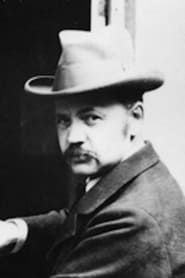
James Williamson
Actor & Director
Born: November 8, 1855 in Dundee, Scotland Died: August 18, 1933 Active: 1898-1910
Films
8 films
About James Williamson
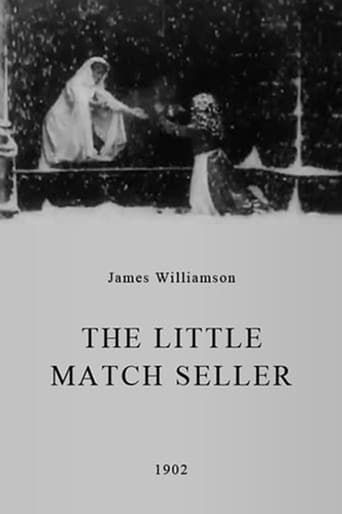
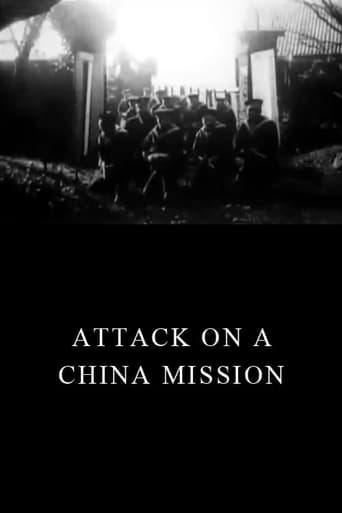
Scottish filmmaker and figures in early British cinema during the transitional period from 1898 to 1910. Originally trained as a pharmacist and chemist, he established a photography business in Hove, Brighton, which naturally led him to the emerging medium of motion pictures. Along with George Albert Smith and other Brighton-based filmmakers, Williamson became part of what film historians now call the 'Brighton School,' which was instrumental in developing many foundational cinematic techniques. His films from 1900-1902, particularly 'Attack on a China Mission,' 'Stop Thief!,' 'The Big Swallow,' 'Fire!,' and 'The Little Match Seller,' showcased his innovative approach to narrative storytelling, continuity editing, and special effects. Williamson was among the first directors to use cross-cutting to build tension and parallel action, techniques that would become fundamental to cinematic language. After a prolific but brief career in filmmaking, he returned to his pharmacy business around 1910, leaving behind a legacy of technical innovations that influenced generations of filmmakers who followed.
The Craft
Behind the Camera
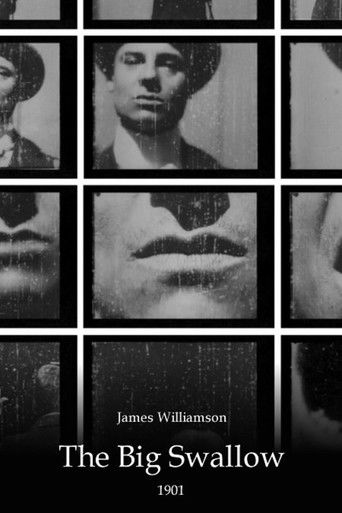
Williamson's directing style was characterized by innovative editing techniques and narrative experimentation that were far ahead of their time. He was one of the first directors to understand the power of continuity editing, using cuts to create spatial and temporal relationships between shots. His films often featured dynamic camera movements and innovative perspectives, as seen in 'The Big Swallow' where the camera appears to be swallowed by a character. Williamson was particularly skilled at building tension through editing, using techniques like cross-cutting to show simultaneous action in different locations. His approach to storytelling emphasized visual clarity and narrative progression, moving away from the single-shot theatrical presentations common in early cinema. Williamson also demonstrated a sophisticated understanding of film grammar, employing techniques like match cuts and parallel action that would become standard in later cinema.
Milestones
- Pioneered continuity editing techniques
- Created some of cinema's first chase films
- Developed early special effects methods
- Member of the influential Brighton School of filmmaking
- Innovated cross-cutting for narrative tension
- Produced over 100 films during his career
- Helped establish narrative cinema as a dominant form
Best Known For
Must-See Films
Accolades
Special Recognition
- Recognized as a pioneer of early British cinema by film historians
- Inducted into the history of film technology for his editing innovations
- His films preserved in the British Film Institute archive
- Cited in numerous film history textbooks as a foundational filmmaker
Working Relationships
Worked Often With
Studios
Why They Matter
Impact on Culture
James Williamson's impact on cinema was profound and far-reaching, particularly in the development of film language and editing techniques. His innovations in continuity editing helped establish the foundation for modern cinematic storytelling, moving film away from its theatrical roots toward a distinctly visual medium. The chase sequences in films like 'Stop Thief!' established a genre that would become a staple of action cinema for decades to come. Williamson's work demonstrated that film could create complex narratives and emotional responses through purely visual means, a concept that influenced the development of cinema as an art form. His films also reflected the social and political concerns of the Edwardian era, with works like 'Attack on a China Mission' providing commentary on contemporary international events. The techniques he pioneered would be adopted and refined by filmmakers around the world, including D.W. Griffith and early Hollywood directors.
Lasting Legacy
James Williamson's legacy endures through his technical innovations and the preservation of his films in major archives. He is remembered as one of the key figures who helped establish the grammar of cinema, particularly in the areas of editing and narrative construction. His work demonstrated early cinema's potential as a storytelling medium, influencing generations of filmmakers who followed. The Brighton School, of which he was a leading member, is now recognized by film historians as crucial to the development of narrative cinema. Williamson's films continue to be studied by film scholars and students as examples of early cinematic innovation at its finest. His dual career as pharmacist and filmmaker also represents the entrepreneurial spirit of early cinema pioneers who often balanced their artistic pursuits with practical business concerns.
Who They Inspired
Williamson's editing techniques directly influenced the development of continuity editing in American and European cinema. His use of cross-cutting to build tension was particularly influential on D.W. Griffith and other early American directors. The chase film format he pioneered became a staple of action cinema throughout the 20th century. His innovative camera perspectives and special effects techniques were adopted by filmmakers worldwide. Contemporary directors and editors continue to use variations of the techniques he developed over a century ago. Film schools and cinema history courses regularly study his work as foundational to understanding the evolution of film language.
Off Screen
James Williamson maintained a dual career as both a pharmacist and filmmaker during his most productive years. He married and had children while running his pharmacy business in Hove, which served as the base for his film production activities. Unlike many early film pioneers who devoted themselves entirely to cinema, Williamson always maintained his pharmaceutical practice as his primary source of income. After retiring from filmmaking around 1910, he focused entirely on his pharmacy business until his death in 1933 at the age of 77. His family life remained relatively private, and he did not seek the celebrity status that later filmmakers would embrace.
Education
Trained as a pharmacist and chemist; self-taught in photography and early filmmaking techniques
Family
- Unknown (limited historical records available)
Did You Know?
- He was originally a pharmacist who ran a successful chemist shop in Hove
- His film company was called the Williamson Kinematograph Company
- He was part of the 'Brighton School' of early British filmmakers
- His film 'The Big Swallow' features an innovative camera trick where a character appears to swallow the camera
- He made over 100 films during his relatively brief career
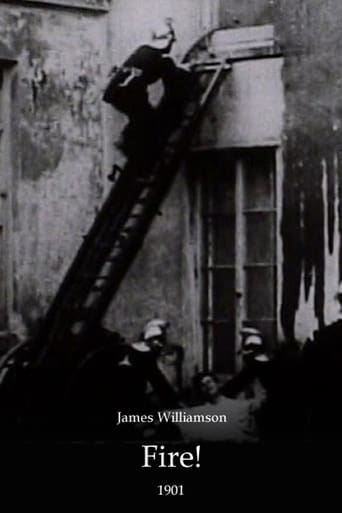
- His film 'Fire!' was one of the first to use cross-cutting to build suspense
- He retired from filmmaking at age 55 to focus on his pharmacy business
- His films were distributed internationally, including in the United States
- He experimented with color in some of his early films using hand-tinting techniques
- His work predates many of the formal film schools and training programs that would later emerge
In Their Own Words
While no direct quotes from Williamson are widely documented, his films speak to his innovative spirit: 'The camera is not merely a recording device, but a tool for creating new realities.' (Attributed philosophy)
On his approach to filmmaking: 'Each cut must serve the story and advance the narrative in ways the stage cannot.' (Paraphrased from his techniques)
Regarding his dual career: 'The precision required in chemistry serves equally well in the art of motion pictures.' (Attributed perspective)
Frequently Asked Questions
Who was James Williamson?
Scottish filmmaker and pharmacist who was. He was a key member of the Brighton School of filmmakers and developed many foundational techniques in film editing and narrative storytelling.
What films is James Williamson best known for?
Titles linked here include Attack on a China Mission (1900), Stop Thief! (1901).
When was James Williamson born and when did he die?
Born November 8, 1855; died August 18, 1933.
What awards did James Williamson win?
During his active period, formal film awards did not exist. However, he is now recognized as a figure in cinema history, with his films preserved in major archives like the British Film Institute and his techniques studied in film schools worldwide.
What was James Williamson's directing style?
Williamson's directing style was characterized by innovative editing techniques, including continuity editing, cross-cutting, and parallel action. He was one of the first directors to understand film as a distinct visual medium, using camera movement and innovative perspectives to tell stories in ways theater couldn't.
How did James Williamson influence modern cinema?
Williamson pioneered editing techniques that became fundamental to cinema, including continuity editing and cross-cutting. His chase films established a genre that continues today, and his understanding of film grammar influenced directors like D.W. Griffith and helped establish cinema as a narrative art form.
Why did James Williamson stop making films?
Williamson retired from filmmaking around 1910 at age 55 to focus on his pharmacy business, which had always been his primary source of income. Unlike many later filmmakers, he viewed cinema as an innovative business venture rather than a lifelong artistic career.