Films
3 films

About Marie Walcamp
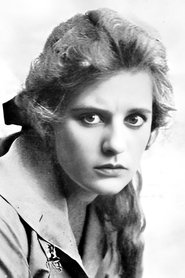
American silent-era actress: screen career was concentrated in the 1910s and early 1920s, a period when Hollywood was still defining the vocabulary of feature filmmaking. She is best remembered today for appearing in socially conscious melodramas and prestige productions such as D. W. Griffith's Where Are My Children? (1916) and Lois Weber's The Blot (1921), both films that reflect the era's interest in moral conflict, class tension, and reform-minded storytelling. Like many performers of the silent period, her work depended on expressive physical acting, close attention to gesture, and the ability to communicate emotion without spoken dialogue. Her surviving film record suggests that she worked steadily during a brief but important window in early American cinema, contributing to productions that are now valued for their historical significance as much as for their performances. Because silent-film documentation is often incomplete, much of her personal life remains obscure, and her later life is less well recorded than that of major studio stars. Even so, her presence in landmark films by prominent directors places her within the larger history of women performers who helped shape the silent screen. Marie Walcamp remains a noteworthy name for scholars and enthusiasts who trace the careers of lesser-known actresses in classic cinema.
The Craft
On Screen
As a silent-era actress, Marie Walcamp's acting style would have relied on expressive facial work, clear physical gesture, and highly legible emotional reactions suited to intertitles and visual storytelling. Her surviving film associations suggest she was capable of playing in serious, issue-driven dramas rather than only lightweight entertainment, indicating a screen presence suited to moral conflict and emotional intensity. Like many performers in the period, her technique would have needed to remain restrained enough for the camera while still projecting clearly in a wordless medium. Specific surviving critical descriptions of her individual performances are limited, but her casting in notable dramas implies competence in the naturalistic yet heightened style typical of mid-silent-era acting.
Milestones
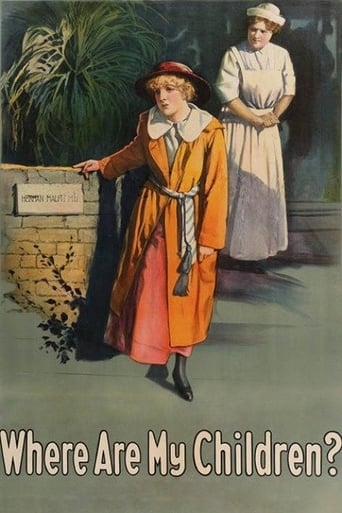
- Appeared in D. W. Griffith's socially significant silent drama Where Are My Children? (1916)
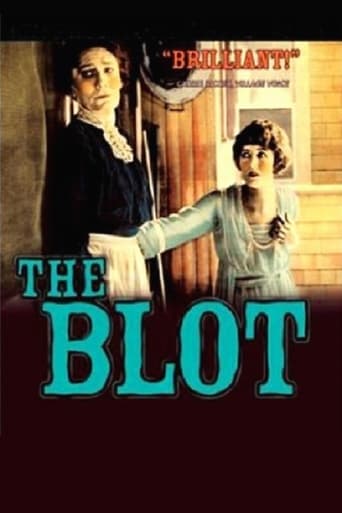
- Acted in Lois Weber's The Blot (1921),
- Worked during a formative period of American feature filmmaking, when silent acting styles and narrative conventions were rapidly evolving
- Built a screen résumé that places her among the working actresses of the silent era who contributed to important feature productions
- Associated with films that are now studied for their treatment of morality, family, class, and social issues
Best Known For
Iconic Roles
Must-See Films
Working Relationships
Worked Often With
Why They Matter
Impact on Culture
Marie Walcamp's cultural importance lies less in personal fame than in her participation in films that helped define the social-problem drama of the silent era. Where Are My Children? and The Blot are both important titles in discussions of reform cinema, censorship, class conflict, and the evolution of feature-length American storytelling, so her credit in these productions links her to major developments in early film history. Her career illustrates how many silent-era actresses contributed to landmark films without becoming enduring household names. In that sense, she represents the wider body of working performers whose labor made the classical Hollywood canon possible and whose careers are now reconstructed through surviving filmographies and archival records.
Lasting Legacy
Marie Walcamp's legacy is tied to the preservation and study of early silent cinema rather than to celebrity status. Her filmography places her in the company of influential directors and socially significant productions, which gives her continuing relevance for historians examining the artistic and cultural currents of the 1910s and early 1920s. As more silent films are restored and researched, performers like Walcamp gain recognition as essential participants in the medium's formative years. Her career is also a reminder that film history is built not only by stars and auteurs but by many lesser-known actors whose work survives in fragmentary but meaningful form.
Who They Inspired
There is no strong evidence that Marie Walcamp directly mentored later performers, but her work contributed to the acting traditions and screen conventions of silent cinema. By appearing in serious dramas with major filmmakers, she participated in the development of performance styles that balanced theatrical clarity with increasingly cinematic subtlety. Her influence is therefore indirect and historical: she is part of the generation whose on-screen practices helped shape the silent-film acting model later studied by scholars, revival audiences, and contemporary actors interested in early screen technique.
Off Screen
Very little reliably documented information survives about Marie Walcamp's personal life, which is common for many performers from the silent era whose careers did not extend into the heavily publicized studio system of later decades. Available mainstream film references generally focus on her screen appearances rather than marriages, family background, or post-film career. Because sources are sparse, details such as her upbringing, private relationships, and later life cannot be stated confidently without risking inaccuracy. She appears in historical film records primarily as a working actress rather than as a celebrity whose off-screen life was widely publicized.
Did You Know?
- Marie Walcamp is best known today for two major silent films rather than for a long list of surviving star vehicles.
- She appeared in Where Are My Children? (1916), a controversial and influential film dealing with birth control and morality.
- She also appeared in The Blot (1921), a noted Lois Weber feature about class differences and social conscience.
- Her known career window, based on the filmography provided, is relatively brief: 1916 to 1921.
- She is one of many silent-era performers whose personal details are difficult to verify because studio publicity and archival records were incomplete or inconsistently preserved.
- Her film associations place her in the orbit of two of the most important filmmakers of early American cinema, D. W. Griffith and Lois Weber.
- Unlike many later stars, she does not appear to have an extensive award record, which is unsurprising for a performer active in the silent era before many modern award systems existed.
Frequently Asked Questions
Who was Marie Walcamp?
American silent-film actress active in the 1910s and early 1920s. She is best known for appearing in important early feature films such as Where Are My Children? and The Blot.
What films is Marie Walcamp best known for?
Titles linked here include Where Are My Children? (1916), The Blot (1921).
When was Marie Walcamp born and when did she die?
Reliable birth and death dates are not readily confirmed in standard accessible references, so they should be treated as unknown unless verified by archival research. The same is true of her birthplace.
What awards did Marie Walcamp win?
No awards or nominations are reliably documented for Marie Walcamp in the available classic-cinema references. This is not unusual for silent-era performers, many of whom worked before the modern awards culture became established.
What was Marie Walcamp's acting style?
As a silent-era performer, her acting would have depended on expressive gesture, facial expression, and physically clear emotional communication. Her roles in serious dramas suggest a style suited to restrained but readable performances in issue-driven films.
What is Marie Walcamp's legacy in film history?
Her legacy is as part of the working body of silent-era actors who appeared in landmark films and helped shape early American cinema. Even though she was not a major star, her credits connect her to some of the period's most important social dramas.