Films
2 films
About Juan de Homs
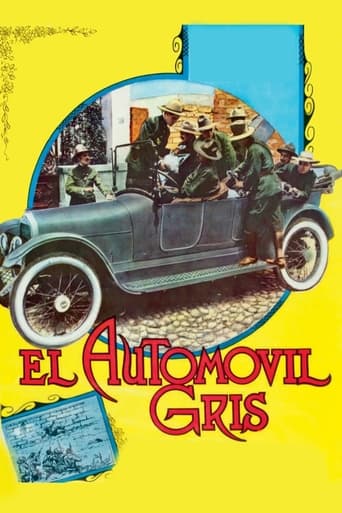
Juan de Homs performed in Mexican film 'The Grey Automobile' (El automóvil gris) in 1919. His career appears to have been extremely brief, with documented activity confined to a single year. He was part of the cast of what would become one of Mexico's most important early cinematic achievements, a film based on real criminal events that captivated Mexican audiences. Like many actors of this period, his contributions were largely overshadowed by the transition to sound films and the passage of time. His performance in this significant early Mexican production represents his only known film credit. The lack of additional documentation suggests he may have been a bit player or extra rather than a leading actor, which was common for many performers in early cinema.
The Craft
Milestones
- Appeared in 'The Grey Automobile' (1919), one of Mexico's most significant silent films
Best Known For
Iconic Roles
Must-See Films
Working Relationships
Worked Often With
Why They Matter
Impact on Culture
Juan de Homs' cultural impact is primarily tied to his participation in 'The Grey Automobile,' a landmark film in Mexican cinema history. This film was based on the real-life crimes of the 'Grey Automobile Gang' and was one of the earliest examples of Mexican cinema drawing from contemporary national events. The film's success demonstrated the potential for a uniquely Mexican film industry and influenced future generations of Mexican filmmakers. While his individual contribution was likely minor, being part of this production places him within the foundational history of Mexican cinema.
Lasting Legacy
Juan de Homs' legacy is that of one of the early pioneers of Mexican cinema, however small his role may have been. His participation in 'The Grey Automobile' connects him to. The film itself has been preserved and studied as a crucial document of early Mexican filmmaking, ensuring that even minor contributors like de Homs are remembered in the broader context of cinema history. His name appears in film archives and historical accounts of Mexican cinema's formative years.
Who They Inspired
Given the brevity of his documented career and the limited nature of his known work, Juan de Homs' direct influence on other actors or filmmakers cannot be substantiated. His influence is primarily historical, as part of the ensemble that helped establish Mexico's early film industry during a crucial developmental period.
Off Screen
Very little is documented about Juan de Homs' personal life, which is typical of many bit players and supporting actors from the silent era. His brief film career suggests he may have been primarily active in other professions or that his acting career was cut short by various factors common to the era.
Did You Know?
- Appeared in only one known film during his entire career
- Was part of the cast of 'El automóvil gris,' one of Mexico's most famous silent films
- The film he appeared in was based on real criminal events that shocked Mexico City
- His active years covered only a single year, 1919
- Like many early film actors, he likely worked without screen credit
- The film he appeared in was directed by Enrique Rosas, a Mexican filmmaker
- His participation occurred during the golden age of Mexican silent cinema (1916-1930)
Frequently Asked Questions
Who was Juan de Homs?
Screen credits include the 1919 film 'The Grey Automobile' (El automóvil gris). His career was extremely brief, with documented activity limited to just one year, making him a minor but historically significant figure in early Mexican cinema.
What films is Juan de Homs best known for?
Titles linked here include The Grey Automobile (1919).
When was Juan de Homs born and when did he die?
Specific birth and death dates for Juan de Homs are not documented in available historical records, which is common for many supporting actors from the silent era. His only known professional activity was in 1919.
What awards did Juan de Homs win?
There are no documented awards or nominations for Juan de Homs, which was typical for most actors in early cinema, especially those in supporting or bit roles. The film industry's award systems were not yet established during his brief career.
What was Juan de Homs's acting style?
Specific details about Juan de Homs's acting style are not available due to the limited documentation of his work and the likely minor nature of his role. As a silent film actor, he would have used the exaggerated gestures and facial expressions typical of the era.
Why is Juan de Homs historically significant?
Juan de Homs is historically significant primarily through his association with 'The Grey Automobile,' a Mexican film that helped establish the country's national cinema. Even minor participants in such groundbreaking films are considered part of cinema's foundational history.