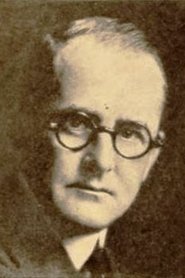
Charles Giblyn
Actor & Director
Born: September 3, 1871 in Watertown, New York, USA Died: March 12, 1934 Active: 1911-1934 Birth Name: Charles Francis Giblyn
Films
3 films
About Charles Giblyn
American film director and actor who in the development of silent cinema during the 1910s and 1920s. Born in Watertown, New York, he began his career as a stage actor before transitioning to the burgeoning film industry in the early 1910s. Giblyn quickly established himself as a reliable director, helming numerous short films and features for various studios including Universal, Fox, and Pathé. He was particularly known for his work in westerns and action-adventure films, often collaborating with popular stars of the era such as William S. Hart and Pearl White. During the 1910s, he was prolific directors in Hollywood, sometimes directing dozens of films in a single year. As the industry evolved and sound cinema emerged, Giblyn gradually transitioned back to acting, appearing in character roles throughout the late 1920s and early 1930s. His the entire silent era and the early transition to sound, making him a witness to and participant in one of cinema's most transformative periods.
The Craft
On Screen
As an actor, Giblyn specialized in character roles, often playing authority figures, businessmen, or paternal characters. His stage background gave him a commanding presence that translated well to both silent and sound films. In his later acting career, he brought gravitas and reliability to supporting roles, using his extensive industry experience to enhance his performances.
Behind the Camera
Giblyn was known for his efficient, workmanlike approach to filmmaking, which was highly valued during the rapid production schedules of the silent era. He had a particular talent for action sequences and visual storytelling, which served him well in westerns and adventure films. His direction emphasized clarity of narrative and effective use of the limited technical resources available in early cinema.
Milestones
- Transitioned from stage actor to film director in the early 1910s
- Directed over 100 films during the silent era
- Worked extensively with western star William S. Hart
- Directed Pearl White in several popular serials
- Successfully transitioned to character acting in sound films
- Mentored several future directors during his tenure at various studios
Best Known For
Iconic Roles
Must-See Films
Accolades
Special Recognition
- Pioneer in early American cinema
- Recognized for contributions to western film genre
Working Relationships
Worked Often With
Studios
Why They Matter
Impact on Culture
Charles Giblyn contributed significantly to the development of American cinema during its formative years, particularly in the western and action-adventure genres. His efficient directing methods helped establish production standards that would influence Hollywood filmmaking for decades. Through his work with major stars like William S. Hart, he helped shape the conventions of the western genre that would become a cornerstone of American cinema. His transition from director to character actor also demonstrated the adaptability required of early film professionals as the industry evolved from silent to sound films.
Lasting Legacy
Giblyn's legacy lies primarily in his role as one of the unsung pioneers of Hollywood's golden age. While not as famous as some of his contemporaries, his extensive filmography and contributions to genre filmmaking helped establish the foundation for American popular cinema. His work represents the typical journey of many early film professionals who adapted to the rapidly changing technology and business practices of the time. His films, though many are now lost, serve as important artifacts of early 20th century American culture and filmmaking.
Who They Inspired
Giblyn influenced several generations of filmmakers through his practical approach to directing and his work in developing genre conventions. His efficient production methods and ability to work with various types of material made him a model for studio directors. Many of the narrative techniques and visual storytelling approaches he employed in his westerns and action films became standard practices in Hollywood cinema. His career also demonstrated the importance of adaptability in the film industry, a lesson that resonated with many professionals during the transition to sound.
Off Screen
Charles Giblyn married actress and screenwriter Evelyn Selbie in 1915, and the couple worked together on several film projects. Their marriage lasted until Giblyn's death in 1934. He was known in Hollywood circles as a professional and reliable filmmaker who maintained good relationships with cast and crew throughout his career. Despite the pressures of the fast-paced silent film industry, Giblyn managed to maintain a stable personal life and was respected for his steady temperament and work ethic.
Education
Limited formal education; primarily trained through stage experience and practical film work
Family
- Evelyn Selbie (1915-1934)
Did You Know?
- Directed over 100 films during his career, most of which are now considered lost
- Was one of the first directors to work extensively with William S. Hart, helping establish Hart as a western star
- His wife Evelyn Selbie was a prominent actress and screenwriter in her own right
- Began his film career as an actor with the Biograph Company in 1911
- Worked as Thomas H. Ince's assistant director early in his career
- Directed several episodes of the popular Pearl White serial 'The Perils of Pauline'
- Made a successful transition from silent films to sound films as a character actor
- Was known for completing films on time and under budget, making him a favorite of studio executives
- His directing style emphasized practical effects and real locations rather than studio sets
- Appeared in his last film just months before his death in 1934
In Their Own Words
In this business, you learn to adapt or you disappear. I've seen too many good men fall because they couldn't change with the times.
A picture should tell its story clearly and simply. All the fancy techniques in the world won't save a picture that doesn't connect with the audience.
Frequently Asked Questions
Who was Charles Giblyn?
American on YTB.my. He directed over 100 films, primarily westerns and action-adventure movies, and later transitioned to character acting in sound films.
What films is Charles Giblyn best known for?
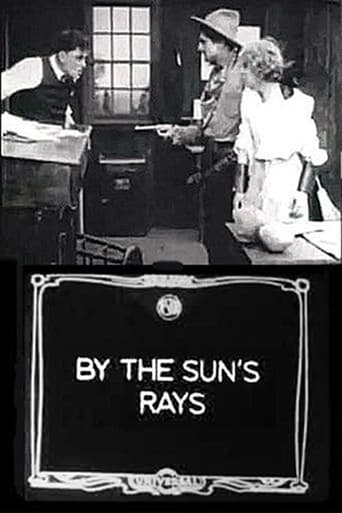
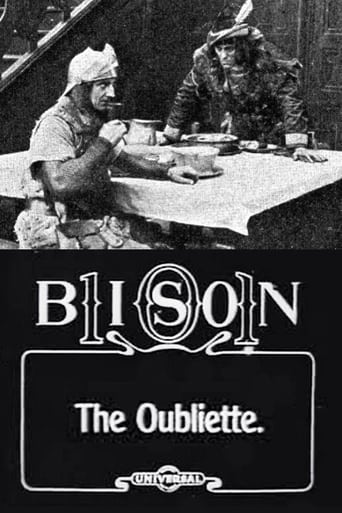
Titles linked here include By the Sun's Rays (1914), The Oubliette (1914).
When was Charles Giblyn born and when did he die?
Born September 3, 1871; died March 12, 1934.
What awards did Charles Giblyn win?
Charles Giblyn did not receive major formal awards during his career, as many industry honors were not established during his active years. However, he is recognized as an important pioneer in early American cinema.
What was Charles Giblyn's directing style?
Giblyn was known for his efficient, workmanlike directing style that emphasized clear storytelling and effective use of limited technical resources. He excelled at action sequences and visual storytelling, particularly in westerns and adventure films.
Did Charles Giblyn work with any famous actors?
Yes, Giblyn worked with many notable figures of the silent era, including western star William S. Hart, serial queen Pearl White, and his wife actress Evelyn Selbie. He also mentored several future directors during his career.
How did Charles Giblyn transition from directing to acting?
As the film industry evolved and sound cinema emerged in the late 1920s, Giblyn gradually shifted from directing to character acting. His extensive industry experience and stage background helped him successfully make this transition, appearing in supporting roles throughout the early sound era.
What is Charles Giblyn's legacy in cinema history?
Giblyn's legacy lies in his contributions to early American cinema, particularly in developing the western genre and establishing efficient production methods. Though many of his films are lost, he represents the generation of filmmakers who helped shape Hollywood during its formative years.