
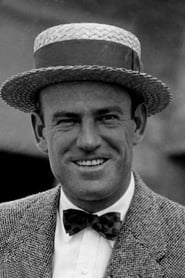
Sam Wood
Actor & Director
Born: July 10, 1883 in Philadelphia, Pennsylvania, USA Died: September 22, 1949 Active: 1917-1949 Birth Name: Samuel Grosvenor Wood
Films
8 films


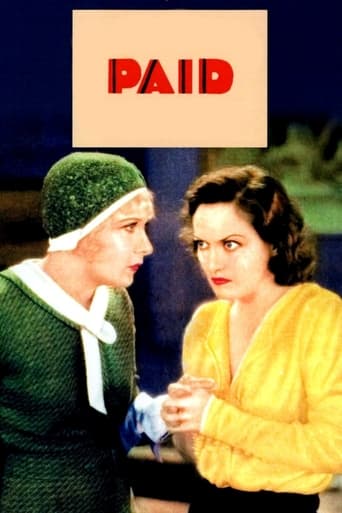
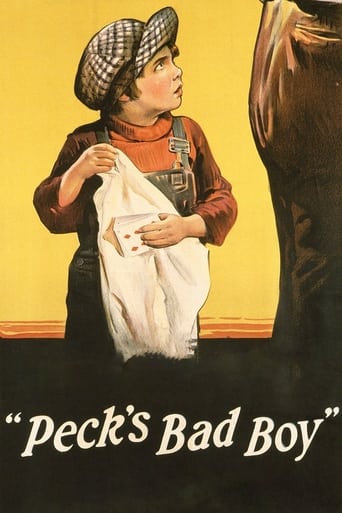
About Sam Wood
Samuel Grosvenor Wood — prolific American film director who began his career as an actor in silent films before transitioning to become one of Hollywood's most reliable and versatile directors during the Golden Age. Starting as an actor in Cecil B. DeMille's company in 1917, Wood quickly moved behind the camera, directing his first film 'Excuse My Dust' in 1920. Throughout the 1920s, he established himself as a competent director of silent films, working with major stars like Gloria Swanson in 'Beyond the Rocks' and Marion Davies. Wood successfully navigated the transition to sound films, demonstrating remarkable adaptability across genres from romantic comedies to serious dramas. His career peaked in the late 1930s and early 1940s when he directed several Academy Award-nominated films including 'Goodbye, Mr. Chips' (1939), 'Our Town' (1940), 'Kings Row' (1942), and 'The Pride of the Yankees' (1942). Wood was known for his efficiency and professionalism, often completing films on schedule and within budget, making him a favorite of studio executives. His later years were marked by his involvement in anti-communist politics in Hollywood, serving as president of the Motion Picture Alliance for the Preservation of American Ideals. Wood died suddenly of a heart attack in 1949 while planning his next film, leaving behind a legacy of over 80 directed films that spanned virtually every popular genre of his era.
The Craft
On Screen
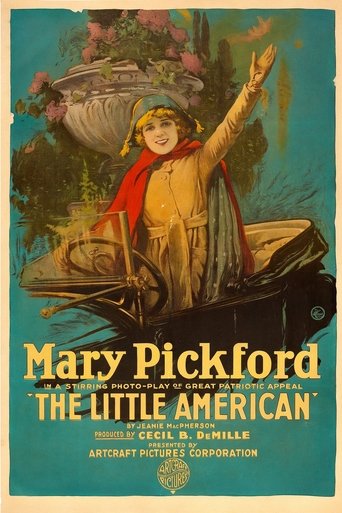
Wood's acting career was brief and primarily in the silent era, where he appeared in supporting roles in films like 'The Little American' (1917). His acting style was typical of the period, emphasizing broad gestures and expressive facial work suitable for silent film communication.
Behind the Camera
Sam Wood was known for his efficient, no-nonsense directing style that prioritized clarity and storytelling over technical experimentation. He was a studio director par excellence, capable of working across multiple genres while maintaining consistent quality and reliability. Wood's approach was actor-friendly, allowing performers room to shine while keeping productions on schedule. He had particular skill with comedy, as evidenced by his successful collaborations with the Marx Brothers, but also demonstrated a deft touch with dramatic material and literary adaptations.
Milestones
- Transitioned from actor to successful director in 1920
- Directed Greta Garbo in 'The Temptress' (1926)
- Helmed Marx Brothers classics 'A Night at the Opera' (1935) and 'A Day at the Races' (1937)
- Received Academy Award nominations for 'Goodbye, Mr. Chips' (1939), 'Our Town' (1940), 'Kings Row' (1942), and 'For Whom the Bell Tolls' (1943)
- Served as president of the Screen Directors Guild
- Directed the baseball classic 'The Pride of the Yankees' (1942)
Best Known For
Iconic Roles
Must-See Films
Accolades
Won
- New York Film Critics Circle Award for Best Director (1939) for 'Goodbye, Mr. Chips'
Nominated
- Academy Award for Best Director (1939) for 'Goodbye, Mr. Chips'
- Academy Award for Best Director (1940) for 'Our Town'
- Academy Award for Best Director (1942) for 'Kings Row'
- Academy Award for Best Director (1943) for 'For Whom the Bell Tolls'
Special Recognition
- Star on the Hollywood Walk of Fame (located at 6714 Hollywood Blvd)
- President of the Screen Directors Guild (1937-1939, 1941-1943)
- President of the Motion Picture Alliance for the Preservation of American Ideals
Working Relationships
Worked Often With
Studios
Why They Matter
Impact on Culture
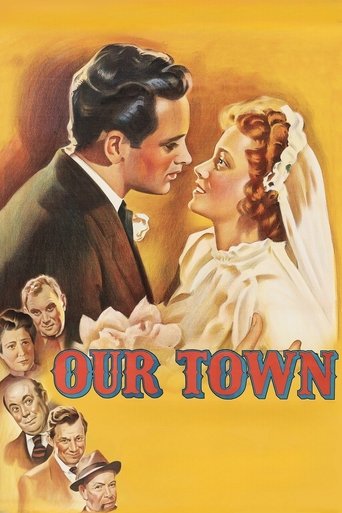
Sam Wood's impact on American cinema was significant through his sheer volume of work and his ability to adapt to changing technologies and audience tastes across three decades. His films helped define the studio system era, providing reliable entertainment that reflected and shaped American values during the Golden Age. Wood's direction of 'Our Town' brought Thornton Wilder's classic play to mainstream audiences, while 'The Pride of the Yankees' cemented the sports biopic as a respected genre. His work with the Marx Brothers helped establish their comedic legacy in American cinema. Wood's anti-communist activism also contributed to the political climate of Hollywood during the Red Scare, making him a controversial but influential figure in the industry's political landscape.
Lasting Legacy
Sam Wood's legacy endures through his diverse filmography that includes some of Hollywood's most beloved classics. His four Academy Award nominations for Best Director place him among the most recognized directors of his era. Wood's ability to work successfully across genres—from comedy to drama to literary adaptations—demonstrates the versatility that defined studio-era directors. His films continue to be studied and appreciated, with 'Our Town' and 'The Pride of the Yankees' remaining particularly influential. Wood's career represents the archetype of the reliable studio director who could deliver quality entertainment consistently while navigating the complex political and artistic demands of Golden Age Hollywood.
Who They Inspired
Wood influenced generations of directors through his efficient, actor-friendly approach to filmmaking and his demonstrated ability to handle multiple genres successfully. His work on literary adaptations like 'Our Town' and 'For Whom the Bell Tolls' showed how complex source material could be made accessible to mainstream audiences. Wood's political activism, while controversial, also influenced the industry's political dynamics during a crucial period. His son, Sam Wood Jr., continued the family legacy in film, and Wood's methods of studio management and directorial efficiency became standard practices within the Hollywood system.
Off Screen
Sam Wood was married to Eleanor L. Wood from 1911 until his death in 1949. The couple had two children, Jean Wood and Sam Wood Jr., who followed his father into the film industry as an assistant director. Wood was known for his conservative political views and became increasingly involved in anti-communist activities in Hollywood during the 1940s. He was a dedicated family man who maintained a stable personal life despite the turbulence of Hollywood. Wood — avid sports enthusiast, particularly fond of baseball, which influenced his decision to direct 'The Pride of the Yankees'. He died suddenly of a heart attack at his home in Hollywood at the age of 66.
Education
Limited formal education; left school early to work in various jobs before entering the film industry
Family
- Eleanor L. Wood (1911-1949)
Did You Know?
- Began his film career as an actor in Cecil B. DeMille's company
- Directed over 80 films during his 30-year directing career
- Was one of the few directors to successfully transition from silent films to talkies
- Testified as a friendly witness before the House Un-American Activities Committee
- Directed the first film adaptation of Thornton Wilder's 'Our Town'
- Was a founding member of the Motion Picture Alliance for the Preservation of American Ideals
- His film 'Beyond the Rocks' (1922) was considered lost for decades before a single copy was discovered in the Netherlands in 2003
- Often worked with cinematographer Harry Stradling Sr.
- Was known for completing films on time and under budget
- Died while preparing to direct 'The Happy Years' (which was completed by William A. Wellman)
In Their Own Words
I'm not a genius. I'm a workman. I've been a workman all my life.
The director's job is to get the best performance out of his actors, not to show how clever he is.
A picture should be made for the audience, not for the critics.
I don't make art. I make entertainment.
The secret to directing is knowing what you want and getting it efficiently.
Frequently Asked Questions
Who was Sam Wood?
Prolific American on YTB.my. He was known for his versatility across genres and received four Academy Award nominations for Best Director.
What films is Sam Wood best known for?
Titles linked here include Our Town (1940), The Pride of the Yankees (1942).
When was Sam Wood born and when did he die?
Born July 10, 1883; died September 22, 1949.
What awards did Sam Wood win?
Wood received four Academy Award nominations for Best Director and won the New York Film Critics Circle Award for Best Director in 1939 for 'Goodbye, Mr. Chips'. He also received a star on the Hollywood Walk of Fame.
What was Sam Wood's directing style?
Wood was known for his efficient, professional directing style that prioritized clear storytelling and actor performances over technical experimentation. He was a versatile studio director who could work successfully across multiple genres while maintaining consistent quality and reliability.
Did Sam Wood start as an actor?
Yes, Wood began his film career as an actor in silent films, appearing in movies like 'The Little American' (1917) before transitioning to directing with 'Excuse My Dust' in 1920.
What was Sam Wood's role in Hollywood politics?
Wood — prominent conservative figure in Hollywood politics, serving as president of the Motion Picture Alliance for the Preservation of American Ideals and testifying before the House Un-American Activities Committee during the anti-communist period of the 1940s.