No Poster
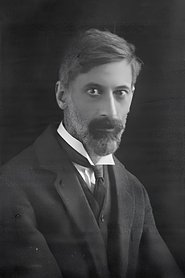
Robert W. Paul
Director
Born: October 3, 1869 in London, England Died: March 28, 1943 Active: 1896-1910 Birth Name: Robert William Paul
Films
8 films
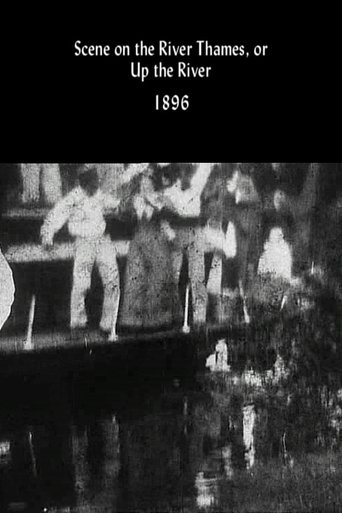
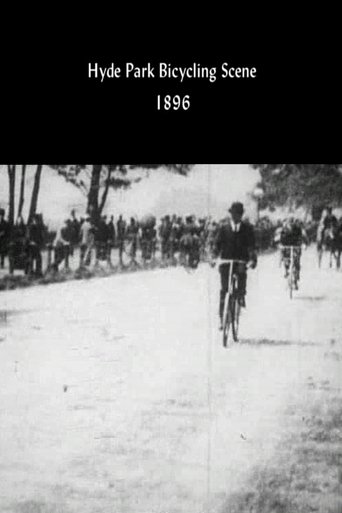
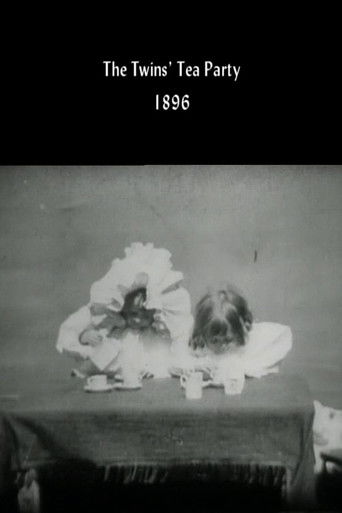
About Robert W. Paul
British filmmaker and inventor who in the development of early cinema during its nascent years. He began his career as an electrical engineer and instrument maker before transitioning to film production after being commissioned to replicate Thomas Edison's Kinetoscope for the British market in 1894. Paul established Britain's first film studio at Muswell Hill in 1898, producing hundreds of short films between 1896 and 1910 that showcased remarkable technical innovation and creative storytelling. His technical contributions included developing the first British 35mm camera and projector systems, as well as early special effects techniques and editing methods. Paul's films covered diverse subjects from actualities and newsreels to comedies and trick films, demonstrating versatility that was exceptional for cinema's infancy. He retired from film production in 1910 to focus on his successful electrical engineering business, leaving behind a significant legacy as one of Britain's most important early cinema pioneers whose innovations helped shape the future of filmmaking.
The Craft
Behind the Camera
Paul's directing style was characterized by technical precision and experimental innovation. He approached filmmaking as an engineer, focusing on camera movement, composition, and technical possibilities. His films often featured dynamic camera work for the era, including tracking shots and unusual angles. Paul was particularly skilled at creating narrative continuity in his short films and was among the first to use editing techniques to create dramatic effect. His directing emphasized visual storytelling over dialogue, as was typical of the silent era, but with a particular emphasis on technical spectacle and innovation.
Milestones
- Developed Britain's first film camera and projector system (1895)
- Established first British film studio at Muswell Hill (1898)
- Produced over 200 short films during his career
- Pioneered early special effects and editing techniques
- Created the first British film newsreel series
- Innovated early multi-camera filming techniques
Best Known For
Must-See Films
Accolades
Special Recognition
- Recognized as one of the founding fathers of British cinema
- Inducted into the History of Early Cinema Hall of Fame
- Featured in British Film Institute's retrospective on early cinema pioneers
Working Relationships
Worked Often With
Studios
Why They Matter
Impact on Culture
Robert W. Paul's impact on cinema was profound and far-reaching, particularly in Britain where he essentially established the foundation for the national film industry. His technical innovations, including the development of the first British 35mm camera and projector systems, made cinema accessible to British audiences and entrepreneurs. Paul's establishment of the first dedicated film studio in Britain at Muswell Hill created a model for future film production facilities. His films, particularly newsreels and actualities, helped establish cinema as a medium for documenting contemporary life, while his narrative experiments demonstrated film's potential for storytelling. Paul's work bridged the gap between cinema as a technological novelty and cinema as an art form, influencing countless filmmakers who followed.
Lasting Legacy
Robert W. Paul's legacy endures as. He is remembered not only as a filmmaker but as a technological pioneer whose inventions made cinema possible for generations of British filmmakers. His studio at Muswell Hill set a precedent for professional film production that would be replicated throughout the world. Paul's techniques in camera movement, editing, and special effects influenced the development of cinematic language. Today, film historians recognize Paul as a crucial figure who helped establish cinema as both an industry and an art form. His films are preserved and studied by archives worldwide as examples of early cinematic innovation and creativity.
Who They Inspired
Paul's influence extended across multiple generations of filmmakers, particularly in Britain where his technical innovations became the foundation for the national film industry. His development of reliable camera and projector equipment enabled other pioneers like Cecil Hepworth and George Albert Smith to pursue their own filmmaking careers. Paul's experiments with editing techniques and special effects prefigured developments that would become standard in narrative cinema. His approach to combining technical innovation with artistic creativity influenced the way filmmakers would think about the medium's possibilities. Even contemporary filmmakers studying early cinema find inspiration in Paul's resourcefulness and experimental spirit, demonstrating how technical constraints can sometimes fuel artistic innovation.
Off Screen
Robert W. Paul married Ellen Elizabeth Denshaw in 1891, and they had one son together. He maintained a dual career as both an electrical engineer and filmmaker, with his engineering business often funding his film experiments. Paul was known for his methodical approach to both engineering and filmmaking, bringing scientific precision to his artistic endeavors. After retiring from film in 1910, he focused entirely on his successful electrical engineering firm, which continued to operate until his death. He lived in London for most of his life and was respected in both scientific and artistic circles.
Education
Self-taught electrical engineer and instrument maker; no formal film education as cinema did not exist during his formative years
Family
- Ellen Elizabeth Denshaw (1891-1943)
Did You Know?
- Paul initially built film equipment as a side business to his main electrical engineering work
- He was commissioned to build copies of Edison's Kinetoscope without ever seeing the original
- Paul's Animatograph projector was one of the first to show films to British audiences
- His studio at Muswell Hill was the first purpose-built film studio in Britain
- Paul produced over 200 films in just 14 years, an impressive output for the era
- He invented a device for printing film copies that was widely used in early cinema
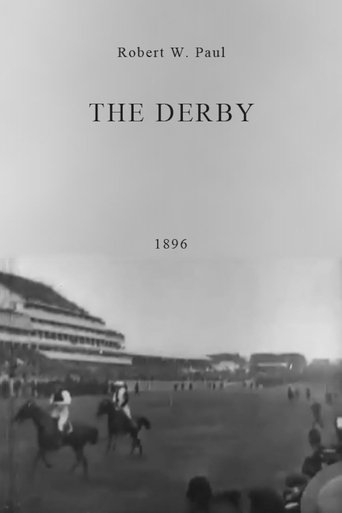
- Paul's film 'The Derby' (1896) is considered one of the first British sports films
- He retired from film at the height of his success to focus on engineering
- Paul's equipment was used by many other early British filmmakers
- His films were among the first to be exported internationally from Britain
In Their Own Words
The cinematograph is not merely a scientific curiosity, but a new art form with unlimited possibilities.
In the moving picture, we have found a way to capture life itself and play it back for the wonder of all.
The future of this invention lies not in showing people what they have seen, but what they have never seen before.
Frequently Asked Questions
Who was Robert W. Paul?
British filmmaker, inventor, and electrical engineer who played a crucial role in the development of early cinema. He developed Britain's first film camera and projector systems, established the first British film studio, and produced over 200 short films between 1896 and 1910, making him.
What films is Robert W. Paul best known for?
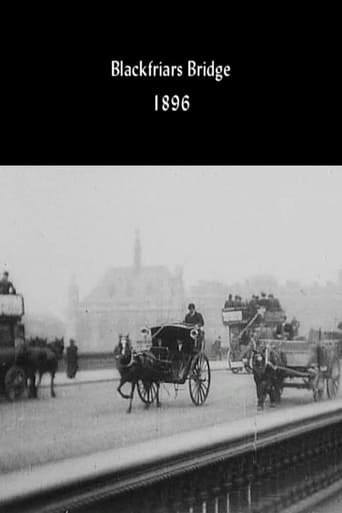
Titles linked here include The Derby (1896), Blackfriars Bridge (1896).
When was Robert W. Paul born and when did he die?
Born October 3, 1869; died March 28, 1943.
What awards did Robert W. Paul win?
During his lifetime, formal film awards did not exist as they do today. However, Paul has been posthumously recognized as one of the founding fathers of British cinema and is featured in retrospectives by institutions like the British Film Institute. His innovations are studied and celebrated by film historians and preservationists worldwide.
What was Robert W. Paul's directing style?
Paul's directing style was characterized by technical precision and experimental innovation. As an engineer-turned-filmmaker, he brought scientific methodology to his art, focusing on camera movement, composition, and technical possibilities. He pioneered early special effects, editing techniques, and was among the first to use multiple cameras, establishing foundational techniques that would become standard in narrative cinema.