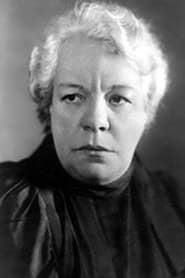
Varvara Massalitinova
Actor
Born: October 22, 1878 in Moscow, Russian Empire Died: October 20, 1945 Active: 1922-1939 Birth Name: Varvara Osipovna Massalitinova
Films
7 films
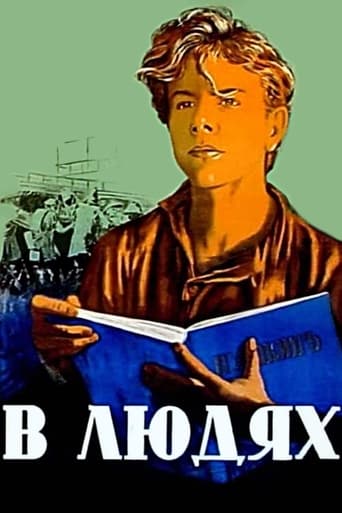
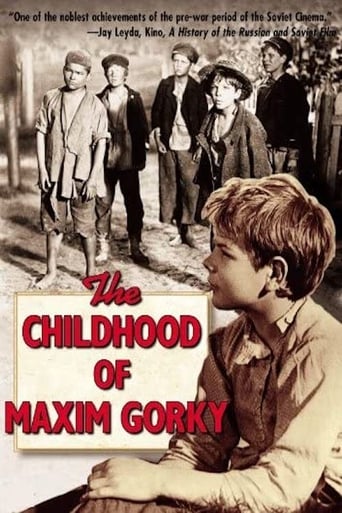
About Varvara Massalitinova
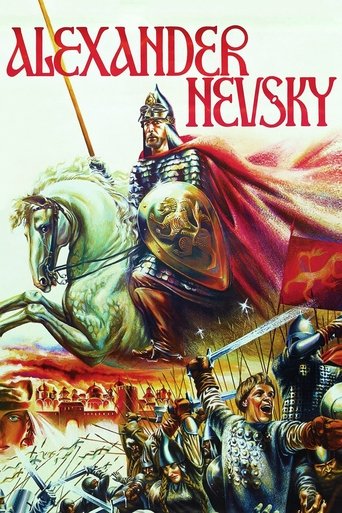
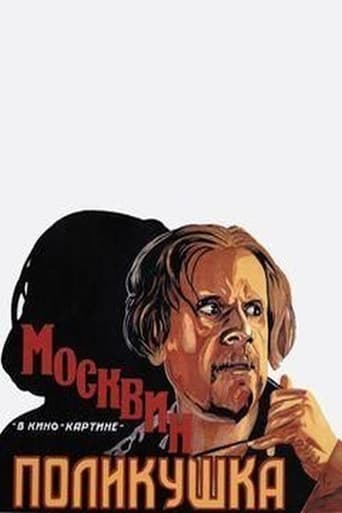
Soviet actress: the crucial transition period from silent cinema to early sound films in the Soviet Union. Beginning her film career in 1922 with 'Polikushka,' she quickly established herself as a versatile character actress capable of portraying both dramatic and maternal roles. Throughout the 1920s and 1930s, she became a familiar face in Soviet cinema, appearing in numerous productions that reflected the cultural and political themes of the era. Her most internationally recognized role came in 1938 when she appeared in Sergei Eisenstein's masterpiece 'Alexander Nevsky,' Soviet films of all time. Massalitinova's performances were characterized by their authenticity and emotional depth, making her particularly effective in portraying traditional Russian characters and matriarchal figures. Her career coincided with the golden age of Soviet cinema, and she worked with some of the most important directors of her time. Her final film appearances were in the late 1930s, marking the end of a significant contribution to Soviet cinematic arts.
The Craft
On Screen
Massalitinova was known for her naturalistic and emotionally resonant performances, particularly excelling in portraying maternal figures and traditional Russian characters. Her acting style reflected the theatrical traditions of pre-revolutionary Russia while adapting to the new demands of cinema. She brought authenticity and depth to her roles, often portraying strong-willed women and matriarchs with remarkable psychological complexity.
Milestones
- Film debut in 'Polikushka' (1922)
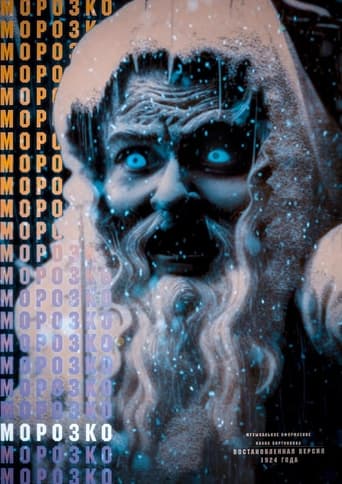
- Key role in 'Morozko' (1924)
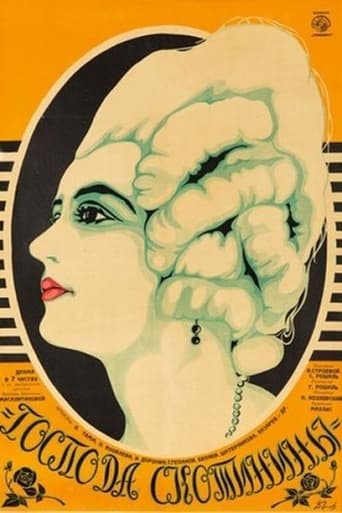
- Performance in 'The Gentlefolks of Skotinin' (1927)
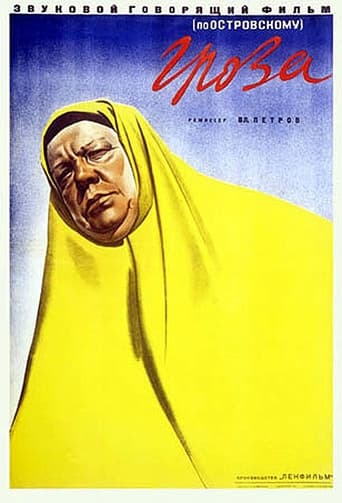
- Memorable role in 'Thunderstorm' (1934)
- Appearance in Eisenstein's 'Alexander Nevsky' (1938)
Best Known For
Iconic Roles
Must-See Films
Accolades
Won
- Honored Artist of the RSFSR (1935)
Special Recognition
- Recognition as a leading character actress in Soviet cinema
- Posthumous acknowledgment for contributions to Soviet film heritage
Working Relationships
Worked Often With
Studios
Why They Matter
Impact on Culture
Varvara Massalitinova contributed significantly to the development of Soviet cinema during its formative years, helping to establish the archetype of the strong Russian mother and matriarch on screen. Her performances in films like 'Alexander Nevsky' helped create visual representations of Russian identity that would influence Soviet cinema for decades. She was part of the generation of actors who successfully transitioned from silent films to talkies, maintaining her artistic integrity while adapting to new technologies. Her work reflected the cultural values and artistic directions promoted by the Soviet state while maintaining a connection to traditional Russian culture.
Lasting Legacy
Massalitinova's legacy endures through her film performances, particularly in classic Soviet films that continue to be studied and appreciated worldwide. She represents an important link between pre-revolutionary Russian theatrical traditions and Soviet cinematic art. Her role in 'Alexander Nevsky' ensures her place in film history as part of. She exemplified the character actress who, while never achieving international stardom, contributed essential depth and authenticity to the films in which she appeared.
Who They Inspired
Massalitinova influenced subsequent generations of Soviet actresses through her naturalistic approach to portraying maternal and traditional female roles. Her ability to convey complex emotions without excessive melodrama set a standard for character acting in Soviet cinema. Younger actors studying her performances learned the importance of subtlety and authenticity in portraying working-class and traditional Russian characters.
Off Screen
Varvara Massalitinova was born into a theatrical family in Moscow and developed an early passion for the performing arts. She married and had children, though specific details about her family life remain limited in historical records. Her life spanned dramatic periods of Russian history, from the final decades of the Russian Empire through the Bolshevik Revolution and the establishment of the Soviet Union. She witnessed and participated in the transformation of Russian culture and cinema during these tumultuous times.
Education
Likely received theatrical training in pre-revolutionary Moscow, though specific educational institutions are not well-documented in available sources
Family
- Unknown - historical records limited
Did You Know?
- Began her film career at the relatively advanced age of 44
- Was part of the first generation of Soviet film actors
- Appeared in films spanning the entire transition from silent to sound cinema in the USSR
- Her most famous film 'Alexander Nevsky' was directed by the legendary Sergei Eisenstein
- The film 'Thunderstorm' (1934) was based on a classic Russian play by Alexander Ostrovsky
- Received the title 'Honored Artist of the RSFSR' in recognition of her contributions
- Her career coincided with Stalin's era of Soviet cinema, which had strict artistic guidelines
- Many of her films are considered classics of Soviet cinema and are preserved in Russian film archives
In Their Own Words
In acting, truth comes not from grand gestures but from understanding the human heart
To portray a Russian mother, one must understand the soul of Russia itself
Frequently Asked Questions
Who was Varvara Massalitinova?
Soviet actress active from 1922-1939, known for her character roles in classic Soviet films including Sergei Eisenstein's 'Alexander Nevsky'. She specialized in portraying maternal figures and traditional Russian characters during the transition from silent to sound cinema in the USSR.
What films is Varvara Massalitinova best known for?
Titles linked here include Alexander Nevsky (1938), Polikushka (1922).
When was Varvara Massalitinova born and when did she die?
Born October 22, 1878; died October 20, 1945.
What awards did Varvara Massalitinova win?
She was named an Honored Artist of the RSFSR in 1935, recognizing her significant contributions to Soviet cinema and the arts.
What was Varvara Massalitinova's acting style?
Massalitinova was known for her naturalistic and emotionally authentic performances, particularly excelling in portraying maternal figures and traditional Russian characters with psychological depth and sincerity.
How did Varvara Massalitinova contribute to Soviet cinema?
She helped establish archetypes of Russian motherhood and matriarchy on screen, successfully transitioned from silent to sound films, and contributed to some of the most important Soviet films of the 1920s and 1930s.
Did Varvara Massalitinova work with famous directors?
Yes, she worked with legendary director Sergei Eisenstein on 'Alexander Nevsky' and collaborated with other prominent Soviet directors of her era, making her a significant figure in Soviet cinematic history.