Films
1 film
About Koji Matsumoto
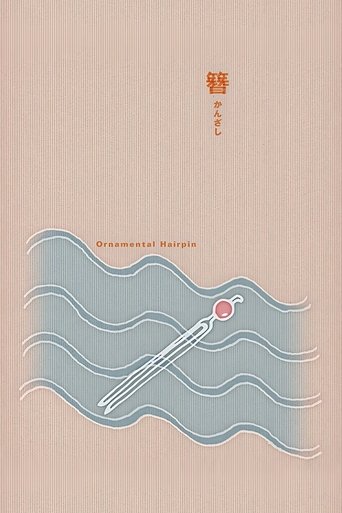
The 1941 film Ornamental Hairpin is the only title linked here for Koji Matsumoto. A period that marked a significant era in Japanese cinema prior to and during World War II. His most notable and only documented film appearance was in 'Ornamental Hairpin' (Kanzashi) in 1941, directed by Hiroshi Shimizu, one of Japan's respected filmmakers of the era. The film itself was a subtle domestic drama that showcased the everyday lives and relationships of ordinary Japanese people, a genre that Shimizu was particularly known for mastering. Matsumoto's brief appearance in this film suggests he may have been a character actor or someone who had a very short career in the film industry, which was not uncommon during this turbulent period in Japanese history. The film industry in Japan during the early 1940s was heavily influenced by government censorship and wartime propaganda, making artistic expression challenging for filmmakers and actors alike. Despite the limited documentation of his career, Matsumoto's participation in this notable Shimizu film places him within the context of classic Japanese cinema's golden age.
The Craft
Milestones
- Appeared in 'Ornamental Hairpin' (1941) directed by Hiroshi Shimizu
Best Known For
Iconic Roles
Must-See Films
Working Relationships
Worked Often With
Why They Matter
Impact on Culture
Koji Matsumoto's contribution to cinema, while limited in scope, is part of the broader tapestry of Japanese film history during a critical period. His appearance in 'Ornamental Hairpin' connects him to the work of director Hiroshi Shimizu, who was known for his humanistic approach to filmmaking and his ability to capture the subtleties of everyday Japanese life. The film itself represents an important example of the shomin-geki (genre films about common people) that was prominent in Japanese cinema during this era. Even minor actors like Matsumoto played crucial roles in creating the authentic atmosphere and social realism that characterized these films, contributing to the preservation of Japanese cultural values and daily life on screen during a time of significant social and political upheaval.
Lasting Legacy
While Koji Matsumoto may not have left an extensive filmography, his legacy is preserved through his participation in 'Ornamental Hairpin,' a film that has been recognized as an important work in Japanese cinema history. The film continues to be studied by film scholars and enthusiasts interested in the work of Hiroshi Shimizu and the evolution of Japanese domestic drama. Matsumoto's appearance, however brief, makes him part of the cinematic record of Japan during the early 1940s, providing future generations with a glimpse into the film industry and artistic expression during this complex historical period.
Who They Inspired
Due to the limited documentation of Koji Matsumoto's career, there is little information available about his direct influence on other actors or filmmakers. However, his participation in a Shimizu film places him within the lineage of actors who contributed to the development of realistic, humanistic cinema in Japan. The style of acting and storytelling in films like 'Ornamental Hairpin' influenced subsequent generations of Japanese filmmakers, including directors who would later gain international recognition.
Off Screen
Very limited information is available about Koji Matsumoto's personal life, which is common for actors who had brief or minor careers in early Japanese cinema. His single documented film appearance suggests he may have been either a character actor, someone who briefly pursued acting, or possibly someone whose career was interrupted by the circumstances of World War II.
Did You Know?
- Appeared in only one documented film during his career
- Worked with acclaimed director Hiroshi Shimizu
- His film 'Ornamental Hairpin' was released just months before the attack on Pearl Harbor
- The film he appeared in was part of the shomin-geki genre focusing on ordinary Japanese people
- 1941 was a challenging year for Japanese cinema due to increasing government censorship and wartime restrictions
- Hiroshi Shimizu, the director of his only known film, was considered one of Japan's master filmmakers alongside Yasujiro Ozu and Kenji Mizoguchi
- The film 'Ornamental Hairpin' has been preserved and screened at international film festivals as an example of classic Japanese cinema
Frequently Asked Questions
Who was Koji Matsumoto?
Japanese with credits in this catalog. His career appears to have been brief, with only this one documented film credit to his name.
What films is Koji Matsumoto best known for?
Titles linked here include Ornamental Hairpin (1941).
When was Koji Matsumoto born and when did he die?
Specific birth and death dates for Koji Matsumoto are not documented in available film archives, which is common for actors who had brief careers in early Japanese cinema.
What awards did Koji Matsumoto win?
There are no documented awards or nominations for Koji Matsumoto, likely due to his very brief film career and the limited nature of his documented work.
What was Koji Matsumoto's acting style?
While specific details about his acting style are not documented, his appearance in a Hiroshi Shimizu film suggests he worked within the realistic, understated style characteristic of Japanese shomin-geki films of the era, which emphasized naturalistic performances.
Who did Koji Matsumoto work with?
Koji Matsumoto worked with director Hiroshi Shimizu, who was considered one of the masters of Japanese cinema alongside Yasujiro Ozu and Kenji Mizoguchi. This collaboration places Matsumoto within the context of Japan's classical film era.