
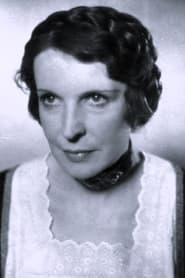
Hanna Ralph
Actor
Born: September 25, 1888 in Krefeld, German Empire Died: March 25, 1978 Active: 1919-1927 Birth Name: Johanna Antonie Adelheid Günther
Films
5 films
About Hanna Ralph
Prominent German silent film actress who rose to prominence during the golden age of German Expressionist cinema in the early 1920s. Born Johanna Antonie Adelheid Günther, she began her career on the stage before transitioning to film, quickly establishing herself as a versatile performer capable of portraying both tragic heroines and femme fatales. Her breakthrough came with her role in Ernst Lubitsch's films, which led to collaborations with directors including Fritz Lang and F.W. Murnau. Ralph's most celebrated performance was as Gretchen in Murnau's masterpiece 'Faust' (1926), where her emotional intensity and expressive acting perfectly captured the film's Gothic atmosphere. She also delivered memorable performances in Lang's epic 'Die Nibelungen' and the controversial 'Opium' (1919). Her career was tragically cut short in the late 1920s due to personal struggles and the advent of sound films, but her contributions to German Expressionist cinema remain significant. Despite her relatively brief film career, Ralph on silent cinema through her powerful screen presence and ability to convey complex emotions through the subtle art of pantomime.
The Craft
On Screen
Ralph was known for her intense, emotionally charged performances characteristic of German Expressionism. She utilized dramatic gestures, exaggerated facial expressions, and powerful body language to convey complex psychological states, making her particularly effective in tragic and melodramatic roles. Her acting style emphasized internal torment and moral conflict, often portraying women caught between desire and duty.
Milestones
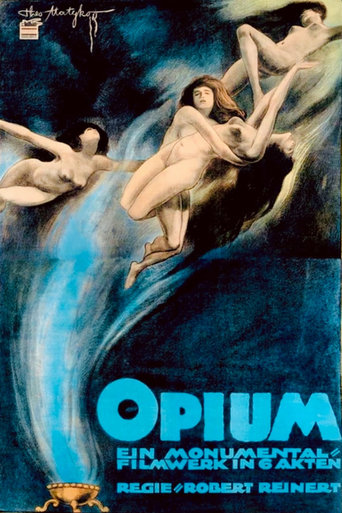
- Breakthrough role in 'Opium' (1919)
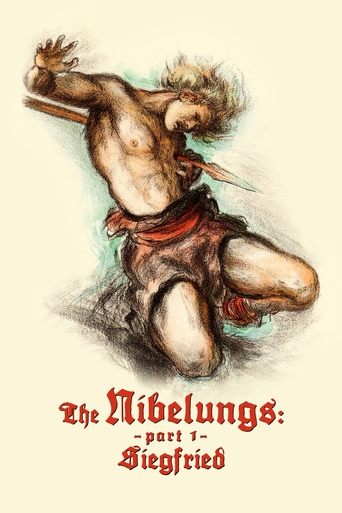
- Starred in Fritz Lang's 'Die Nibelungen' (1924)
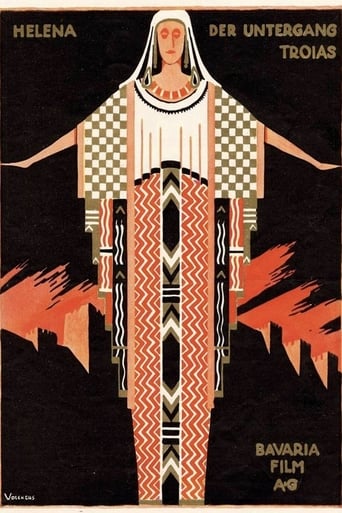
- Portrayed Helen of Troy in the 1924 epic
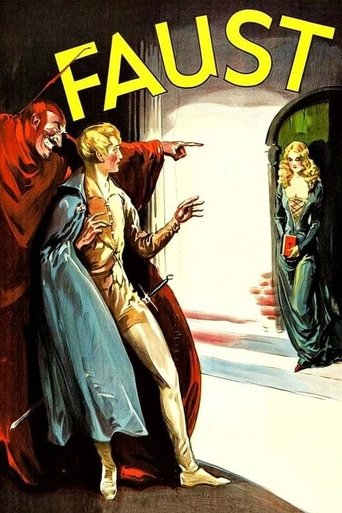
- Landmark performance as Gretchen in 'Faust' (1926)
- Collaboration with Ernst Lubitsch in early films
Best Known For
Iconic Roles
Must-See Films
Accolades
Special Recognition
- Recognized as one of the leading actresses of German Expressionist cinema
- Featured in retrospectives of silent film history
Working Relationships
Worked Often With
Studios
Why They Matter
Impact on Culture
Hanna Ralph played a significant role in shaping the aesthetic of German Expressionist cinema during its most influential period. Her performances in films like 'Faust' and 'Die Nibelungen' helped define the visual and emotional vocabulary of the movement, influencing how female characters were portrayed in European cinema. Ralph embodied the New Woman of the Weimar Republic while simultaneously exploring traditional feminine archetypes, creating a complex screen persona that reflected the cultural tensions of 1920s Germany.
Lasting Legacy
Though largely forgotten by mainstream audiences, Hanna Ralph remains an important figure in film history for her contributions to German Expressionist cinema. Her work continues to be studied by film scholars and appreciated by silent film enthusiasts. Ralph's performances serve as prime examples of the acting techniques that made German silent cinema so influential on international film development, particularly in the horror and fantasy genres.
Who They Inspired
Ralph's intense, psychologically nuanced acting style influenced subsequent generations of actresses working in melodramatic and gothic genres. Her ability to convey complex emotions through physical expression set a standard for silent film performance that would influence actors even after the transition to sound. Directors studying German Expressionist cinema often cite her work as exemplary of the period's acting techniques.
Off Screen
Hanna Ralph married actor and director Emil Jannings in 1920, though the marriage ended in divorce. She struggled with personal demons and health issues that affected her career trajectory. After retiring from films, she largely withdrew from public life and lived in relative obscurity until her death in 1978. Her personal struggles contrasted sharply with the powerful characters she portrayed on screen.
Education
Trained at acting schools in Berlin and Vienna, initially focusing on stage performance before transitioning to film
Family
- Emil Jannings (1920-1921)
Did You Know?
- Was one of the highest-paid actresses in Germany during the early 1920s
- Her marriage to Emil Jannings, one of the era's biggest stars, was highly publicized
- Appeared in over 20 films during her brief but impactful career
- Was considered for Hollywood roles but chose to remain in Germany
- Her performance in 'Faust' was particularly praised by contemporary critics
- Retired from acting shortly after the transition to sound films
- Was rediscovered by film historians during the German Expressionist revival of the 1960s
- Her real name was Johanna Antonie Adelheid Günther
- Studied under renowned stage director Max Reinhardt
- Was known for her intense preparation method for roles, unusual for the time
In Their Own Words
The camera sees what the heart feels - in silence, we speak loudest
Expressionism is not about exaggeration, but about finding the truth beneath the surface
To play Gretchen was to understand the soul of German romanticism
Frequently Asked Questions
Who was Hanna Ralph?
Prominent German silent film actress who starred in major Expressionist films of the 1920s, including 'Faust' and 'Die Nibelungen.' She was known for her intense, emotionally charged performances and was one of the leading actresses of the Weimar cinema era.
What films is Hanna Ralph best known for?
Titles linked here include Faust (1926), Die Nibelungen: Siegfried (1924).
When was Hanna Ralph born and when did she die?
Born September 25, 1888; died March 25, 1978.
What awards did Hanna Ralph win?
While Hanna Ralph did not receive formal awards during her career, she was recognized as one of the leading actresses of German Expressionist cinema and her work continues to be celebrated in film retrospectives and scholarly studies.
What was Hanna Ralph's acting style?
Hanna Ralph's acting style was characterized by the intense, emotionally charged performances typical of German Expressionism. She used dramatic gestures, expressive facial movements, and powerful body language to convey complex psychological states and moral conflicts.