Films
5 films
About Yelena Maksimova
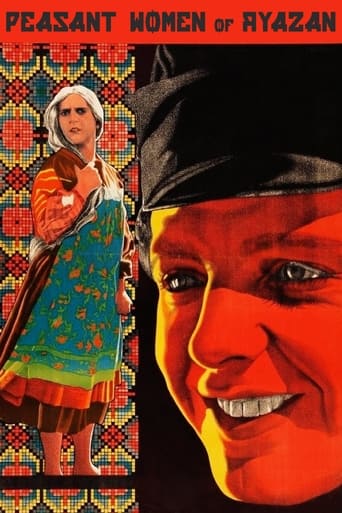
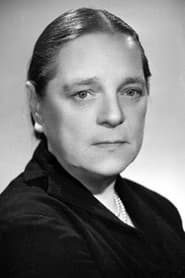
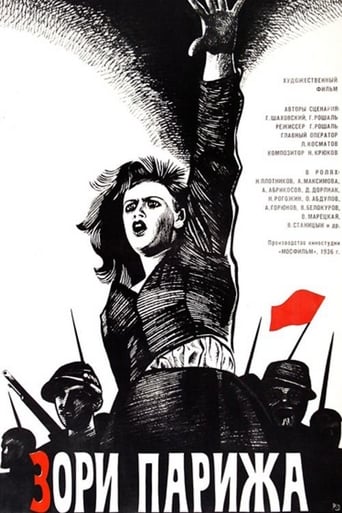
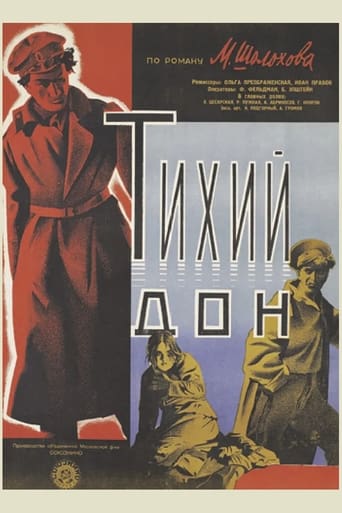
Soviet film actress: screen career is documented from the late silent era into the early sound period, when she appeared in a small but notable group of prestige productions tied to the development of Soviet cinema. She is Yelena Maksimova appeared in films such as The Peasant Women of Ryazan (1927), Earth (1930), And Quiet Flows the Don (1931), The Paris Commune (1936), and Pugachev (1937), which places her work in the midst of artistically ambitious eras of Soviet filmmaking. Because surviving public biographical documentation on her appears limited, many personal details of her life are not widely recorded in English-language film references, and she is best known today through her screen credits rather than a heavily documented personal career profile. Her filmography suggests involvement in historically and ideologically significant productions, often associated with the Soviet screen’s turn toward collective themes, peasant life, revolutionary struggle, and literary adaptation. Like many actors of her generation, she worked during a period when performance style was transitioning from silent-era expressiveness to the more restrained methods required by sound cinema. Although she is not among the most internationally famous Soviet actresses, her appearances in landmark films connect her to major milestones in early Soviet film history. Her surviving legacy is therefore primarily cinematic: she is remembered as part of the ensemble of performers who brought some of the era’s most important political and literary films to life.
The Craft
On Screen
Specific contemporary descriptions of Yelena Maksimova's acting style are not widely preserved in accessible sources, but her work across silent and early sound Soviet films suggests a performance approach shaped by the era's transition from expressive silent acting to more naturalistic dialogue-driven screen performance. In silent films such as The Peasant Women of Ryazan, actors typically relied on strong physical presence, facial expressiveness, and clear emotional legibility, while early sound films demanded more controlled and psychologically grounded readings. Her participation in major literary and historical productions indicates that she likely functioned as an ensemble performer capable of fitting into the disciplined, ideologically oriented style common in Soviet cinema of the 1930s. Rather than star-centered glamour, the films she appeared in emphasized collective drama, social realism, and historical action.
Milestones
- Appeared in The Peasant Women of Ryazan (1927), an early Soviet rural drama associated with the silent era
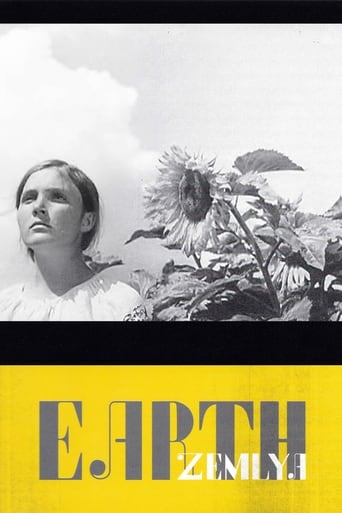
- Acted in Earth (1930),
- Appeared in And Quiet Flows the Don (1931), a major literary adaptation from the early sound period
- Worked in The Paris Commune (1936), reflecting Soviet historical-revolutionary filmmaking
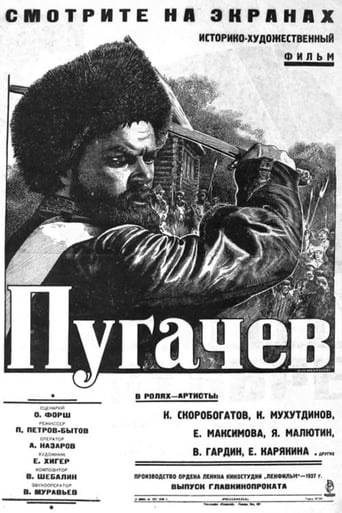
- Appeared in Pugachev (1937), extending her screen career into mid-1930s historical production
- Her filmography places her in landmark productions that are still studied for their cultural and political significance
- Represents the generation of Soviet performers who bridged silent cinema and early sound film
Best Known For
Iconic Roles
Must-See Films
Working Relationships
Worked Often With
Studios
Why They Matter
Impact on Culture
Yelena Maksimova's cultural impact lies in her participation in a set of films that helped define early Soviet cinema's visual language and historical imagination. By appearing in works such as Earth and And Quiet Flows the Don, she was part of productions that were not merely entertainment but cultural statements about peasant life, revolution, and the shaping of Soviet identity. Even when individual actors from ensemble-heavy Soviet films were not promoted as international stars, their performances contributed to the collective power of these movies and to the artistic credibility of the cinema of the period. Her credits also show the movement of Soviet cinema from silent-era experimentation toward more elaborate narrative and historical projects in the 1930s. For film historians, she is valuable as a representative performer in a generation that helped establish the seriousness and social scope of Soviet screen acting.
Lasting Legacy
Her legacy is tied less to celebrity than to film history: she is remembered as one of the many working actors who helped bring major Soviet classics to the screen. Because she appears in films that continue to be screened, studied, and discussed internationally, her performances remain embedded in the canon of early Soviet cinema. The fact that her name appears alongside landmark titles means she is part of the documented personnel of a pivotal artistic era, even if surviving biographical records are sparse. Her career offers evidence of the often under-acknowledged ensemble labor behind canonical films. In that sense, Yelena Maksimova's legacy is that of a classic-era screen actress whose work survives through the films themselves.
Who They Inspired
There is no strong evidence that Yelena Maksimova directly mentored later generations of performers, but her work participated in the performance traditions that influenced Soviet screen acting as a whole. The restrained yet emotionally readable style demanded by early sound cinema, especially in historical and literary adaptations, became part of the broader Soviet acting model that later performers inherited. By contributing to prestigious productions, she helped normalize ensemble-oriented, socially grounded performance over individual star exhibitionism. Her film appearances also contribute to the historical record used by scholars tracing the evolution of acting in Soviet cinema.
Off Screen
Publicly accessible information about Yelena Maksimova's personal life is limited, and standard English-language reference sources do not consistently preserve details about her family, marriages, or private life. As a result, little can be stated with confidence beyond her documented work in Soviet cinema between 1927 and 1937. If she had a later off-screen career or private family life, it is not prominent in the available film-historical record. She remains best known through her association with important films rather than through celebrity biography.
Did You Know?
- She is associated with both silent and early sound Soviet cinema.
- Her screen career, as currently documented, spans about a decade from 1927 to 1937.
- She appeared in Earth,.
- Her known filmography includes both rural dramas and revolutionary-historical works.
- She worked in an era when Soviet cinema was heavily shaped by state cultural policy.
- Unlike many later stars, she is remembered mainly through film credits rather than extensive biographical publicity.
- Her career places her among the ensemble performers who supported major directors and adaptations of the period.
- Public details about her birth, death, and family life are not widely available in standard reference sources.
Frequently Asked Questions
Who was Yelena Maksimova?
Soviet film actress active during the late silent era and early sound period. She is best remembered for appearing in important early Soviet films, including Earth and And Quiet Flows the Don.
What films is Yelena Maksimova best known for?
Titles linked here include The Peasant Women of Ryazan (1927), Earth (1930).
When was Yelena Maksimova born and when did she die?
Her birth and death dates are not clearly documented in the widely accessible film-reference sources currently available. As a result, those details remain uncertain rather than safely verifiable.
What awards did Yelena Maksimova win?
No specific awards or major honors are widely documented for her in accessible sources. Her recognition comes mainly from her participation in landmark films rather than from individual prize records.
What was Yelena Maksimova's acting style?
Her work suggests the performance style typical of Soviet actors moving from silent cinema into the early sound era: expressive, disciplined, and suited to ensemble storytelling. In films focused on social themes and historical events, this usually meant clear emotional presence rather than overt star theatrics.
What is Yelena Maksimova's legacy in film history?
Her legacy is tied to her participation in classic Soviet cinema, especially films that remain important in world film history. Even though her personal biography is not widely preserved, her screen work places her within a pivotal generation of performers.