
Myrtle Stedman
Actor
Born: March 3, 1883 in Chicago, Illinois, USA Died: January 8, 1938 Active: 1910-1931 Birth Name: Myrtle C. Lincoln
Films
7 films
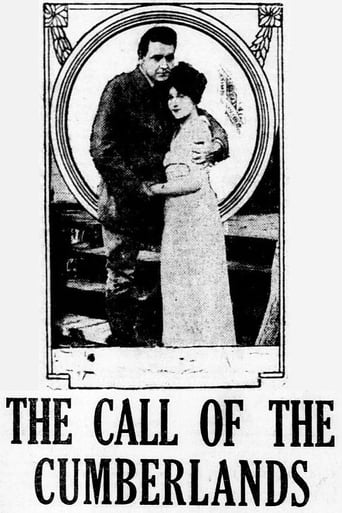
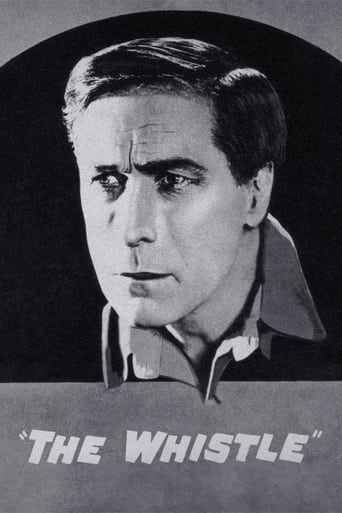
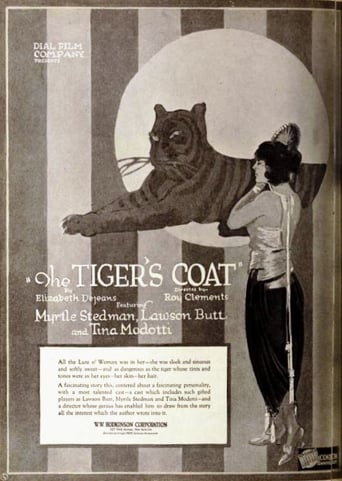
About Myrtle Stedman
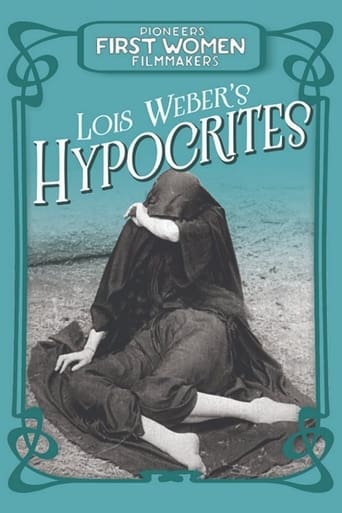
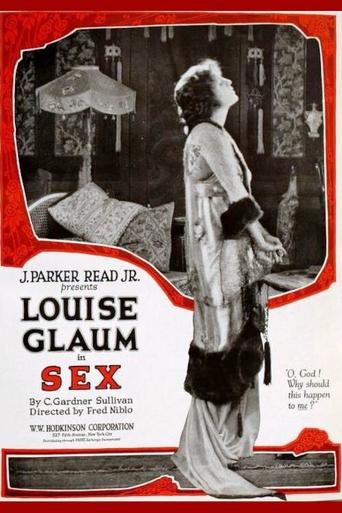
Prominent American actress of the silent era who began her career on the Broadway stage before transitioning to films around 1910. She gained significant recognition working with director Lois Weber, with whom she would later form both a professional partnership and personal marriage. Stedman appeared in over 100 films between 1910 and 1931, showcasing remarkable versatility in dramatic roles, social issue films, and light comedies. She was particularly notable for her performances in controversial films that tackled contemporary social issues, such as 'Hypocrites' (1915) and 'Sex' (1920). Her career successfully navigated the transition from silent films to early talkies, though her prominence diminished as the sound era progressed. Beyond her acting, Stedman was also involved in film production through her association with Weber's production company. Her final years were spent away from the camera, and she passed away in 1938, leaving behind a legacy as one of the silent era's most reliable character actresses.
The Craft
On Screen
Myrtle Stedman was known for her naturalistic acting style that helped bridge the theatrical techniques of early cinema with the more subtle approach that would define silent film acting. She possessed a remarkable ability to convey complex emotions through subtle facial expressions and body language, making her particularly effective in dramatic roles. Her performances often embodied the ideal of the 'New Woman' of the 1910s and 1920s - independent, intelligent, and emotionally complex. Stedman was equally comfortable in melodramas and social issue films, bringing a sense of authenticity to controversial subject matter. Her transition to sound films demonstrated her versatility, as she adapted her stage-trained voice to the new medium with ease.
Milestones
- Stage debut on Broadway in early 1900s
- Film debut in 1910 with Biograph Studios
- Breakthrough role in 'Hypocrites' (1915)
- Marriage and collaboration with director Lois Weber
- Leading role in controversial film 'Sex' (1920)
- Successful transition to talkies in late 1920s
- Over 100 film appearances during her career
Best Known For
Iconic Roles
Must-See Films
Accolades
Special Recognition
- Star on the Hollywood Walk of Fame (Motion Pictures) - 6624 Hollywood Blvd
Working Relationships
Worked Often With
Studios
Why They Matter
Impact on Culture
Myrtle Stedman contributed significantly to the evolution of American cinema during its formative years, particularly through her work in socially conscious films that pushed boundaries of acceptable content. Her performances in controversial films like 'Hypocrites' and 'Sex' helped establish cinema as a medium for serious social commentary and artistic expression. Stedman's collaboration with Lois Weber represented. Her ability to portray complex, independent women characters reflected and influenced the changing roles of women in American society during the progressive era. Her successful transition from stage to screen and from silent to sound films demonstrated the adaptability required of early film actors.
Lasting Legacy
Myrtle Stedman's legacy lies in her contributions to early American cinema as a versatile actress who appeared in over 100 films during a crucial period of film history. She is remembered for her work in groundbreaking films that addressed social issues, helping establish cinema as a serious artistic medium. Her partnership with Lois Weber stands as an important example of female collaboration in early Hollywood, both professionally and personally. While she may not be as well-remembered as some of her contemporaries, film historians recognize her as a reliable character actress who brought depth and authenticity to her roles. Her star on the Hollywood Walk of Fame ensures her place in cinematic history, and her films continue to be studied by scholars interested in the evolution of American cinema and the role of women in early film.
Who They Inspired
Myrtle Stedman influenced subsequent generations of actresses through her naturalistic acting style that moved away from the exaggerated gestures of early cinema. Her work in socially relevant films demonstrated that popular entertainment could also address serious themes, paving the way for later actors and filmmakers. Her successful career spanning the transition from silent to sound films provided a model for adaptability in an industry undergoing rapid technological change. Her collaboration with a female director helped establish the possibility of women holding significant creative power in Hollywood, though this would remain rare for many decades. Stedman's portrayal of complex, independent female characters contributed to expanding the range of roles available to women in American cinema.
Off Screen
Myrtle Stedman was married twice during her lifetime. Her first marriage was to actor Harry A. Pollard, with whom she had one child, a daughter named Katherine Pollard. The marriage ended in divorce. She later married film director Lois Weber in 1926, becoming one of the few known lesbian relationships in early Hollywood, though it was kept private due to the social attitudes of the time. Stedman and Weber's partnership was both personal and professional, with Stedman appearing in several of Weber's productions. After her acting career declined, Stedman lived a relatively private life in Los Angeles until her death from a heart attack at age 54.
Education
Educated in Chicago schools, received dramatic training in local theater companies before moving to New York for stage career
Family
- Harry A. Pollard (1910-1924)
- Lois Weber (1926-1938)
Did You Know?
- Was born Myrtle C. Lincoln before adopting Stedman as her stage name
- Began her career as a stage actress on Broadway before transitioning to films
- Appeared in over 100 films during her 21-year career
- Her marriage to Lois Weber was one of the few known same-sex relationships in early Hollywood
- Worked with director D.W. Griffith at Biograph Studios early in her career
- Her daughter Katherine Pollard also became an actress
- Successfully made the transition from silent films to talkies
- Starred in several controversial films that dealt with social issues of the day
- Was known for her ability to play both dramatic and comedic roles effectively
- Received a star on the Hollywood Walk of Fame for her contributions to motion pictures
In Their Own Words
The camera doesn't lie, but it also doesn't tell the whole story - that's where the actor's art comes in
Working with Lois Weber taught me that film could be more than entertainment; it could be art with a purpose
The transition from silent to sound wasn't as difficult for those of us with stage training - we already knew how to use our voices
Frequently Asked Questions
Who was Myrtle Stedman?
American actress who worked primarily during the silent era and early sound period, appearing in over 100 films between 1910 and 1931. She was known for her versatility in dramatic roles and her collaboration with director Lois Weber, whom she later married.
What films is Myrtle Stedman best known for?
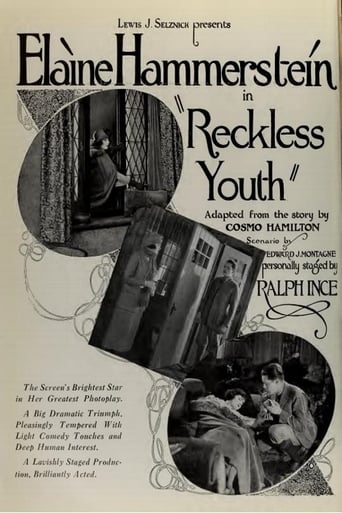
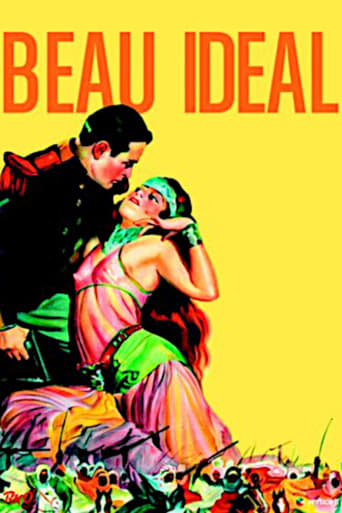
Titles linked here include Hypocrites (1915), The Call of the Cumberlands (1916).
When was Myrtle Stedman born and when did she die?
Born March 3, 1883; died January 8, 1938.
What awards did Myrtle Stedman win?
While Myrtle Stedman did not receive major film awards during her career (the Academy Awards were established late in her career), she was honored with a star on the Hollywood Walk of Fame at 6624 Hollywood Blvd for her contributions to motion pictures.
What was Myrtle Stedman's acting style?
Stedman was known for her naturalistic acting style that moved away from the exaggerated theatrical gestures common in early cinema. She specialized in conveying complex emotions through subtle expressions and body language, making her particularly effective in dramatic and socially conscious films.