No Poster

Pahadi Sanyal
Actor
Born: February 22, 1906 in Darjeeling, Bengal Presidency, British India Died: February 10, 1974 Active: 1933-1974 Birth Name: Nagendranath Sanyal
Films
4 films
About Pahadi Sanyal
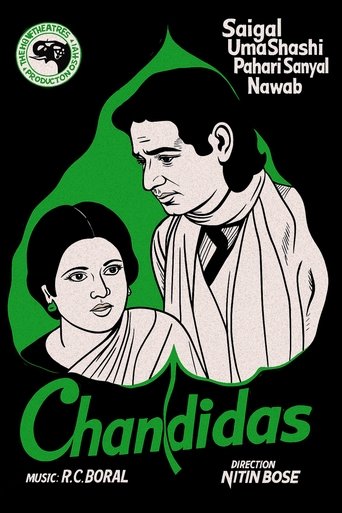
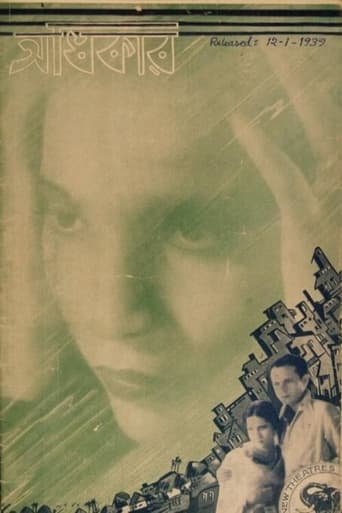
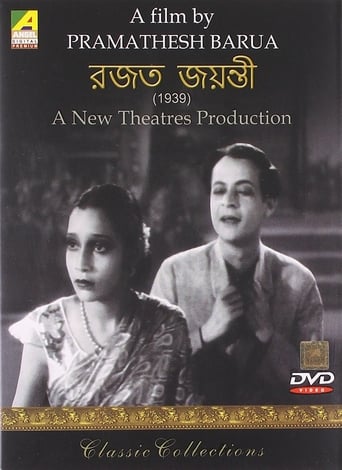
Pahadi Sanyal, born Nagendranath Sanyal, was a figure in Bengali cinema who rose to prominence during the golden era of Indian filmmaking in the 1930s. He began his career with New Theatres, prestigious film studios in Calcutta, and quickly established himself as a versatile actor capable of playing both romantic leads and character roles. His breakthrough came with Chandidas (1934), directed by Debaki Bose, which showcased his ability to portray complex emotional depth on screen. Throughout the late 1930s, he starred in several landmark films including Vidyapati (1937) and Adhikar (1939), which helped establish Bengali cinema as a serious artistic medium. Sanyal's over four decades, during which he appeared in more than 200 films, transitioning seamlessly from leading man roles to character parts as he aged. He was particularly known for his work in films directed by Satyajit Ray in the 1950s and 1960s, where his mature acting style added gravitas to the productions. His contribution to Indian cinema was recognized with numerous awards, and he remains remembered as actors of his generation.
The Craft
On Screen
Pahadi Sanyal was known for his naturalistic acting style that blended classical Indian theatrical techniques with modern cinematic realism. His performances were characterized by subtle facial expressions, controlled body language, and a deep understanding of character psychology. He had a distinctive baritone voice that he used effectively in both dialogue delivery and songs, as many early Bengali films were musicals. Sanyal's approach to acting evolved from the more theatrical style of the 1930s to a more restrained, realistic method in his later work, particularly in his collaborations with art film directors.
Milestones
- Breakthrough role in Chandidas (1934)
- Landmark performance in Vidyapati (1937)
- Leading role in Adhikar (1939)
- Transition to character roles in the 1950s
- Collaboration with Satyajit Ray in the 1960s
- Received BFJA Award for Best Actor
- Completed over 200 films in his career
- Mentored younger actors in Bengali cinema
Best Known For
Iconic Roles
Must-See Films
Accolades
Won
- Bengal Film Journalists' Association Award for Best Actor (1942)
- Bengal Film Journalists' Association Award for Best Supporting Actor (1957)
- Padma Shri (1970)
Nominated
- Nominated for Filmfare Award for Best Actor (1954)
Special Recognition
- Padma Shri, India's fourth highest civilian award (1970)
- Named one of the greatest actors of Bengali cinema by the Government of West Bengal
- Posthumous tribute at the International Film Festival of India
Working Relationships
Worked Often With
Studios
Why They Matter
Impact on Culture
Pahadi Sanyal played a crucial role in establishing Bengali cinema as a serious art form during its formative years. His performances in films like Chandidas and Vidyapati helped create a new cinematic language that blended traditional Indian culture with modern storytelling techniques. Sanyal was instrumental in the transition from silent films to talkies in Bengali cinema, his resonant voice and singing ability making him particularly valuable during this transitional period. His work with New Theatres helped establish Calcutta as a major center of Indian film production, rivaling Bombay in artistic quality and innovation. Sanyal's later collaborations with art film directors like Satyajit Ray bridged the gap between commercial and parallel cinema, demonstrating his versatility and commitment to the artistic development of Indian film.
Lasting Legacy
Pahadi Sanyal's legacy endures as one of the foundational figures of Bengali cinema who helped shape its artistic identity. He is remembered for bringing dignity and depth to character acting at a time when Indian cinema was still developing its artistic vocabulary. His filmography serves as a chronicle of Bengali cinema's evolution from the studio era to the art film movement. Sanyal's ability to adapt to changing cinematic styles while maintaining his artistic integrity made him a role model for future generations of actors. The Padma Shri awarded to him in 1970 recognized not just his individual achievements but his contribution to Indian cinema as a whole. Today, film scholars and enthusiasts study his performances to understand the development of acting techniques in Indian cinema.
Who They Inspired
Pahadi Sanyal influenced generations of Bengali actors through his naturalistic style and professional approach to filmmaking. His ability to seamlessly transition from romantic leads to character roles set a precedent for career longevity in Indian cinema. Younger actors, particularly those working in parallel cinema, looked to his collaborations with Satyajit Ray as examples of how to balance artistic integrity with popular appeal. Sanyal's dedication to his craft and his willingness to take on challenging roles inspired actors to view film acting as a serious artistic endeavor rather than mere entertainment. His influence can be seen in the work of later Bengali cinema icons like Soumitra Chatterjee and Prosenjit Chatterjee, who have cited him as an inspiration.
Off Screen
Pahadi Sanyal was known for his humble and private nature despite his stardom. He maintained a low profile off-screen and was deeply respected in the film industry for his professionalism and dedication to the craft. He was married and had children who later pursued careers outside the film industry. Sanyal was known for his love of literature and classical music, which influenced his artistic sensibilities. In his later years, he suffered from health problems but continued to work in films until shortly before his death.
Education
Educated in Darjeeling and later in Calcutta; studied at the University of Calcutta before entering films
Family
- Name not publicly disclosed
Did You Know?
- Was a trained classical singer and often sang in his early films
- Started his career as a school teacher before entering films
- His stage name 'Pahadi' referred to his origins in the hills of Darjeeling
- Was one of the few actors who successfully transitioned from silent films to talkies
- Maintained a lifelong friendship with fellow actor K.L. Saigal
- Spoke fluent Bengali, Hindi, and English, which helped him work in multiple film industries
- Was known for arriving on set hours before call time to prepare for his roles
- Refused to work in Bombay films to focus on Bengali cinema
- His last film was released posthumously in 1975
- Was an avid reader of Bengali literature and maintained a personal library of over 2,000 books
In Their Own Words
Acting is not about becoming someone else, but about discovering parts of yourself you never knew existed
The camera doesn't lie, but it also doesn't tell the whole truth - that's the actor's job
In Bengali cinema, we don't just tell stories, we preserve our culture for future generations
The greatest reward for an actor is not applause, but the knowledge that you've touched someone's heart
Frequently Asked Questions
Who was Pahadi Sanyal?
with credits in this catalog. He was known for his versatile performances in both leading and character roles, particularly his work with New Theatres and later with art film directors like Satyajit Ray.
What films is Pahadi Sanyal best known for?
When was Pahadi Sanyal born and when did he die?
Born February 22, 1906; died February 10, 1974.
What awards did Pahadi Sanyal win?
Pahadi Sanyal received several prestigious awards including the Bengal Film Journalists' Association Award for Best Actor (1942) and Best Supporting Actor (1957). He was also honored with the Padma Shri, India's fourth highest civilian award, in 1970 for his contributions to Indian cinema.
What was Pahadi Sanyal's acting style?
Pahadi Sanyal was known for his naturalistic acting style that evolved from theatrical techniques to cinematic realism. His performances were characterized by subtle expressions, controlled body language, and emotional depth, with a distinctive baritone voice that he used effectively in both dialogue and songs.