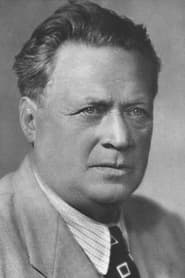
Aleksey Dikiy
Actor
Born: February 24, 1889 in Kamyshin, Saratov Governorate, Russian Empire Died: October 1, 1955 Active: 1910-1955 Birth Name: Aleksey Denisovich Dikiy
Films
5 films
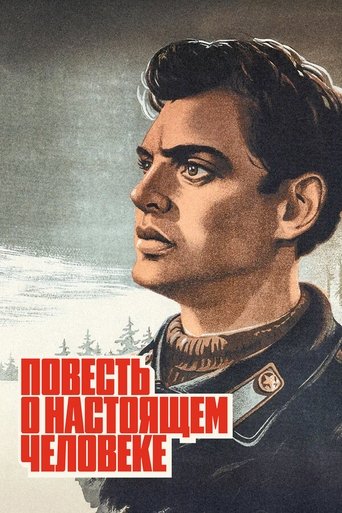
About Aleksey Dikiy
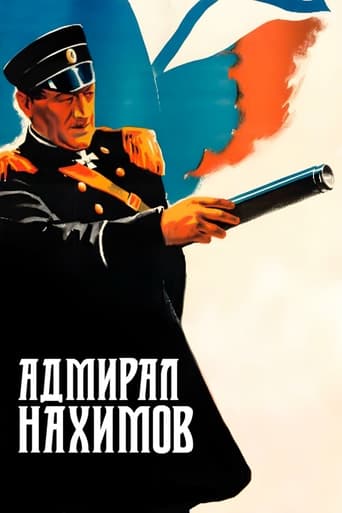
Aleksey Dikiy was among the leading actors of Soviet theater and cinema, renowned for his powerful portrayals of historical figures and complex characters. Beginning his career on the stage in the 1920s, Dikiy quickly established himself excelled in psychological realism and became a leading actor at the Moscow Art Theatre and later the Vakhtangov Theatre. His transition to film in the 1940s coincided with some of the most significant years in Soviet cinema, where he brought his theatrical gravitas to historical epics and wartime propaganda films. Despite facing political persecution during the Stalin era, including a period of imprisonment, Dikiy's reputation as an actor of extraordinary depth and intensity remained unshaken. His performances in films like 'Admiral Nakhimov' and '1812' showcased his ability to embody Russian historical figures with remarkable authenticity and emotional power. Dikiy's acting style combined classical Russian theatrical tradition with a modern psychological approach that influenced generations of Soviet performers. His career, though marked by political challenges, on Soviet cultural heritage and established him as a national treasure whose work continues to be studied and admired.
The Craft
On Screen
Dikiy was known for his intense, psychologically deep performances that combined classical Russian theatrical tradition with modern realism. His approach emphasized emotional authenticity and meticulous character study, often portraying historical figures with extraordinary gravitas and humanity. He possessed a commanding stage presence and a distinctive voice that could convey both power and vulnerability. Dikiy's method involved extensive historical research and psychological preparation for each role, resulting in performances that were both historically informed and emotionally resonant. His style influenced the development of Soviet acting pedagogy and set standards for historical characterization in Soviet cinema.
Milestones
- Leading actor at Moscow Art Theatre (1924-1928)
- Artistic director of Vakhtangov Theatre (1931-1936)
- Stalin Prize recipient for artistic achievements (1946)
- People's Artist of the USSR (1949)
- Notable film performances in WWII and historical epics (1941-1948)
Best Known For
Iconic Roles
Must-See Films
Accolades
Won
- Stalin Prize (1946)
- Order of Lenin (1949)
- Order of the Red Banner of Labour (1938)
- People's Artist of the USSR (1949)
- RSFSR State Prize (1943)
Special Recognition
- People's Artist of the RSFSR (1935)
- Honored Artist of the RSFSR (1933)
- Moscow Art Theatre honorary member
- Vakhtangov Theatre named in his honor
Working Relationships
Worked Often With
Studios
Why They Matter
Impact on Culture
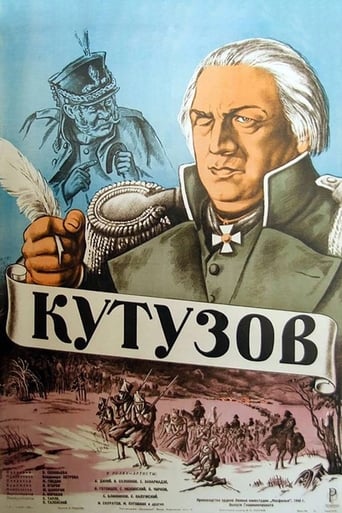
Aleksey Dikiy's impact on Soviet cinema and theater was profound and multifaceted, establishing new standards for historical characterization and psychological depth in performance. His work during the WWII era helped shape the visual and emotional language of Soviet wartime cinema, creating archetypes of Russian heroism and resilience that influenced wartime propaganda and national morale. Dikiy's theatrical innovations, particularly his integration of Meyerhold's biomechanics with Stanislavski's psychological realism, created a unique acting methodology that became influential in Soviet actor training. His portrayals of historical figures like Admiral Nakhimov and Kutuzov helped establish the visual and behavioral templates for historical representation in Soviet cinema, affecting how generations of Soviet viewers understood their national history. Despite political persecution, Dikiy maintained artistic integrity and became a symbol of cultural resistance, demonstrating how art could survive and even thrive under political pressure.
Lasting Legacy
Aleksey Dikiy's legacy endures through his contributions to Soviet acting pedagogy, his influential performances in classic Soviet films, and the theatrical institutions he helped shape. The Vakhtangov Theatre, where he served as artistic director, continues to be one of Moscow's most prestigious theatrical venues, carrying forward his artistic principles. His film performances remain touchstones of Soviet cinema, studied by film scholars and actors for their technical mastery and emotional depth. Dikiy's approach to historical characterization influenced subsequent generations of Soviet and Russian actors, establishing standards for authenticity and psychological complexity in period roles. His life story, marked by both artistic triumph and political persecution, serves as a powerful example of artistic integrity under political pressure, making him not just a cultural figure but also a moral exemplar in Russian cultural history.
Who They Inspired
Dikiy influenced generations of Soviet and Russian actors through his teaching at the Vakhtangov Theatre and his performances that demonstrated new possibilities in psychological realism. His integration of Meyerhold's physical techniques with Stanislavski's emotional methods created a hybrid approach that became influential in Soviet actor training. Directors who worked with him, particularly Vsevolod Pudovkin, incorporated his understanding of historical characterization into their filmmaking techniques. Younger actors who studied under him, including future People's Artists of the USSR, carried forward his emphasis on thorough historical research and psychological preparation for roles. His performances in historical films established a template for how Russian historical figures should be portrayed on screen, influencing costume design, makeup, and performance styles in subsequent Soviet historical epics.
Off Screen
Aleksey Dikiy's personal life was marked by both professional success and political persecution during the Stalin era. He was married to actress Valentina Tokarskaya, with whom he often collaborated on stage and in films. Despite his artistic achievements, Dikiy faced political repression and was arrested in 1937 during the Great Purge, spending time in labor camps before being rehabilitated. This experience deeply affected his worldview and artistic approach, adding layers of complexity to his later performances. Dikiy was known as a demanding but inspiring teacher and mentor to younger actors, and his home became a gathering place for Moscow's intellectual and artistic community. He maintained his artistic integrity throughout political pressures and remained committed to his craft until his death in 1955.
Education
Studied at the Saratov Drama School (1908-1910), trained under Vsevolod Meyerhold's theatrical system
Family
- Valentina Tokarskaya (1925-1955)
Did You Know?
- Was arrested during the Great Purge of 1937 and spent time in a Gulag before being rehabilitated
- His performance as Admiral Nakhimov was so convincing that naval officers reportedly saluted him on the street
- Studied under both Stanislavski and Meyerhold, two opposing masters of Soviet theater
- Was known for his meticulous historical research, often spending months studying source materials for roles
- His distinctive voice and imposing physical presence made him particularly suited for historical and military roles
- Despite his prominence, he maintained a reputation for being approachable and generous with young actors
- The Vakhtangov Theatre, where he was artistic director, continues to be named in his honor
- His performances were often used as teaching examples in Soviet acting schools
- He was one of the few actors who successfully transitioned from silent theater to sound film while maintaining his artistic integrity
- His imprisonment during the 1930s actually enhanced his reputation among intellectuals as a symbol of artistic resistance
In Their Own Words
The actor must not just play a role, he must become the role, live it, breathe it, and make it his own truth.
Historical characters are not museum pieces; they are living, breathing people who faced the same human dilemmas we face today.
Art survives even when governments fall, because it speaks to something eternal in the human soul.
The stage is not a place for showing off, but for revealing truth through the mask of character.
To portray a Russian hero, one must understand not just the history, but the Russian soul itself.
Frequently Asked Questions
Who was Aleksey Dikiy?
Renowned Soviet theater and film with credits in this catalog. He was particularly famous for his powerful portrayals of historical figures and his influential work as artistic director of the Vakhtangov Theatre.
What films is Aleksey Dikiy best known for?
Titles linked here include Admiral Nakhimov (1946), 1812 (1944).
When was Aleksey Dikiy born and when did he die?
Born February 24, 1889; died October 1, 1955.
What awards did Aleksey Dikiy win?
Dikiy received numerous prestigious awards including the Stalin Prize (1946), was named People's Artist of the USSR (1949), received the Order of Lenin (1949), and was honored with the RSFSR State Prize (1943).
What was Aleksey Dikiy's acting style?
Dikiy's acting style combined classical Russian theatrical tradition with modern psychological realism, emphasizing emotional authenticity and meticulous character study. He was known for his intense, psychologically deep performances and his ability to embody historical figures with remarkable gravitas.