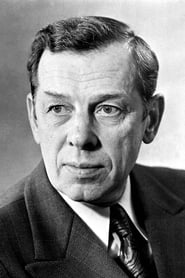
Georgi Zhzhyonov
Actor
Born: March 22, 1915 in St. Petersburg, Russian Empire Died: December 8, 2005 Active: 1931-2005 Birth Name: Georgi Stepanovich Zhzhyonov
Films
3 films
About Georgi Zhzhyonov
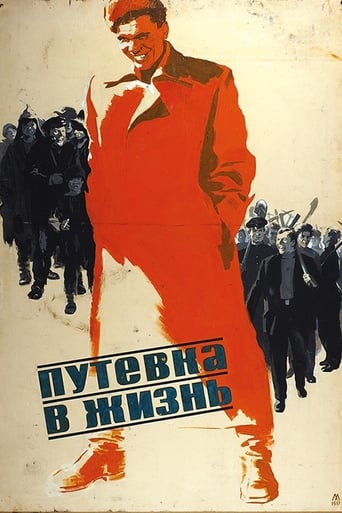
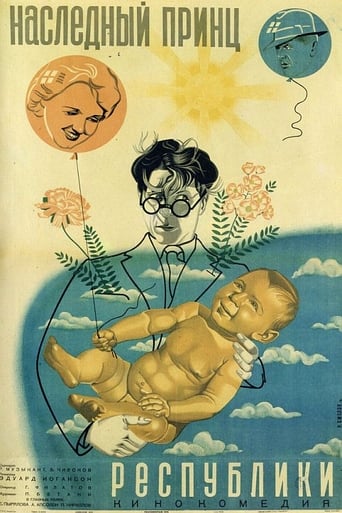
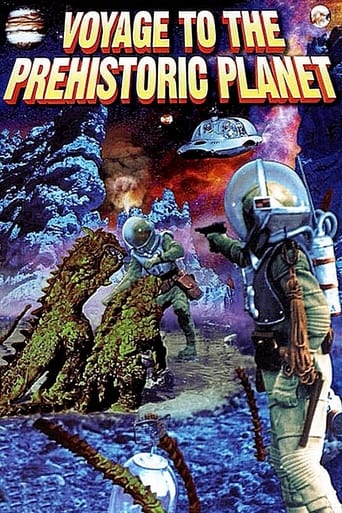
Georgi Stepanovich Zhzhyonov — major Soviet actor whose career began in the early sound era and extended across stage, screen, and later television, making him one of the best-known dramatic performers in Soviet cinema. Born in St. Petersburg in 1915, he entered acting at a young age and appeared in early films such as Road to Life in 1931 and Crown Prince of the Republic in 1934, establishing himself in the formative years of Soviet talkies. His career was interrupted and profoundly shaped by the political repressions of the Stalin period, during which he was arrested and spent years in exile and labor-camp conditions before being rehabilitated and returning to work. After his return, he rebuilt his reputation through a series of authoritative, often morally complex screen roles that made him a recognizable figure to Soviet audiences for his restrained intensity and gravitas. By the 1960s, he was again appearing in international-leaning productions, including Voyage to the Prehistoric Planet in 1965, reflecting the broadening reach of Soviet performers into global genre cinema. Over the course of his long career, Zhzhyonov became known not only as an actor of exceptional discipline and dignity but also as a symbol of artistic resilience in the face of state repression. His life and work remain closely associated with Soviet film history, especially the human cost and eventual restoration of artists who survived the mid-century political purges.
The Craft
On Screen
Zhzhyonov was known for a restrained, controlled, and highly disciplined acting style that emphasized moral seriousness, quiet authority, and psychological credibility. Rather than theatrical excess, he often projected inner tension through measured speech, composed posture, and a strong sense of presence. His performances frequently suggested endurance, dignity, and a hard-won emotional depth, which made him especially effective in roles of officials, professionals, and men carrying private burdens. In later work, that severity could soften into melancholy or reflective wisdom, giving his characters a layered humanity. His screen persona fit the Soviet preference for socially responsible, internally strong protagonists while still allowing for nuance and personal pain.
Milestones
- Began film acting in the early Soviet sound era with Road to Life (1931), one of the landmark films of Soviet cinema.
- Appeared in Crown Prince of the Republic (1934), further establishing his screen presence in the 1930s.
- Survived political repression and a major interruption to his career, later returning to the screen after rehabilitation.
- Rebuilt his reputation in postwar Soviet cinema with authoritative dramatic roles that showcased his restraint and seriousness.
- Appeared in Voyage to the Prehistoric Planet (1965), connecting his career to an international science-fiction production.
- Became one of the notable elder statesmen of Soviet acting, respected for both his artistry and personal endurance.
Best Known For
Iconic Roles
Must-See Films
Accolades
Won
- People's Artist of the USSR
- USSR State Prize
Special Recognition
- Major Soviet state recognition for outstanding contributions to theater and film
- Widely honored in Soviet cultural life as a senior artist of national importance
Working Relationships
Worked Often With
Studios
Why They Matter
Impact on Culture
Georgi Zhzhyonov occupies an important place in Soviet cinema history because his career embodies both the promise of early Soviet film and the destructive impact of Stalin-era repression on artists. His early appearances placed him among performers who helped define the transition from silent to sound filmmaking in the USSR, while his later work reintroduced him as a seasoned, morally serious actor capable of carrying the weight of postwar dramatic roles. Beyond his performances, his biography became culturally significant as an example of artistic survival: audiences and historians have long viewed him as one of the emblematic Soviet actors whose talent was interrupted by politics but not extinguished. His name is often associated with dignity, endurance, and the capacity of cinema to restore public memory to artists once marginalized by the state. In Russian film culture, he remains admired not only for his screen work but also for the symbolic importance of his return to prominence after years of deprivation and silence.
Lasting Legacy
Zhzhyonov's lasting legacy lies in both his body of work and the historical meaning attached to his life. He is remembered as a representative figure of Soviet acting craft: sober, precise, and emotionally controlled, yet capable of profound inwardness. Film historians also regard him as one of the artists whose biography reveals the human costs of political repression, making his career a valuable lens through which to study Soviet cultural history. His later success helped affirm that major artists who had been suppressed could still shape national cinema after rehabilitation. For modern viewers and scholars, he stands as a bridge between the early Soviet screen, the mid-century studio system, and the broader story of artistic resilience under authoritarian rule.
Who They Inspired
Zhzhyonov influenced later Russian and Soviet actors through his example of understated dramatic realism and professional seriousness. His performances demonstrated that authority on screen could be expressed through restraint rather than rhetoric, a quality that later generations of performers often adopted in Soviet and Russian cinema. His personal history also gave him an unusual moral authority, encouraging audiences and artists to view acting not simply as performance but as a form of witness and endurance. In historical discussions of Soviet film, he is frequently cited as part of the lineage of actors whose reputations were strengthened by the combination of craft, public dignity, and lived experience. His career remains influential as a reminder that cinema history is shaped as much by biography and context as by the films themselves.
Off Screen
Zhzhyonov's personal life was inseparable from the upheavals of Soviet history, especially the political arrests and exile that disrupted his family and professional life. He endured long periods of hardship during the era of repression, and that experience deeply shaped his later public image as a figure of moral resilience and survival. He was known as a highly respected public personality in Soviet cultural circles after his rehabilitation, and his memoir-like recollections of persecution and return contributed to his stature beyond the screen. Detailed family information is less consistently documented in international film references than his professional and historical significance, but his life is often discussed in connection with the impact of state repression on artists of his generation.
Education
He studied acting and entered professional performance while still very young; detailed institutional education information is not consistently documented in standard English-language film references.
Did You Know?
- He appeared in Road to Life (1931), one of the Soviet Union's early landmark sound films.
- His career was severely disrupted by political repression, making his later comeback especially significant in Soviet cultural history.
- He was active across multiple eras of Soviet cinema, from the early 1930s through the 1960s and beyond.
- He appeared in Voyage to the Prehistoric Planet (1965), linking him to a science-fiction production with international circulation.
- He is often remembered as much for his biography of survival and rehabilitation as for his screen roles.
- His acting persona was associated with calm authority, moral seriousness, and emotional reserve.
- He became a symbol of the endurance of Soviet artists who were persecuted and later restored to public life.
- His long career made him familiar to multiple generations of Soviet filmgoers.
Frequently Asked Questions
Who was Georgi Zhzhyonov?
Soviet and Russian with credits in this catalog. He is remembered for his early film roles, his later dramatic authority, and the remarkable resilience he showed after surviving political repression.
What films is Georgi Zhzhyonov best known for?
Titles linked here include Road to Life (1931), Crown Prince of the Republic (1934).
When was Georgi Zhzhyonov born and when did he die?
Born March 22, 1915; died December 8, 2005.
What awards did Georgi Zhzhyonov win?
He received major Soviet honors including the title of People's Artist of the USSR and the USSR State Prize. These recognitions reflect his stature as one of the important dramatic actors of his era.
What was Georgi Zhzhyonov's acting style?
His style was restrained, controlled, and deeply serious, with an emphasis on inner life rather than flamboyant expression. He often played authoritative or morally complex men, using composure and subtle emotional shading to give his roles weight.
What is Georgi Zhzhyonov's legacy in film history?
His legacy combines artistic accomplishment with historical significance. He is remembered as a talented Soviet actor whose career was interrupted by repression but later restored, making him an enduring symbol of resilience in Russian film history.