
Stepan Shkurat
Actor
Born: November 15, 1886 in Horodysche, Cherkasy Oblast, Ukraine Died: January 9, 1957 Active: 1930-1935 Birth Name: Stepan Ivanovych Shkurat
Films
3 films
About Stepan Shkurat
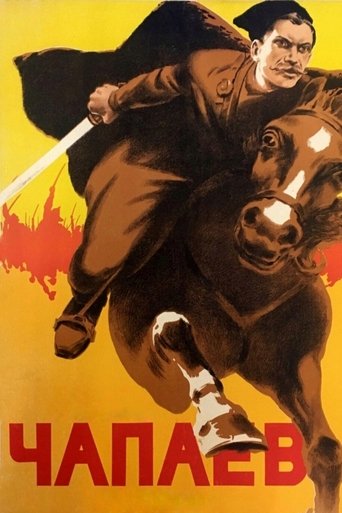
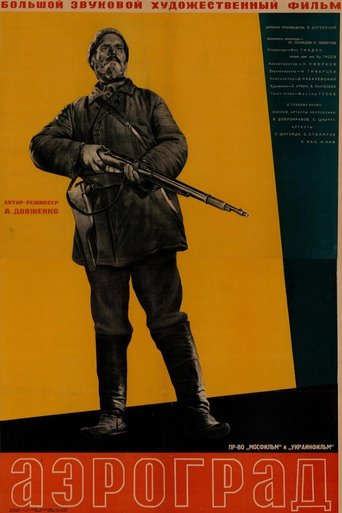
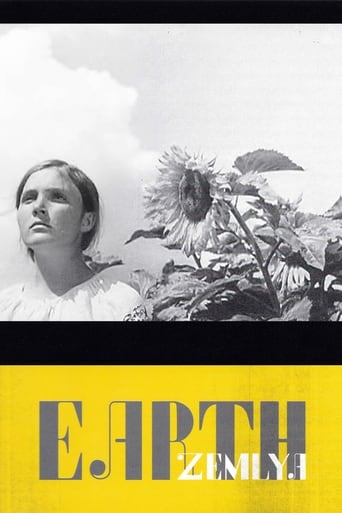
Stepan Ivanovych Shkurat — Soviet film actor best remembered as one of the character actors who helped define the look and feeling of early Ukrainian and Soviet sound cinema. Born in Ukraine, he came to prominence not as a leading romantic star but as a vivid screen presence whose weathered face, earthy humor, and plainspoken authenticity suited the new realist aesthetics of the 1920s and 1930s. He is especially associated with Alexander Dovzhenko's Earth (1930), where his performance contributed to the film's poetic yet rooted depiction of peasant life and collectivization-era tensions. Shkurat later appeared in Chapayev (1934), Soviet war films, and in Aerograd (1935), further aligning himself with major prestige productions of the period. His screen persona was built around ordinary working people, village elders, and dependable supporting figures rather than glamorous leads, which made him valuable to filmmakers seeking naturalism and regional authenticity. He worked during a formative period for Soviet cinema, when silent-era performance traditions were being adapted to sound film, and his career reflects that transition. Because much of his work was in Soviet productions rather than internationally distributed films, he is less widely known outside Eastern European film history, but he remains significant in the canon of early Soviet acting.
The Craft
On Screen
Shkurat's acting style was grounded, economical, and strongly expressive in a folk-realistic sense. He often played ordinary men with a natural, unforced presence rather than theatrical stylization, making him well suited to Soviet films that emphasized everyday labor, collective life, and regional authenticity. In the transition from silent to sound cinema, his performances retained the visual clarity of silent-era acting while adapting to more restrained, conversational screen behavior. His strength lay in the credibility of his face, posture, and timing, which allowed directors to use him as a humanizing presence within larger historical or ideological narratives.
Milestones
- Appeared in Alexander Dovzhenko's Earth (1930), one of the landmark films of Soviet and world cinema
- Acted in Chapayev (1934), a major Soviet popular and critical success that became a model for later war films
- Worked in Aerograd (1935), another important Dovzhenko film associated with the poetic realist tradition
- Established a memorable screen identity as a character actor specializing in rural, working-class, and folk types
- Contributed to the visual and emotional texture of early sound-era Soviet cinema through understated, naturalistic performance
- Participated in productions that became central reference points in the history of Ukrainian and Soviet film art
Best Known For
Iconic Roles
Must-See Films
Working Relationships
Worked Often With
Studios
Why They Matter
Impact on Culture
Stepan Shkurat's cultural impact lies less in stardom than in the formation of a distinct Soviet screen type: the credible rural elder, peasant, or common man whose presence anchored ideologically important films in social reality. In Earth, his participation placed him within one of the great masterpieces of world cinema, a film studied for its visual poetry, agricultural imagery, and political symbolism. In Chapayev, he contributed to a work that became enormously influential in the Soviet Union and helped crystallize heroic templates for later war and revolutionary films. His career illustrates how character actors shaped the emotional truth of early Soviet cinema, especially in works where community and collective identity mattered more than individual celebrity. For historians, he is part of the ensemble of performers who made the poetic realism of Dovzhenko and the popular heroism of Soviet war cinema convincing to audiences.
Lasting Legacy
Shkurat's legacy is tied to the classic films in which he appeared and to the broader history of Soviet acting at a moment when cinema was defining its national style. While he is not among the best-known Soviet stars internationally, his work survives in films that remain central to film-school curricula and retrospective programming, ensuring that his screen image remains part of the canon. He represents the kind of indispensable supporting performer whose authenticity helped elevate major films beyond propaganda into enduring art. His presence in Earth, Chapayev, and Aerograd gives him a secure place in early sound-era film history, particularly within Ukrainian and Soviet cultural memory. For modern viewers and scholars, he stands as an example of the deeply rooted, ensemble-based performance tradition that underpinned classic Soviet cinema.
Who They Inspired
Shkurat influenced later character acting in Soviet cinema by demonstrating how a modest, non-theatrical performance could carry emotional and symbolic weight. His work helped reinforce the value of regional and folk authenticity in screen acting, an approach that resonated throughout Soviet realist traditions. Though he did not leave behind a widely documented direct lineage of protégés, his performances contributed to a model of ensemble realism that many later actors and directors adopted. His participation in landmark films also ensured that his style became part of the visual memory of Soviet cinematic history.
Off Screen
Information about Shkurat's private life is limited in widely accessible English-language sources. He is documented primarily through his work in Soviet cinema rather than through extensive biographical accounts, and details about marriages, children, and domestic life are not well publicized in standard film reference materials. What is clear is that he was part of the early Soviet artistic environment that linked regional Ukrainian performers with major state film productions. Beyond that, reliable public information about his family relationships remains sparse.
Education
No reliable public information is readily available about formal schooling or professional training; he is chiefly documented as a film actor emerging into cinema from the Soviet-Ukrainian cultural sphere.
Did You Know?
- He is best remembered today through a small number of landmark films rather than a large surviving filmography in the West.
- Earth is widely regarded as one of the masterpieces of world cinema, which gives Shkurat an important place in film history despite his supporting-role status.
- He worked during the crucial transition from silent cinema to sound cinema in the Soviet Union.
- His performances were valued for their earthy realism and ability to represent ordinary rural people credibly.
- Chapayev became.
- Aerograd reflected the poetic and ideological ambitions of Soviet cinema in the mid-1930s.
- He is associated with Ukrainian/Soviet film culture and the cinematic world of Alexander Dovzhenko.
- Much of the public information about him is limited, which is common for supporting players of early Soviet cinema.
Frequently Asked Questions
Who was Stepan Shkurat?
Soviet with credits in this catalog. He was valued for his natural, earthy screen presence and his ability to portray ordinary people with authenticity.
What films is Stepan Shkurat best known for?
When was Stepan Shkurat born and when did he die?
Born November 15, 1886; died January 9, 1957.
What awards did Stepan Shkurat win?
No major awards or formal honors are readily documented in widely accessible sources for Shkurat. His recognition comes primarily through the lasting fame of the films he appeared in rather than through individual prize records.
What was Stepan Shkurat's acting style?
His style was naturalistic, restrained, and strongly rooted in folk realism. He specialized in believable supporting characters, especially rural or working-class figures, and brought a quiet authenticity to ensemble films.
What is Stepan Shkurat's legacy in film history?
His legacy is tied to the masterpieces of early Soviet cinema, where he helped create convincing social and regional texture. He remains a notable figure for scholars of Dovzhenko, Soviet realism, and the evolution of character acting in the early sound era.