
House Peters
Actor
Born: March 12, 1880 in Bristol, England Died: December 7, 1967 Active: 1914-1935 Birth Name: Robert House Peters
Films
5 films

About House Peters
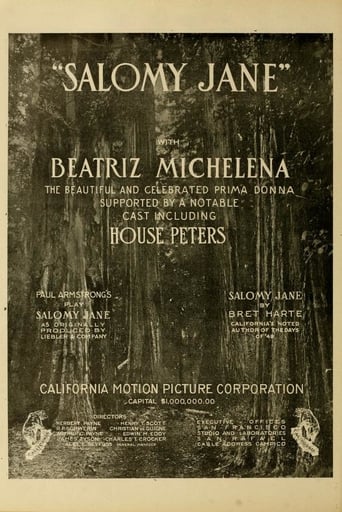
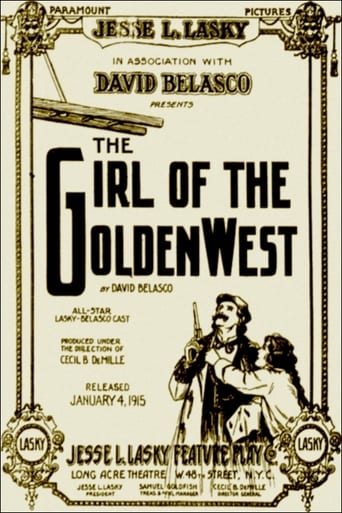
Robert House Peters, known professionally as House Peters, was a leading man of the silent film era who rose to prominence in the mid-1910s. Born in England, he began his career on the stage before transitioning to motion pictures in 1914, quickly establishing himself as a popular romantic lead. Peters gained widespread recognition for his role in Salomy Jane (1914) opposite Beatriz Michelena, which showcased his rugged good looks and intense screen presence. Throughout his career, he specialized in Westerns and dramatic adaptations, often portraying strong, masculine characters with a romantic edge. His performances in films like The Girl of the Golden West (1915) and The Captive (1915) demonstrated his versatility and ability to carry major productions. As the film industry evolved through the 1920s, Peters continued to work steadily, though his star status gradually diminished with the emergence of new leading men. He made the transition to sound films but eventually retired from acting in the mid-1930s, leaving behind a legacy as one of the early pioneers of Hollywood cinema.
The Craft
On Screen
House Peters was known for his intense, theatrical acting style typical of the silent era, characterized by exaggerated facial expressions and dramatic gestures that effectively conveyed emotion without dialogue. His performances combined rugged masculinity with romantic sensitivity, making him particularly effective in Western roles where he could portray both tough action heroes and romantic leads. Peters had a commanding screen presence, using his tall stature and striking features to create memorable characters that resonated with audiences of the time.
Milestones
- Starred in Salomy Jane (1914) opposite Beatriz Michelena
- Leading role in The Girl of the Golden West (1915)
- Appeared in over 60 films during his career
- Successfully transitioned from stage to film
- Worked with major studios including Universal and Fox Film Corporation
Best Known For
Iconic Roles
Must-See Films
Accolades
Special Recognition
- Pioneer of silent cinema
- Recognized as one of early Hollywood's leading men
Working Relationships
Worked Often With
Studios
Why They Matter
Impact on Culture
House Peters was part of the first generation of film actors who helped establish the archetype of the romantic leading man in American cinema. His work in Westerns helped popularize the genre and set standards for masculine performance in silent films. As a British actor who successfully transitioned to Hollywood, he represented the international nature of early American cinema. His performances in adaptations of popular literature and stage plays helped bridge the gap between traditional theater and the new medium of motion pictures.
Lasting Legacy
House Peters left a lasting legacy as one of the actors of silent cinema, with over 60 films to his credit. His active years covered the formative years of Hollywood, from the early 1910s through the transition to sound. His son, House Peters Jr., continued the family's acting tradition, appearing in numerous films and television shows through the 1950s and 1960s. Peters' work remains an important part of film history, representing the evolution of acting styles and storytelling techniques in early American cinema.
Who They Inspired
Peters influenced subsequent generations of actors, particularly in the Western genre, through his portrayal of strong, romantic heroes. His transition from stage to film provided a model for other theater actors entering the movie industry. His professional approach and longevity in the business set standards for work ethic in early Hollywood. His success helped pave the way for other British actors in American cinema.
Off Screen
House Peters was married to actress Mae King, with whom he had one son, House Peters Jr., who would also become a successful actor. The family maintained a strong presence in Hollywood during the golden age of cinema. Peters was known for his professionalism and dedication to his craft, maintaining good relationships within the industry throughout his career. After retiring from acting, he lived a relatively private life in Los Angeles, witnessing his son's success in films and television.
Education
Educated in England before immigrating to the United States; received theatrical training before entering films
Family
- Mae King Peters (1912-1967)
Did You Know?
- Born in England but became a naturalized American citizen
- His son House Peters Jr. Appeared in over 200 films and television shows
- Began his career on the stage before entering films
- Was one of the first actors signed by Universal Pictures
- Often played characters named 'Jack' in his films
- Retired from acting before his son's career took off
- His real name was Robert House Peters
- Worked with some of the earliest film directors in Hollywood
- Appeared in both dramatic and comedic roles throughout his career
- Was known for his distinctive mustache in many of his later roles
Frequently Asked Questions
Who was House Peters?
British-American with credits in this catalog. He appeared in over 60 films between 1914 and 1935, specializing in Westerns and romantic dramas. He was the father of actor House Peters Jr.
What films is House Peters best known for?
Titles linked here include Salomy Jane (1914), The Girl of the Golden West (1915).
When was House Peters born and when did he die?
Born March 12, 1880; died December 7, 1967.
What awards did House Peters win?
House Peters did not receive major formal awards during his career, as many of the prestigious film awards were not established during his peak years. However, he was recognized within the industry as a significant contributor to early cinema and is remembered as an actor of the silent era.
What was House Peters's acting style?
House Peters employed a theatrical, expressive acting style typical of the silent era, using dramatic gestures and facial expressions to convey emotion. He combined rugged masculinity with romantic sensitivity, making him particularly effective in Western roles. His commanding screen presence and versatility allowed him to excel in both dramatic and action-oriented characters.
Did House Peters have any children who became actors?
Yes, House Peters's son House Peters Jr. Became a successful character actor, appearing in over 200 films and television shows from the 1940s through the 1960s. The younger Peters was known for his work in Westerns and television series, continuing the family's acting legacy.
How did House Peters influence cinema?
House Peters helped establish the archetype of the romantic leading man in early Hollywood cinema, particularly in the Western genre. His successful transition from stage to film provided a model for other theater actors entering movies. His professional career spanning the formative years of Hollywood contributed to the development of film acting techniques and industry standards.