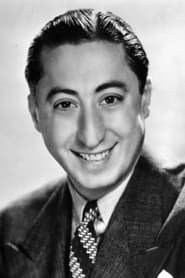
Benny Rubin
Actor
Born: February 2, 1899 in Boston, Massachusetts, USA Died: July 15, 1986 Active: 1928-1981 Birth Name: Benjamin Rubin
Films
3 films

About Benny Rubin
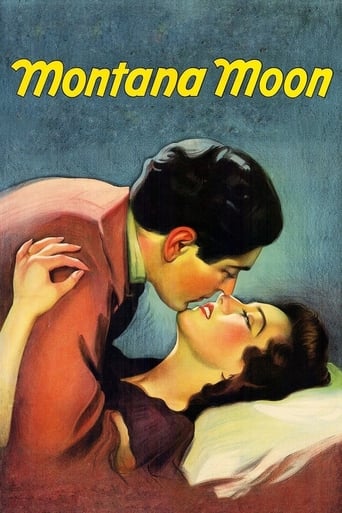
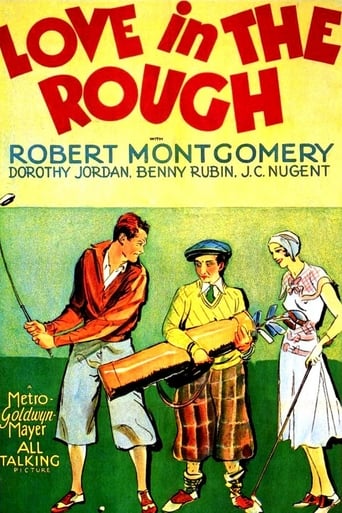
Prolific American comedian and character actor: over six decades, transitioning from the vaudeville stage to radio, film, and television. Born Benjamin Rubin in a Boston slum, he taught himself to tap dance on street corners for pennies before landing his first professional job at age 14. He rose to prominence in the 1920s as a headliner at the Palace Theatre in New York, where he became renowned for his mastery of various ethnic dialects and rubber-faced physical comedy. Rubin moved to Hollywood in 1929 during the transition to sound, making his film debut in 'Naughty Baby' and quickly becoming a staple in early talkies like 'Montana Moon' and 'Love in the Rough.' Despite a career setback in the late 1930s due to a shift away from dialect-based comedy, he reinvented himself as a versatile character actor and became a frequent collaborator of Jack Benny. His later career saw him appearing in hundreds of television episodes and several Jerry Lewis features, maintaining his status as a reliable 'laugh insurance' for major comedians until his final roles in the late 1970s.
The Craft
On Screen
Rubin — 'rubber-faced' comic known for his extreme physical expressiveness and impeccable timing. He excelled in dialects, capable of convincingly imitating Jewish, Irish, German, and various other ethnic accents, which was a hallmark of his vaudeville and early film routines. His style often blended high-energy tap dancing with verbal wit and character-based sketches.
Milestones
- Headlined at the prestigious Palace Theatre in New York during the vaudeville era
- Made a successful transition to sound films in 1929 with 'Naughty Baby'
- Published his autobiography 'Come Backstage with Me' in 1972
- Appeared in over 500 episodes of 'The Jack Benny Program' across radio and television
- Voiced the character Joe Jitsu in the animated series 'The Dick Tracy Show' (1961)
- Portrayed the memorable 'I don't know!' man on Jack Benny's shows
Best Known For
Iconic Roles
Must-See Films
Accolades
Special Recognition
- Recognized as one of the premier dialect comedians of the Vaudeville era
- Subject of a dedicated biography in the book 'Vaudeville Old & New' by Anthony Slide
Working Relationships
Worked Often With
Studios
Why They Matter
Impact on Culture
Bridge between the broad, ethnic-based humor of vaudeville and the more refined character acting of the Golden Age of Hollywood. His ability to navigate the transition from silent stages to the microphone-heavy world of early talkies and radio helped define the 'dialect comic' archetype. He is often credited with influencing the stage name of Jack Benny (born Benjamin Kubelsky), as the two shared the name 'Benny' in their early careers.
Lasting Legacy
Rubin's legacy lies in his incredible versatility and longevity in the entertainment industry. While many of his contemporaries faded with the decline of vaudeville, Rubin successfully adapted to every new medium of the 20th century. He remains a cult favorite among fans of classic television for his recurring 'I don't know!' bit on the Jack Benny show and his voice work in early animation.
Who They Inspired
He influenced a generation of character actors who specialized in 'bit parts' and vocal characterizations. His mastery of dialects provided a blueprint for later comedians like Mel Blanc and Artie Auerbach.
Off Screen
Rubin was raised in a Jewish family in Boston. He was married twice: first to actress Mary Bolt (also known as Mary O'Brien) from 1927 to 1934, with whom he had one daughter. In 1940, he married Beatrice Dallinger. He was a lifelong friend of Jack Benny, a relationship that began in their early vaudeville days and lasted until Benny's death.
Education
Self-taught performer; learned tap dancing on the streets of Boston.
Family
- Mary Bolt (1927-1934)
- Beatrice Dallinger (1940-1986)
Did You Know?
- He claimed to have given Jack Benny his stage name to avoid confusion with another performer named Ben K. Benny.
- Rubin was originally considered for the role of the Pullman porter on Jack Benny's show, but the producer thought he looked 'too Jewish' for the part, leading to the hiring of Eddie Anderson (Rochester).
- He opened a dress shop at one point in the late 1930s when his acting career hit a slump due to a industry-wide crackdown on dialect comedy.
- He appeared in over 200 films and television shows throughout his 50+ year career.
- Rubin once complained that Walter Winchell helped kill his career by campaigning against ethnic dialect humor in the late 1930s.
- He was a regular panelist on the radio joke-telling show 'Stop Me If You've Heard This One.'
- His final film appearance was a small role in the 1978 medical thriller 'Coma.'
- He is buried at Hillside Memorial Park Cemetery in Culver City, California.
In Their Own Words
I don't know! (Catchphrase used in various sketches with Jack Benny)
People see me on the street and they say, 'I've seen that guy.' But they've been looking through beards and moustaches.
Frequently Asked Questions
Who was Benny Rubin?
Versatile American comedian and character with credits in this catalog. He was best known for his mastery of dialects and his frequent appearances on The Jack Benny Program.
What films is Benny Rubin best known for?
Titles linked here include Montana Moon (1930), Love in the Rough (1930).
When was Benny Rubin born and when did he die?
Born February 2, 1899; died July 15, 1986.
What awards did Benny Rubin win?
While he did not win major competitive awards like an Oscar or Emmy, he was highly respected within the industry as a 'comedian's comedian' and was a mainstay of Hollywood for over sixty years.
What was Benny Rubin's acting style?
Rubin utilized a high-energy, physical style of comedy characterized by 'rubber-faced' expressions and an extraordinary ability to perform various ethnic dialects, a skill he honed during his years in vaudeville.
What was Benny Rubin's relationship with Jack Benny?
They were close friends from their early days in vaudeville. Rubin is often credited with helping Jack Benny choose his stage name and later appeared in hundreds of episodes of Jack Benny's radio and TV shows.