Films
3 films

About Vladimir Romashkov
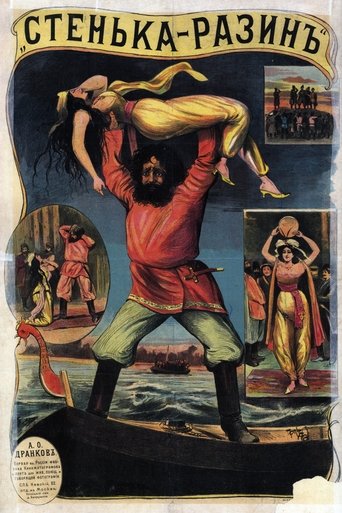
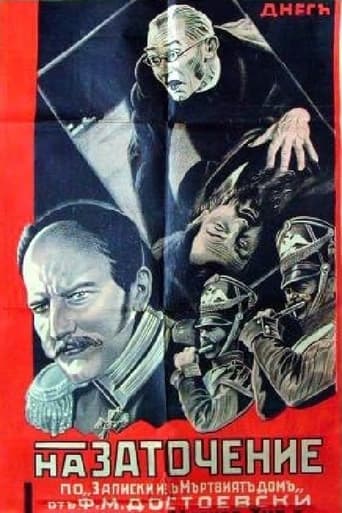
Figure in early Russian cinema, active during the crucial transition from the silent era to the sound period. His career began in 1908 when he directed 'Stenka Razin,' placing him among the very first filmmakers in Russia during the birth of narrative cinema. Over his nearly three-decade career, he witnessed and participated in the dramatic evolution of filmmaking technology and techniques. As both an actor and director, Romashkov contributed to the development of Russian cinematic language during a period of tremendous artistic and political change. His work spanned the late Tsarist era, the Russian Revolution, and the formative years of Soviet cinema. By the 1930s, he had transitioned primarily to acting, appearing in significant films like 'House of the Dead' and 'Three Comrades,' demonstrating his versatility and longevity in the rapidly changing film industry. His career represents the journey of early cinema pioneers who adapted to multiple roles as the art form matured.
The Craft
On Screen
While specific details about Vladimir Romashkov's acting style are not well documented in available sources, actors of his generation in Russian cinema typically drew from theatrical traditions adapted for the screen. Early Russian actors often employed exaggerated gestures and expressions suitable for silent films, then had to adapt their techniques for the more subtle requirements of sound cinema. Given his longevity in the industry, Romashkov likely demonstrated considerable versatility in transitioning between these different acting paradigms.
Behind the Camera
As a director in 1908, Vladimir Romashkov would have been working at the very dawn of narrative filmmaking. Directors of this era in Russia were influenced by theatrical staging and often used static cameras with basic compositions. 'Stenka Razin' being an early Russian film suggests Romashkov was among the pioneers exploring how to tell stories visually, likely using the limited cinematic techniques available at the time. His work would have contributed to establishing the foundations of Russian film language before the revolutionary experiments of the 1920s.
Milestones
- Directed 'Stenka Razin' (1908), one of Russia's earliest narrative films
- Acted in 'House of the Dead' (1932)
- Appeared in 'Three Comrades' (1935)
- Transitioned successfully from silent films to talkies
- Active years covered nearly three decades of Russian cinema history
Best Known For
Must-See Films
Why They Matter
Impact on Culture
Vladimir Romashkov's contribution to early Russian cinema is significant primarily due to his work in 1908, a period when Russian cinema was just beginning to establish itself as an art form. By directing 'Stenka Razin,' he participated in creating some of the first narrative films in Russia, helping to lay the groundwork for the rich cinematic tradition that would follow. His nearly three-decade active years covered. His ability to continue working as both director and actor through these dramatic changes reflects both his adaptability and the evolving nature of the Russian film industry itself.
Lasting Legacy
Vladimir Romashkov represents the generation of cinema pioneers who witnessed and shaped the birth of film as an art form. His early work as a director in 1908 places him among the foundational figures of Russian cinema, preceding the famous Soviet montage theorists like Eisenstein and Pudovkin. While his name may not be as widely recognized as some of his contemporaries who gained international fame, his contribution to establishing narrative filmmaking in Russia is historically significant. His career trajectory from directing in the silent era to acting in sound films exemplifies the journey of many early cinema professionals who had to constantly reinvent themselves as the medium evolved.
Who They Inspired
The specific influence of Vladimir Romashkov on subsequent generations of filmmakers is difficult to trace due to limited documentation of his work and methods. However, as an early director in 1908, he would have been part of the collective effort to establish the visual language of cinema in Russia. His work on 'Stenka Razin' contributed to the early development of narrative techniques that would later be refined and revolutionized by the famous Soviet directors of the 1920s. His longevity in the industry, transitioning from directing to acting, demonstrates the versatility required of early cinema professionals and may have served as a model for others navigating the rapidly changing film landscape of the early 20th century.
Off Screen
Specific details about Vladimir Romashkov's personal life are not available in the documented sources. As someone who worked in Russian cinema during the tumultuous period from 1908 to 1935, he would have experienced the dramatic social and political transformations of the Russian Revolution and the establishment of the Soviet Union. His career longevity during this period suggests either remarkable adaptability to changing political circumstances or alignment with the new Soviet cultural policies.
Did You Know?
- Directed 'Stenka Razin' in 1908, making him one of Russia's first film directors
- His active years covered the silent era and the transition to sound films
- Worked during
- Transitioned from directing to acting during his career
- His filmography bridges the gap between Tsarist and Soviet cinema
- Appeared in films during the early Stalinist period of Soviet cinema
- Was part of the first generation of Russian filmmakers to work with narrative storytelling
- His nearly 30-year career demonstrates remarkable longevity in an era of rapid change
Frequently Asked Questions
Who was Vladimir Romashkov?
Russian actor and on YTB.my. He directed one of Russia's earliest narrative films, 'Stenka Razin' in 1908, and later appeared as an actor in films including 'House of the Dead' (1932) and 'Three Comrades' (1935).
What films is Vladimir Romashkov best known for?
Titles linked here include Stenka Razin (1908), House of the Dead (1932).
When was Vladimir Romashkov born and when did he die?
The exact birth and death dates of Vladimir Romashkov are not documented in available sources. His known active years covered from 1908 to 1935, placing his professional life during the late Tsarist era through the early Soviet period.
What awards did Vladimir Romashkov win?
There are no documented awards or honors for Vladimir Romashkov in the available sources. As an early cinema pioneer working in Russia during the early 20th century, formal recognition systems for filmmaking were not yet established during much of his career.
What was Vladimir Romashkov's directing style?
As a director in 1908, Romashkov worked at the dawn of narrative filmmaking in Russia. Directors of this era typically used static cameras and theatrical staging, as cinematic techniques were still being developed. His work on 'Stenka Razin' would have contributed to establishing early visual storytelling methods in Russian cinema.