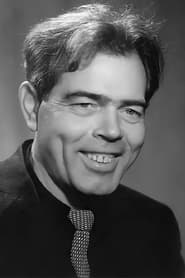
Stepan Krylov
Actor
Born: January 20, 1910 in Saint Petersburg, Russian Empire Died: June 20, 1998 Active: 1932-1982 Birth Name: Stepan Alexandrovich Krylov
Films
5 films
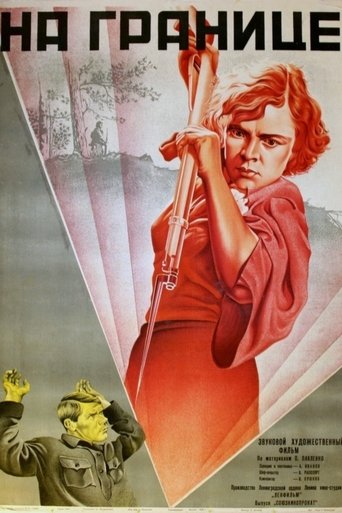
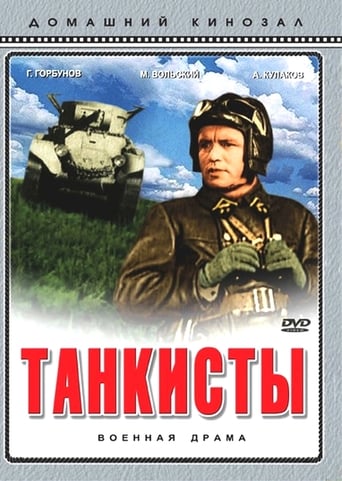
About Stepan Krylov
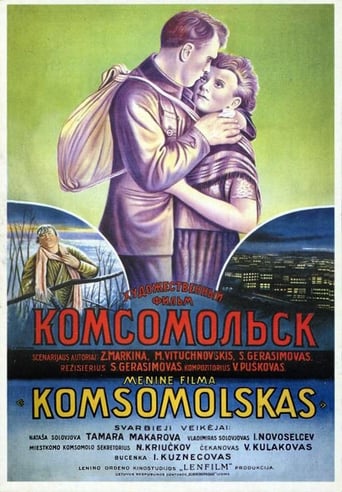
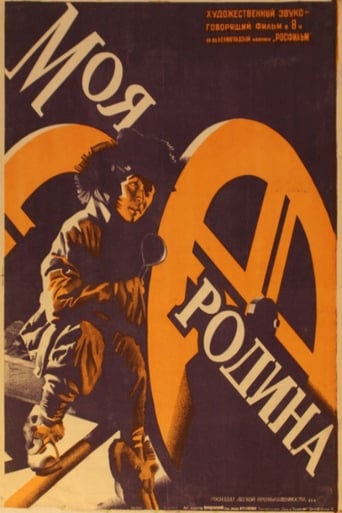
Stepan Alexandrovich Krylov — prominent Soviet actor whose five decades, beginning in the early 1930s during the formative years of Soviet sound cinema. He emerged as a reliable character actor during the Stalinist era, appearing in numerous propaganda films that celebrated Soviet achievements and revolutionary history. His early work in films like 'My Motherland' (1933) and 'Komsomolsk' (1938) established him as a familiar face in Soviet cinema, often portraying loyal Soviet citizens and workers. Throughout the 1940s and 1950s, he continued to work steadily in the state-controlled film industry, adapting his performances to the changing political and cultural climate. Krylov's career demonstrated remarkable longevity, surviving multiple political shifts and continuing to work into the 1980s. He became particularly known for his ability to embody the ideal Soviet character in both dramatic and supporting roles. His later years saw him transition to more mature character roles, often playing fathers, collective farm leaders, and party officials in films that reflected Soviet values and ideology.
The Craft
On Screen
Krylov developed a naturalistic yet ideologically committed acting style that perfectly suited the requirements of Soviet socialist realism. His performances emphasized the collective over the individual, embodying the ideal Soviet citizen with sincerity and conviction. He possessed a strong screen presence with distinctive features that made him instantly recognizable to Soviet audiences. His technique combined methodical preparation with an ability to convey deep emotion through subtle facial expressions and controlled body language. Krylov was particularly adept at portraying the 'new Soviet man' - dedicated, selfless, and committed to communist ideals.
Milestones
- Film debut in 'My Motherland' (1933)
- Key role in 'Komsomolsk' (1938)
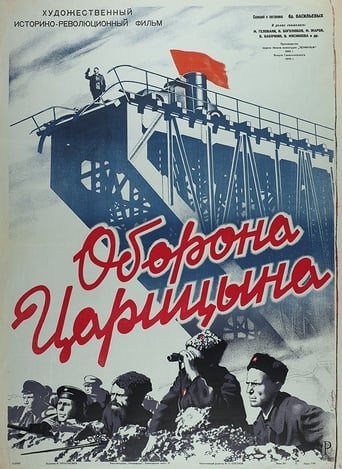
- Appeared in wartime propaganda 'Defense of Tsaritsyn' (1942)
- Career spanning 50 years in Soviet cinema
- Transitioned from leading man to character actor
- Honored as Honored Artist of the RSFSR
Best Known For
Iconic Roles
Must-See Films
Accolades
Won
- Honored Artist of the RSFSR
Special Recognition
- Honored Artist of the Russian Soviet Federative Socialist Republic
Working Relationships
Worked Often With
Studios
Why They Matter
Impact on Culture
Stepan Krylov contributed significantly to the development of Soviet cinema's visual language and character archetypes during its most formative decades. His performances helped establish the template for the ideal Soviet citizen in film, influencing how generations of Soviet viewers understood their national identity and social roles. As a working actor through multiple historical periods, he served as a cultural constant, his face becoming familiar to millions of Soviet citizens across decades of political and social change. His work in propaganda films during World War II was particularly significant in maintaining morale and promoting the Soviet war effort.
Lasting Legacy
Krylov's legacy lies in his extensive body of work that documents the evolution of Soviet cinema and society over five decades. His filmography serves as a valuable historical record of Soviet cultural production and state ideology. While not as internationally recognized as some of his contemporaries, within the Soviet context he was a respected and reliable character actor who embodied the values promoted by the state. His career demonstrates how actors could maintain longevity and respect within the Soviet system while adapting to changing political and artistic demands.
Who They Inspired
Krylov influenced subsequent generations of Soviet actors through his example of how to successfully navigate the state-controlled film industry while maintaining artistic integrity. His naturalistic approach to playing ideological characters provided a template for actors who needed to balance authentic performance with political requirements. His longevity in the industry showed younger actors how to sustain a career across multiple political regimes and artistic movements within the Soviet system.
Off Screen
Stepan Krylov lived through the dramatic transformations of 20th century Russia, from the final years of the Russian Empire through the Soviet era and into post-Soviet Russia. His personal life was largely private, as was common for Soviet actors who maintained a public image aligned with state values. He survived the Stalinist purges that affected many in the arts, suggesting either political reliability or careful navigation of the dangerous cultural landscape. His longevity in the film industry indicated both professional skill and political adaptability.
Did You Know?
- One of the few actors to work continuously from the early 1930s through the early 1980s in Soviet cinema
- Survived the Stalinist purges that ended many artistic careers
- Often typecast as the ideal Soviet worker or soldier
- His active years covered from silent films through the Golden Age of Soviet cinema
- Appeared in over 100 films throughout his career
- Worked with some of the most prominent Soviet directors of his era
- His face became familiar to millions of Soviet citizens through state-controlled cinema distribution
- Continued working well into his 70s
- Represented the 'everyman' character in many Soviet productions
Frequently Asked Questions
Who was Stepan Krylov?
Soviet with credits in this catalog. He was particularly known for playing loyal Soviet citizens, workers, and soldiers during the Stalinist era and beyond.
What films is Stepan Krylov best known for?
Titles linked here include My Motherland (1933), Komsomolsk (1938).
When was Stepan Krylov born and when did he die?
Born January 20, 1910; died June 20, 1998.
What awards did Stepan Krylov win?
Krylov was honored as an Honored Artist of the Russian Soviet Federative Socialist Republic (RSFSR), recognizing his significant contributions to Soviet cinema and culture.
What was Stepan Krylov's acting style?
Krylov developed a naturalistic acting style aligned with socialist realism, embodying the ideal Soviet citizen with sincerity and conviction, using subtle expressions to convey emotion while maintaining ideological authenticity.