Shanta Apte
Actor
Born: 1916 in Maharashtra, India Died: February 23, 1964 Active: 1934-1938
Films
5 films
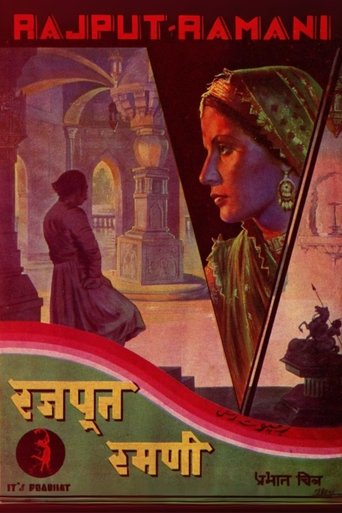
About Shanta Apte
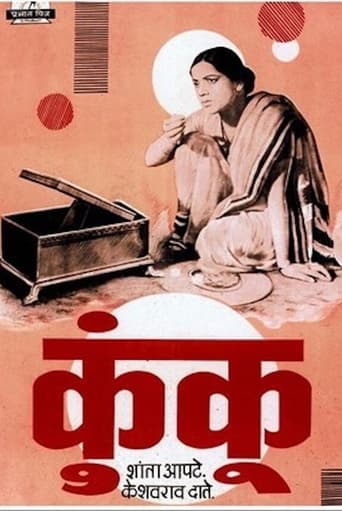
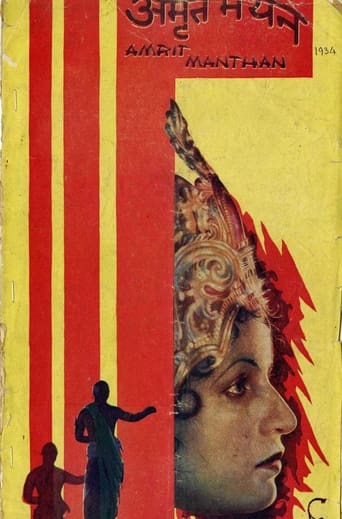
Actress and singer in early Indian cinema during the 1930s, emerging as one of the first female superstars of Indian talkies. She began her career with Prabhat Studios and quickly rose to prominence with her powerful performances and melodious voice. Her breakthrough role came in 'Amrit Manthan' (1934), which established her as a leading lady in the industry. Apte's most celebrated performance was in V. Shantaram's 'Kunku' (1937), a social drama that showcased her exceptional acting range and emotional depth. She was known for her ability to portray strong, independent female characters at a time when such roles were rare in Indian cinema. Her career, though relatively brief, on the golden era of Indian filmmaking, and she retired from films in the late 1930s at the height of her popularity. Apte's contribution to early Indian cinema was significant in establishing the template for the modern Indian film actress who could both act and sing with equal proficiency.
The Craft
On Screen
Shanta Apte was known for her naturalistic and emotionally intense acting style, which was revolutionary for her time. She brought a sense of realism and depth to her characters, moving away from the theatrical acting common in early Indian cinema. Her performances were characterized by subtle facial expressions, controlled body language, and the ability to convey complex emotions through her eyes. Apte had a particular talent for portraying strong-willed, progressive female characters who challenged societal norms, making her a favorite among directors who wanted to address social issues through cinema.
Milestones
- Breakthrough role in 'Amrit Manthan' (1934)
- Starred in the critically acclaimed 'Kunku' (1937)
- Became one of the highest-paid actresses of the 1930s
- Pioneered the actress-singer archetype in Indian cinema
- Worked with legendary director V. Shantaram multiple times
Best Known For
Iconic Roles
Must-See Films
Accolades
Special Recognition
- Recognized as one of the actresses of Indian cinema
- Remembered as an early feminist icon in Indian films
Working Relationships
Worked Often With
Studios
Why They Matter
Impact on Culture
Shanta Apte significantly influenced early Indian cinema by helping establish the template for the modern Indian film heroine. Her portrayal of strong, independent female characters in films like 'Kunku' challenged traditional gender roles and contributed to early feminist discourse in Indian cinema. She was among the first actresses to successfully combine acting prowess with singing talent, setting a precedent for future generations of Indian film actresses. Her work with Prabhat Studios during their golden era helped establish the studio's reputation for producing socially relevant and artistically superior films.
Lasting Legacy
Shanta Apte's legacy lies in her role as one of India's first female superstars who could act and sing with equal excellence. Though her career was brief, her impact on Indian cinema was substantial, particularly in establishing the actress-singer archetype that would dominate Indian cinema for decades. Her performances in socially relevant films like 'Kunku' demonstrated cinema's potential as a medium for social change. Film historians and critics continue to recognize her as a trailblazer who helped shape the early sound era of Indian cinema and paved the way for future generations of actresses.
Who They Inspired
Shanta Apte influenced subsequent generations of Indian actresses by demonstrating that female leads could carry films with their acting talent and musical abilities. Her success in portraying strong, independent characters inspired filmmakers to create more substantial roles for women in Indian cinema. The naturalistic acting style she employed influenced the transition away from theatrical performances toward more realistic portrayals in Indian films. Her combination of beauty, talent, and screen presence set a new standard for what audiences expected from leading ladies in Indian cinema.
Off Screen
Shanta Apte was known for her independent spirit and strong personality, both on and off screen. She married businessman Jagannath Karmarkar and eventually retired from films to focus on her family life. Despite her short career span, she maintained her popularity and was remembered fondly by audiences long after her retirement. Her decision to leave films at the peak of her career was seen as unconventional at the time, reflecting her independent nature.
Education
Limited information available about her formal education, but she received training in classical music which contributed to her singing abilities in films.
Family
- Jagannath Karmarkar
Did You Know?
- She was one of the highest-paid actresses of the 1930s in Indian cinema
- Shanta Apte could sing in multiple languages, which was rare for actresses of her time
- Her film 'Kunku' was one of the first Indian films to deal with the subject of child marriage
- She retired from films at the height of her career, which was unusual for actresses of that era
- Apte was known for her punctuality and professionalism on film sets
- She was among the first Indian actresses to have a fan following that extended across different regions of India
- Her performances were studied by later actresses as examples of naturalistic acting in early Indian cinema
- She worked primarily with Prabhat Studios,
In Their Own Words
I believe an actress should not just entertain but also make people think about important social issues
Cinema is a powerful medium to bring about social change and I want to be part of that change
Frequently Asked Questions
Who was Shanta Apte?
Indian actress and singer who rose to fame in the 1930s during the early sound era of Indian cinema. She was known for her naturalistic acting style and her ability to portray strong, independent female characters, making her one of the first female superstars of Indian talkies.
What films is Shanta Apte best known for?
Titles linked here include Kunku (1937), Amrit Manthan (1934).
When was Shanta Apte born and when did she die?
Born 1916; died February 23, 1964.
What awards did Shanta Apte win?
While formal award systems were not established in Indian cinema during her active years, Shanta Apte received critical acclaim and recognition for her performances. She is remembered today as a actress who contributed significantly to the development of Indian cinema, particularly in establishing the actress-singer archetype.
What was Shanta Apte's acting style?
Shanta Apte was known for her naturalistic and emotionally intense acting style, which was revolutionary for her time. She moved away from the theatrical acting common in early Indian cinema, instead using subtle expressions and controlled body language to convey complex emotions, particularly in portraying strong-willed female characters who challenged societal norms.