
Films
6 films
About Gabrielle Lange
French actress who worked during the early years of cinema, appearing primarily in short comedies. Her career was brief but notable for her collaborations with the popular French comic actor Max Linder, one of the first international film stars. Gabrielle appears alongside Linder in at least three of his short films between 1911 and 1912, including 'Max and His Mother-in-Law' and 'Max Takes Tonics', where she often played the female lead or a significant supporting role opposite him. These films were typical of the era's slapstick comedies, relying on visual gags and situational humor. Her work with Linder places her within the foundational period of French cinematic comedy, a time when the industry was still developing its stars and storytelling techniques. Unfortunately, like many performers from this transitional period, detailed records of her life and career are scarce, and she seemingly vanished from the film industry after 1912. Her legacy remains tied to her role as one of Max Linder's early screen partners, contributing to the development of the romantic comedy dynamic in silent film.
The Craft
On Screen
As an actress in early French slapstick, Gabrielle Lange's style would have been rooted in broad physical gestures and expressive pantomime, typical of the silent era. Her performances were designed to be understood universally without dialogue, relying on facial expressions and body language to convey emotion and humor. In her roles opposite Max Linder, she likely served as both a romantic interest and a comedic foil, reacting to his antics with a mix of exasperation and affection, a dynamic central to their films' appeal.
Milestones
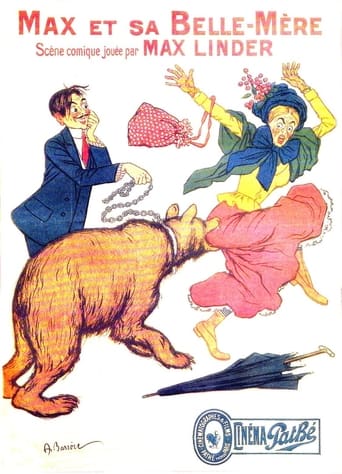
- Co-starred with Max Linder in 'Max and His Mother-in-Law' (1911)
- Appeared in the popular short comedy 'Max Takes Tonics' (1911)
- Featured in 'Max and Jane Want to Do Theater' (1912), showcasing her range in a theatrical setting
Best Known For
Iconic Roles
Must-See Films
Working Relationships
Worked Often With
Studios
Why They Matter
Impact on Culture
Gabrielle Lange's cultural impact is primarily contextual, tied to her role as a representative of early 20th-century French film actresses. By working with a major star like Max Linder, she contributed to the popularization of the cinematic comedy format and helped establish the character archetypes that would define the genre for decades. Her presence in these films highlights the early, though often uncredited, role of women in shaping on-screen comedy, serving as more than just props but as active participants in the narrative humor.
Lasting Legacy
The legacy of Gabrielle Lange is that of a pioneer from a formative, yet often overlooked, era of cinema. While she did not achieve lasting fame, her films survive as artifacts of early French comedy and the work of Max Linder. For film historians, she represents the countless supporting actors and actresses who were essential to the success of early film stars, their contributions now being rediscovered and appreciated through archival screenings and restorations. Her work provides a valuable window into the performance styles and gender dynamics of silent-era European cinema.
Who They Inspired
As a performer with a very short and undocumented career, Gabrielle Lange's direct influence on subsequent actors is difficult to trace. However, her participation in establishing the comedic 'straight man' or romantic foil role in early slapstick films contributed to a template that countless actresses would follow in both silent and sound comedies. Her work, as part of the Max Linder series, was part of an influential body of French cinema that predated and influenced American slapstick, including the work of Charlie Chaplin.
Off Screen
Very little is documented about the personal life of Gabrielle Lange. Her brief film career in the early 1910s suggests she may have been a stage actress who transitioned to the new medium of cinema for a short period, as was common at the time. The lack of further records indicates she either left the entertainment industry entirely or perhaps married and changed her name, making her difficult to trace through historical archives.
Did You Know?
- Her entire known filmography consists of only three short films, all made within a two-year span.
- All of her identified film roles were opposite the same leading man, Max Linder, one of the first true international movie stars.
- Her film 'Max and Jane Want to Do Theater' is a meta-comedy, about characters who want to become actors, blurring the line between her real-life profession and her on-screen role.
- The films she appeared in were produced by Pathé Frères, the world's largest film production company in the early 1900s.
- Like many early film actors, her personal details, such as her birth date and real name, have been lost to history, a common fate for performers of the silent era who were not major stars.
- Her career appears to have ended before the major feature-length films of the 1910s took hold, placing her firmly in the 'short film' period of cinema.
Frequently Asked Questions
Who was Gabrielle Lange?
French actress active in the early silent film era, known for her roles in short comedies. She is primarily remembered for co-starring with the influential comic actor Max Linder in three films between 1911 and 1912.
What films is Gabrielle Lange best known for?
Titles linked here include Max and His Mother-in-Law (1911), Max Takes Tonics (1911).
When was Gabrielle Lange born and when did she die?
Unfortunately, the exact dates of Gabrielle Lange's birth and death are not known. Historical records for supporting actors from this early period of cinema are often incomplete, and her personal details have been lost over time.
What awards did Gabrielle Lange win?
Gabrielle Lange did not receive any major awards or nominations. The major film award ceremonies, such as the Academy Awards, were not established until many years after her brief career had ended.
What was Gabrielle Lange's acting style?
Her acting style was typical of the silent slapstick era, relying on expressive physicality and pantomime to convey humor and emotion. She often played the romantic lead or comedic foil to Max Linder's character, a key dynamic in their short films.
Why is Gabrielle Lange's filmography so short?
Her career appears to have been very brief, lasting only from 1911 to 1912. This was not uncommon for actors in the early film industry, who might work for a short time before leaving the profession or transitioning to other work, often with little documentation of their reasons for departing.
What was Gabrielle Lange's connection to Max Linder?
Frequent screen partner of Max Linder during this period. Linder was a major international star, and her roles alongside him place her within the significant early comedy movement that he helped pioneer in France before influencing figures like Charlie Chaplin.