
Films
3 films
About Anton De Verdier
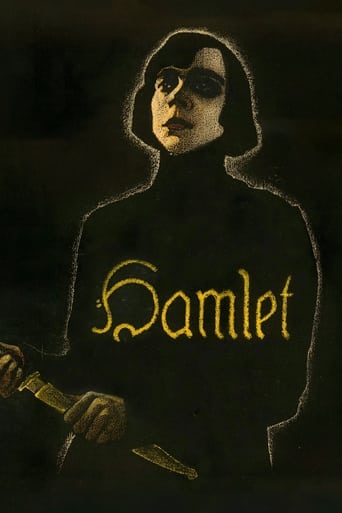
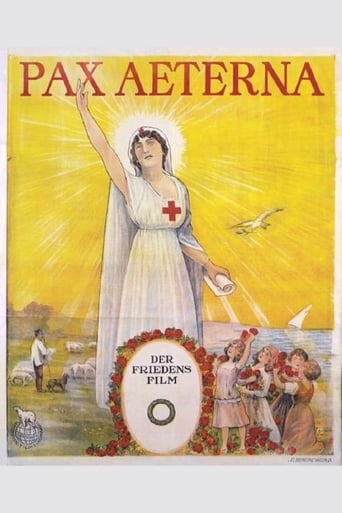
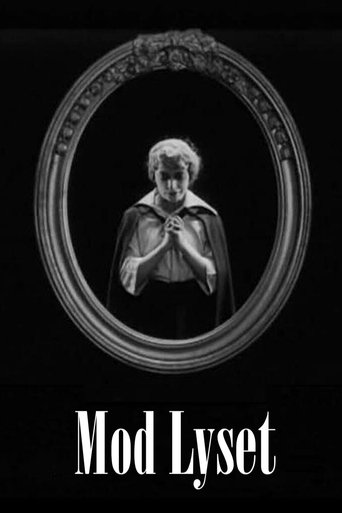
Actor during the silent film era, primarily active in the late 1910s and early 1920s. His known filmography includes appearances in 'Peace on Earth' (1917), 'Towards the Light' (1919), and 'Hamlet' (1921). Like many actors of this period, his career was likely impacted by the transition to sound films in the late 1920s. The brevity of his documented film career suggests he may have been a character actor or supporting player rather than a leading star. His participation in a 1921 adaptation of 'Hamlet' indicates he worked on productions of literary significance during the silent era, contributing to early cinematic adaptations of classic literature.
The Craft
On Screen
As a silent era actor, Anton De Verdier would have employed the exaggerated physical gestures and facial expressions characteristic of the period, using body language to convey emotions and narrative without dialogue. His participation in dramatic productions suggests he was skilled at the theatrical style required for silent film acting.
Milestones
- Appeared in 'Peace on Earth' (1917)
- Starred in 'Towards the Light' (1919)
- Participated in 'Hamlet' (1921) adaptation
- Worked during the peak of the silent film era
- Contributed to early literary adaptations in cinema
Best Known For
Must-See Films
Why They Matter
Impact on Culture
As a supporting actor from the silent era, Anton De Verdier contributed to the early development of cinema during its formative years. His participation in literary adaptations like 'Hamlet' (1921) reflects the artistic ambitions of early filmmakers to bring classic literature to the screen. Like many actors of his generation, his work represents the transitional period in cinema history before the advent of sound changed the industry forever. His active years covered the crucial years following World War I, a time when European cinema was particularly innovative and influential.
Lasting Legacy
Anton De Verdier's legacy exists primarily through his surviving film work from the silent era. While not a major star, actors like him were essential to the film industry's growth, providing the supporting performances that helped establish narrative cinema as an art form. His career trajectory, spanning the crucial years of World War I and its aftermath, places him among the generation of performers who witnessed cinema's transformation from novelty to respected medium. His participation in early Shakespeare adaptations demonstrates the artistic aspirations of silent filmmakers.
Who They Inspired
Limited documentation exists regarding Anton De Verdier's specific influence on other performers or filmmakers. As a working actor during the silent era, he would have contributed to the development of screen acting techniques that preceded the more naturalistic styles of the sound era. His work in literary adaptations may have helped establish conventions for bringing theatrical works to the silver screen.
Off Screen
Limited information is available about Anton De Verdier's personal life, which is common for supporting actors from the silent era who were not major public figures. Many actors from this period had their personal details poorly documented in historical records, especially those who worked primarily in supporting or character roles.
Did You Know?
- Worked during the silent film era's peak years
- Appeared in a 1921 adaptation of Shakespeare's 'Hamlet'
- His documented career spans only four years (1917-1921)
- Like many silent era actors, his career may have ended with the transition to sound films
- Participated in films during the aftermath of World War I, a period of significant change in European cinema
- His filmography includes both original stories and literary adaptations
- The brevity of his known career suggests he may have been a character actor rather than a leading man
- Silent era actors often had to develop their own makeup and costume techniques
- Early film actors frequently performed their own stunts due to limited specialization
- Many silent era performers came from theatrical backgrounds, transitioning from stage to screen
Frequently Asked Questions
Who was Anton De Verdier?
with credits in this catalog. He appeared in films including 'Peace on Earth' (1917), 'Towards the Light' (1919), and 'Hamlet' (1921), contributing to early cinema during its formative years.
What films is Anton De Verdier best known for?
Titles linked here include Peace on Earth (1917), Towards the Light (1919).
When was Anton De Verdier active as an actor?
Based on available filmography records, Anton De Verdier was active as an actor from 1917 to 1921, placing his career during the height of the silent film era and the period immediately following World War I.
What was Anton De Verdier's role in film history?
As a silent era actor, Anton De Verdier contributed to early cinema during its formative years. His participation in literary adaptations like 'Hamlet' reflects the artistic ambitions of filmmakers of this period, and his work represents the transitional era before sound revolutionized the industry.
Why is there limited information about Anton De Verdier?
Limited information about Anton De Verdier is common for supporting actors from the silent era, as extensive records were not always maintained for performers who were not major stars. Many such actors' careers were also disrupted by the industry's transition to sound films in the late 1920s, and historical documentation from this period can be incomplete.