
Films
4 films
About Rajlakshmi Devi
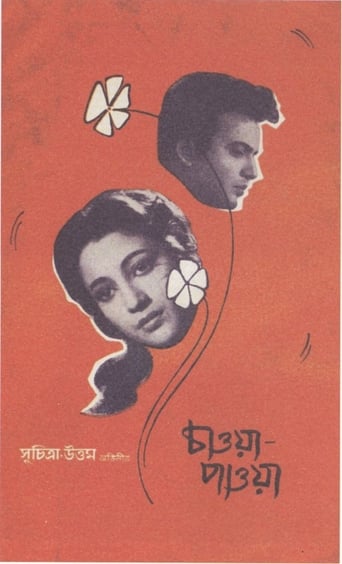
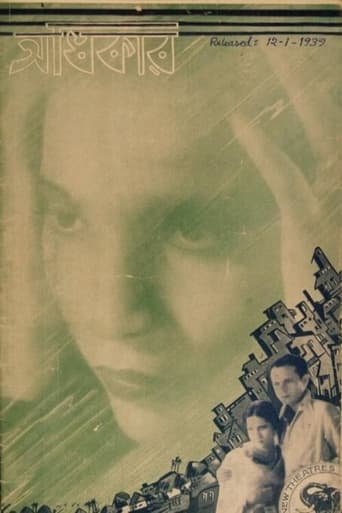
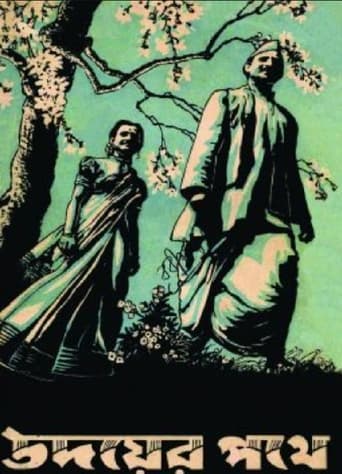
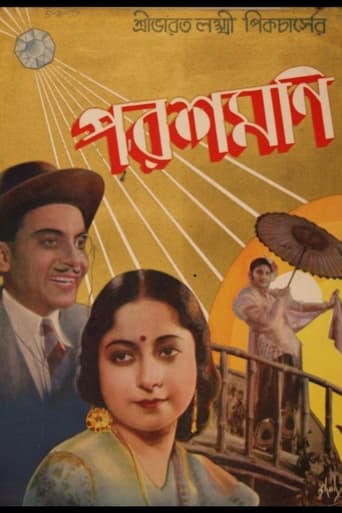
Actress in the golden era of Bengali cinema, active from the late 1930s through the 1950s. She emerged as a prominent figure during the formative years of Indian talkies, establishing herself as a versatile performer capable of portraying complex emotional characters. Her breakthrough came with appearances in two significant films in 1939 - 'Adhikar' and 'Parashmoni' - which showcased her natural acting style and screen presence. The pinnacle of her career arrived with 'Udayer Pathey' (1944), a landmark film directed by Bimal Roy that became a critical and commercial success, establishing new benchmarks in Indian cinema. Throughout her career, she demonstrated remarkable adaptability, transitioning from the theatrical style of early talkies to the more naturalistic approach that emerged in the 1940s. Her final notable appearance was in 'Chaowa Pawa' (1959), marking the end of a two-decade-long career that significantly contributed to the development of Bengali cinema. Despite the limited documentation of early Indian cinema, her performances continue to be remembered for their emotional depth and technical excellence.
The Craft
On Screen
Rajlakshmi Devi was known for her naturalistic acting style that evolved from the theatrical traditions of early Indian cinema to more subtle and nuanced performances. She possessed the ability to convey deep emotions through minimal gestures and expressions, a skill that was particularly valuable during the transition period of Indian cinema. Her performances were characterized by emotional authenticity and a sophisticated understanding of character psychology, setting her apart from many contemporaries who relied on more exaggerated techniques. She demonstrated remarkable versatility in adapting her style to suit different directors' visions while maintaining her unique artistic identity.
Milestones
- Breakthrough performances in Adhikar (1939) and Parashmoni (1939)
- Starred in the landmark film Udayer Pathey (1944) directed by Bimal Roy
- Appeared in Chaowa Pawa (1959) in her later career
- Contributed to the development of Bengali cinema during its golden era
- Worked during the transition from theatrical to naturalistic acting styles in Indian cinema
Best Known For
Iconic Roles
Must-See Films
Accolades
Special Recognition
- Recognized as a actress of Bengali cinema's golden era
- Contributor to the landmark film Udayer Pathey, which is considered a classic of Indian cinema
Working Relationships
Worked Often With
Studios
Why They Matter
Impact on Culture
Rajlakshmi Devi played a significant role in shaping Bengali cinema during its crucial formative years. Her participation in landmark films like 'Udayer Pathey' contributed to establishing new standards of filmmaking in India, particularly in terms of realistic storytelling and naturalistic performances. As a woman working in cinema during the 1930s and 1940s, she helped pave the way for future generations of actresses in Indian cinema. Her work represented the transition from the heavily theatrical style of early talkies to more sophisticated, cinema-specific acting techniques that would define the golden age of Indian cinema.
Lasting Legacy
Rajlakshmi Devi's legacy endures through her contributions to classic Bengali cinema, particularly her role in 'Udayer Pathey,' which remains a significant film in Indian cinema history. She represents the generation of actresses who helped establish the foundation for Indian cinema's artistic development. Though detailed documentation of her career is limited, her performances continue to be studied by film historians interested in the evolution of acting styles in Indian cinema. Her work serves as an important reference point for understanding the transition from theatrical to cinematic acting in the Indian context.
Who They Inspired
Rajlakshmi Devi influenced subsequent generations of Bengali actresses through her naturalistic approach to performance during a period when Indian cinema was developing its own distinct identity. Her ability to convey complex emotions with subtlety and authenticity helped establish new standards for acting in Indian cinema. The success of films like 'Udayer Pathey' demonstrated the commercial and critical viability of more realistic performances, influencing the direction of Bengali and Indian cinema for decades to come.
Off Screen
Very limited documentation exists about Rajlakshmi Devi's personal life, which was common for many early Indian cinema actors whose personal details were not extensively recorded. Like many actresses of her era, she maintained a private life separate from her public persona, focusing primarily on her craft and contributions to cinema. Her dedication to her art during a period when Indian cinema was establishing its identity demonstrated her commitment to the cultural development of the region.
Did You Know?
- Appeared in two significant films in the same year (1939): Adhikar and Parashmoni
- Starred in Udayer Pathey (1944), which was director Bimal Roy's directorial debut
- Udayer Pathey was remade in Hindi as 'Anjangarh' (1948)
- Her active years covered exactly two decades, from 1939 to 1959
- Worked during the golden age of Bengali cinema when it was producing some of India's most artistic films
- Part of the generation that helped transition Indian cinema from theatrical to naturalistic acting
- Limited documentation exists about her personal life, which was common for actors of her era
- Her filmography, though not extensive, includes some of the most important films in Bengali cinema history
Frequently Asked Questions
Who was Rajlakshmi Devi?
actress in Bengali cinema active from 1939 to 1959, known for her roles in classic films like Udayer Pathey (1944) and Adhikar (1939). She was part of the golden era of Bengali cinema and contributed significantly to its artistic development during the formative years of Indian talkies.
What films is Rajlakshmi Devi best known for?
Titles linked here include Udayer Pathey (1944), Adhikar (1939).
When was Rajlakshmi Devi born and when did she die?
Unfortunately, specific birth and death dates for Rajlakshmi Devi are not well-documented, which is common for many early Indian cinema actors. Active 1939–1959 in this catalog, placing her as an active contributor to Bengali cinema during its golden era.
What awards did Rajlakshmi Devi win?
While specific awards and nominations for Rajlakshmi Devi are not well-documented, she is recognized as a actress of Bengali cinema's golden era. Her contribution to landmark films like Udayer Pathey has earned her a place in the history of Indian cinema as an important early performer.
What was Rajlakshmi Devi's acting style?
Rajlakshmi Devi was known for her naturalistic acting style that evolved from theatrical traditions to more subtle, nuanced performances. She excelled at conveying deep emotions through minimal gestures and expressions, representing the transition from exaggerated early talkie acting to more sophisticated cinematic techniques.
How did Rajlakshmi Devi impact Bengali cinema?
She significantly impacted Bengali cinema by contributing to landmark films that established new standards for Indian filmmaking. Her work in Udayer Pathey helped demonstrate the viability of realistic performances and influenced the direction of Bengali cinema during its crucial formative years.
Was Rajlakshmi Devi affiliated with any particular film studio?
While complete studio affiliations are not well-documented, she was likely associated with New Theatres in Calcutta during the 1940s, which was a major production house responsible for many significant Bengali films of that era, including Udayer Pathey.