

Jack Curtis
Actor
Born: January 8, 1880 in San Francisco, California, USA Died: March 16, 1956 Active: 1915-1949 Birth Name: John William Curtis
Films
6 films
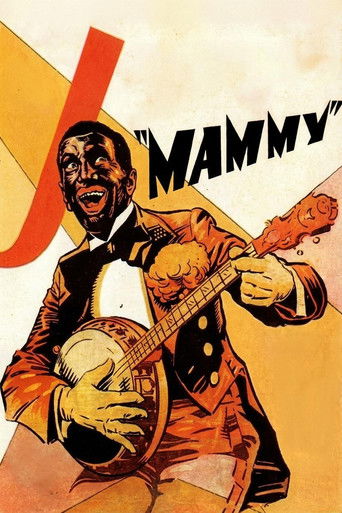
About Jack Curtis
prolific American character actor of the silent film era and early sound period — known for his imposing presence and versatility in portraying both villains and authority figures. Born in San Francisco in 1880, he began his film career in the mid-1910s and quickly established himself as a reliable supporting actor in Hollywood productions. Curtis appeared in over 150 films throughout his career, working with major studios including Paramount, Universal, and MGM. His most notable performance was in Erich von Stroheim's controversial masterpiece 'Greed' (1924), where he showcased his ability to portray complex, morally ambiguous characters. He successfully transitioned into sound films, though his roles gradually became smaller and often uncredited as his career progressed. Curtis continued working steadily through the 1930s and 1940s, appearing in numerous films as a character actor before retiring from the industry. His the transformative period of American cinema, from the early days of silent films through the advent of sound, making him a witness to and participant in the evolution of Hollywood.
The Craft
On Screen
Curtis embodied the dramatic acting style of the silent era, utilizing exaggerated gestures, intense facial expressions, and powerful body language to convey emotion and character motivation. His tall, imposing frame and deep voice made him particularly effective in roles requiring authority or menace. He had a commanding screen presence that allowed him to dominate scenes even with limited dialogue, a skill that proved valuable during the transition to sound films.
Milestones
- Appeared in Erich von Stroheim's 'Greed' (1924)
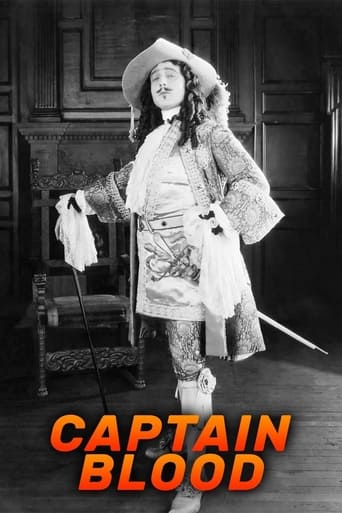
- Starred in 'Captain Blood' (1924)
- Transitioned successfully from silent films to talkies
- Appeared in over 150 films during his career
- Worked with major Hollywood studios including Paramount and MGM
Best Known For
Iconic Roles
Must-See Films
Working Relationships
Worked Often With
Studios
Why They Matter
Impact on Culture
Jack Curtis represents the working character actors who formed the backbone of Hollywood's golden age, providing essential support to leading actors and helping establish the visual language of cinema. His work in 'Greed' contributed to. As a silent film actor who successfully transitioned to sound, he exemplified the adaptability required of performers during this transformative period in film history. His numerous appearances across various genres helped establish the archetypes of character acting that would influence subsequent generations of performers.
Lasting Legacy
Jack Curtis left a lasting legacy as. His work in 'Greed' ensures his place in film history as part of one of cinema's most important productions. While never achieving leading man status, his consistent presence in films of the 1910s, 1920s, and 1930s made him a familiar face to movie audiences of the era. Today, film scholars and classic cinema enthusiasts recognize him as an important contributor to the development of American character acting, representing the professional journeymen who built the foundation of Hollywood's studio system.
Who They Inspired
Curtis influenced subsequent generations of character actors through his demonstration of how to create memorable supporting roles within the studio system. His ability to transition between villainous and sympathetic roles provided a template for versatility that many character actors would later emulate. His work in 'Greed' particularly influenced how actors could contribute to ensemble pieces without being the central focus, showing the importance of every role in creating a cohesive film narrative. His longevity in the industry during its most formative years made him a model for professional adaptability in the face of technological and artistic changes in filmmaking.
Off Screen
Jack Curtis was married to actress Vera Gordon, with whom he shared both personal and professional connections in the film industry. Their marriage lasted for many years, representing one of the stable relationships in early Hollywood. Curtis was known as a reliable professional on set, earning respect from directors and fellow actors for his work ethic and consistency. Outside of acting, he maintained a relatively private life, focusing on his craft and family rather than seeking celebrity status.
Education
Limited information available about his formal education, though he likely received theatrical training typical of actors of his era
Family
- Vera Gordon (1915-1956)
Did You Know?
- Appeared in over 150 films during his 34-year career
- Was married to actress Vera Gordon for over 40 years
- His most famous film 'Greed' was originally over 10 hours long before being edited down
- Worked with director Erich von Stroheim on multiple occasions
- Successfully made the transition from silent films to talkies when many actors did not
- Often played authority figures such as police captains, judges, and military officers
- His final film appearances were in the late 1940s, often in uncredited roles
- Began his career during the early years of Hollywood's establishment
- Was part of the generation of actors who helped establish the visual language of cinema
- His imposing physical presence made him a natural choice for villain roles
Frequently Asked Questions
Who was Jack Curtis?
Prolific American character with credits in this catalog. He was particularly known for his roles in 'Greed' (1924) and 'Captain Blood' (1924), often playing authority figures or villains.
What films is Jack Curtis best known for?
Titles linked here include Greed (1924), Captain Blood (1924).
When was Jack Curtis born and when did he die?
Born January 8, 1880; died March 16, 1956.
What awards did Jack Curtis win?
Jack Curtis did not receive major formal awards or nominations during his career, which was typical for character actors of his era. His recognition came primarily through his consistent work and the lasting impact of films like 'Greed'.
What was Jack Curtis's acting style?
Curtis employed the dramatic, expressive acting style typical of the silent era, using exaggerated gestures and intense facial expressions to convey emotion. His imposing physical presence and deep voice made him particularly effective in authority and villain roles, allowing him to command attention even in supporting parts.
Was Jack Curtis married?
Yes, Jack Curtis was married to actress Vera Gordon for over 40 years, from 1915 until his death in 1956. Their marriage was considered stable and long-lasting by Hollywood standards of the era.
How did Jack Curtis transition from silent to sound films?
Jack Curtis successfully transitioned from silent to sound films in the late 1920s, unlike many of his contemporaries who struggled with the change. His deep voice and theatrical training helped him adapt to talking pictures, though his roles gradually became smaller and often without on-screen billing in later years.
What was Jack Curtis's legacy in cinema?
Jack Curtis's legacy lies in his contribution to early Hollywood as a reliable character actor who appeared in over 150 films. His work in 'Greed' ensures his place in film history, and his career represents the journey of professional actors who helped build Hollywood's studio system during its formative years.