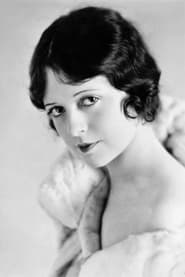
June Marlowe
Actor
Born: November 6, 1903 in Staten Island, New York, United States Died: March 10, 1984 Active: 1925-1930 Birth Name: Helen June Clymer
Films
3 films
About June Marlowe
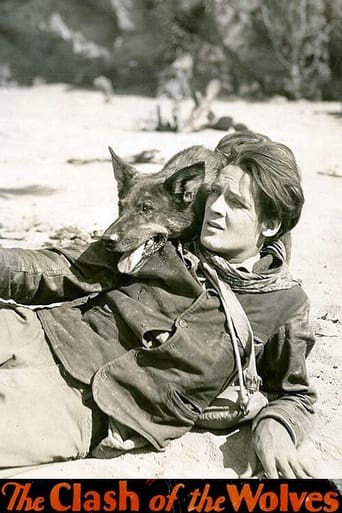
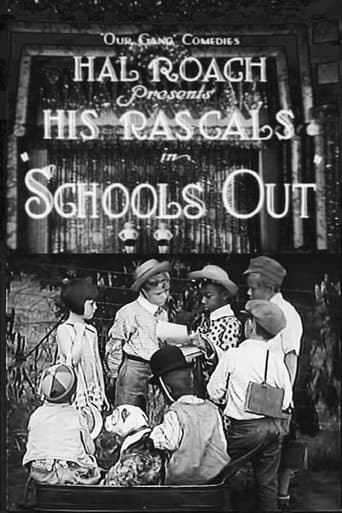
American film actress best remembered today for her work in silent westerns, early sound pictures, and especially for her association with Hal Roach comedy shorts. Born Helen June Clymer, she entered the film industry during the silent era and built a career as a poised, attractive leading lady who could play both romantic interests and wholesome authority figures. One of her best-known early roles was in the Rin Tin Tin feature Clash of the Wolves (1925), which helped establish her as a recognizable screen presence in action-oriented family entertainment. She later became widely associated with the Our Gang series, where her portrayal of the schoolteacher Miss Crabtree made her beloved adult figures in early film comedy. Although her screen career was relatively brief, ending in the early sound era, her work left a durable impression because of the enduring popularity of the Our Gang shorts. Marlowe retired from acting while still young and later lived a largely private life, which has contributed to the aura of mystery that surrounds her today. Her surviving film appearances continue to be studied and appreciated by classic film enthusiasts for their grace, warmth, and quiet star quality.
The Craft
On Screen
June Marlowe's acting style was suited to both silent and early sound cinema, combining expressive but restrained facial acting with a calm, composed screen presence. In silent films she relied on graceful movement, clear emotional readability, and a polished photogenic quality that fit romantic and adventure roles. In the Our Gang shorts, she played Miss Crabtree with a gentle firmness and understated comic timing, projecting intelligence and patience rather than broad slapstick. Her performances often depended on warmth, poise, and a subtle authority that made her memorable even in relatively limited screen time.
Milestones
- Appeared in the Rin Tin Tin adventure film Clash of the Wolves (1925), one of the notable animal-star vehicles of the silent era
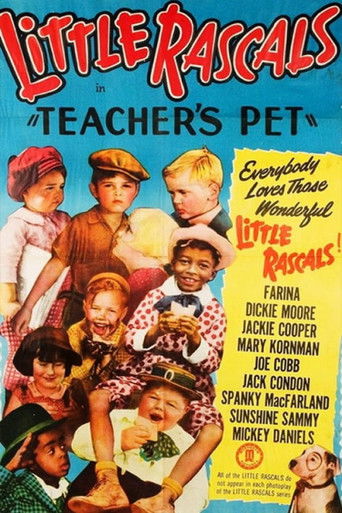
- Became widely remembered for playing Miss Crabtree in Hal Roach's Our Gang shorts, especially Teacher's Pet (1930)
- Worked steadily in silent and early sound pictures during the transitional period from silent film to talking pictures
- Established a screen persona marked by elegance, warmth, and a wholesome authority that made her a natural fit for family-oriented comedy
- Remained a fan favorite among classic film collectors and historians because of her iconic association with
Best Known For
Iconic Roles
Must-See Films
Working Relationships
Worked Often With
Studios
Why They Matter
Impact on Culture
June Marlowe's cultural impact rests primarily on her identity as Miss Crabtree,. In a series dominated by child performers and physical comedy, her character stood out as a model of kindness, discipline, and glamour, helping define the emotional world of the shorts. Her presence gave the films a warm-schoolroom fantasy element that resonated with audiences and has remained iconic in later generations of classic-film viewers. Even though she was not a long-term star, her image has become inseparable from the early history of American screen comedy and from the enduring popularity of the Our Gang brand.
Lasting Legacy
June Marlowe's legacy is disproportionately large compared with the length of her film career because her best-known role became permanently embedded in American popular memory. Film historians and fans continue to cite her as one of the definitive Miss Crabtrees, and her appearance in Teacher's Pet remains a touchstone for discussions of Hal Roach's family comedies. She is also remembered as part of the generation of silent-era actresses whose careers bridged the transition into sound, a period that reshaped Hollywood and ended many screen careers. Her lasting presence in retrospectives, stills, and classic-film programming has ensured that she remains recognized as a small but important figure in early Hollywood history.
Who They Inspired
Marlowe influenced the way adult female authority figures could be portrayed in children's comedy: attractive without being threatening, authoritative without being severe, and comic without becoming a caricature. Her Miss Crabtree helped establish a template for the charming schoolteacher or caretaker in later family entertainment. While she was not a major mentor figure in the industry, her surviving performances have influenced later depictions and homages in media that reference the Our Gang shorts or early Hollywood classroom comedies. Her legacy also reminds historians that supporting performers can become culturally iconic through a single enduring role.
Off Screen
June Marlowe was born Helen June Clymer and later adopted June Marlowe as her professional name. Like many performers of the silent and early sound eras, she kept much of her private life out of the spotlight, and fewer personal details survive than for many contemporary stars. She retired from film relatively early, which further limited public reporting on her later years. Available historical accounts describe her as a private individual who did not remain a highly public celebrity after leaving the screen.
Education
No reliable public record of formal education is commonly cited in standard film reference sources; she appears to have entered performance work through the film industry rather than through a documented theatrical training system.
Did You Know?
- She was born Helen June Clymer but is best known by her stage name, June Marlowe.
- Her most famous role, Miss Crabtree, became one of the signature adult characters in the Our Gang comedy shorts.
- Teacher's Pet (1930) is often cited as her best-known screen appearance.
- She also appeared in Clash of the Wolves (1925), a popular silent vehicle for the canine star Rin Tin Tin.
- Her active years covered the transition from silent films to early talkies, a difficult period that ended many careers.
- Despite her fame among classic-film fans, she left the screen relatively early and did not maintain a long public celebrity career.
- She is especially remembered for her polished, elegant appearance and gentle authority on screen.
- Her role as Miss Crabtree has remained.
Frequently Asked Questions
Who was June Marlowe?
American actress of the silent and early sound eras, best remembered for playing Miss Crabtree in the Our Gang comedy shorts. She also appeared in films such as Clash of the Wolves (1925) and became a familiar face in family entertainment of the late 1920s and early 1930s.
What films is June Marlowe best known for?
Titles linked here include Clash of the Wolves (1925), Teacher's Pet (1930).
When was June Marlowe born and when did she die?
Born November 6, 1903; died March 10, 1984.
What awards did June Marlowe win?
There are no widely documented major industry awards or nominations associated with June Marlowe in standard film reference sources. Her recognition comes primarily from her lasting popularity with classic-film audiences rather than from formal award honors.
What was June Marlowe's acting style?
Her acting style combined graceful silent-film expressiveness with a calm, warm authority that worked especially well in family comedy. She was not a broad comic performer; instead, she excelled at subtle reactions, polished screen presence, and a gentle but firm character type.
What is June Marlowe's legacy in film history?
Her legacy rests chiefly on her unforgettable portrayal of Miss Crabtree, a role that helped define the emotional tone of the Our Gang shorts. Though her career was short, her work remains a beloved part of early Hollywood comedy and silent-to-sound film history.