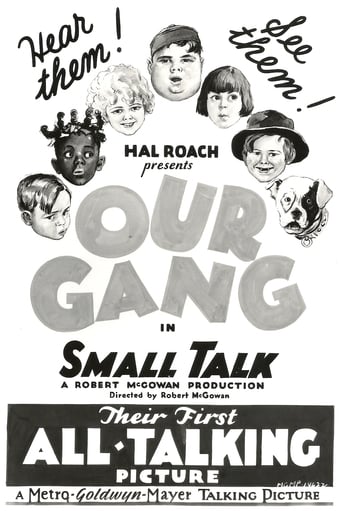
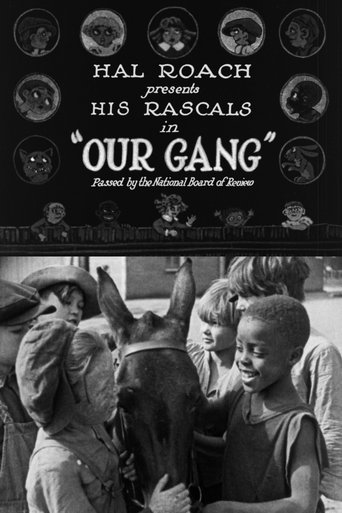
School's Out
Plot
At the Our Gang school, the children are upset when their beloved teacher Miss Crabtree leaves after getting married, forcing the class to face yet another substitute situation. When Miss Crabtree's brother visits, the children wildly misread his presence as a romantic courtship and begin inventing outrageous stories about their teacher in an attempt to scare him away. Their scheme spirals into a parade of absurd lies, misunderstandings, and juvenile sabotage that reflects the series' trademark blend of mischief and innocence. Meanwhile, the children are also involved in a side hustle selling answers for the upcoming oral exam, but their plan collapses when one of them relies on a book containing minstrelsy and blackface material as the source for the answers, creating an especially dated and troubling comic setup by modern standards. The film culminates in the usual Our Gang fashion, with the children's schemes unraveling and the group ending up in comic trouble while the schoolhouse chaos is restored to order.
About the Production
School's Out is an early sound-era Our Gang short produced under Hal Roach's supervision and directed by series regular Robert F. McGowan. The film continues the transition of the series from silent comedy to synchronized dialogue, with the children's speech-based banter and classroom antics built around the new possibilities of sound recording. It also reflects period comic attitudes and racial imagery that are now recognized as highly offensive, especially in the material involving a blackface and minstrelsy reference used as a source for mistaken study answers. Like many early MGM-era Our Gang shorts, it was produced quickly on studio backlots and soundstage sets that recreated a small-town schoolhouse environment.
Historical Background
School's Out was produced in 1930, at the dawn of the Great Depression and in the early years of widespread sound cinema. Hollywood was rapidly adjusting to the demands of synchronized dialogue, new microphone placement, and sound recording practices, and comedy shorts like Our Gang were ideal vehicles for experimenting with spoken banter and comic ensemble timing. At the same time, American popular culture still contained overtly racist imagery that had long been normalized in vaudeville, minstrel shows, advertising, and film; the film’s use of blackface/minstrelsy material reflects that historical context, even though it is now deeply offensive. The short also belongs to a moment when child-centered comedy was becoming a dependable theatrical attraction, offering audiences a mix of escapism, urban and rural childhood fantasy, and small-scale social satire during a period of economic uncertainty.
Why This Film Matters
The film is significant as part of the long-running Our Gang legacy, one of the most influential child-comedy franchises in American film history. The series helped define the idea of an ensemble of ordinary children rather than idealized juvenile stars, influencing later depictions of childhood friendship, mischief, and class-crossing play. School's Out also stands as a historical artifact of early sound comedy, showing how dialogue-based humor and schoolroom sketches could be built around the personalities of recurring child performers. At the same time, it is culturally important for the wrong reasons as well: its racial content demonstrates the depth of racist imagery in mainstream American entertainment before modern critiques transformed preservation, exhibition, and contextualization practices. Today, the film is often discussed not only as a comedy short but also as a document of the social attitudes embedded in early studio-era filmmaking.
Making Of
School's Out was made during a transitional period for the Our Gang series, when the shorts were adapting from silent slapstick to sound comedy under the studio system at Hal Roach. Robert F. McGowan, a longtime series architect, had a strong hand in shaping the children’s timing, ensemble behavior, and schoolroom mayhem, which were central to the franchise’s appeal. The production relied on familiar recurring characters and sets, which helped keep costs low and allowed the filmmakers to turn out shorts on a regular schedule. The film also reveals the period’s casual use of offensive racial caricature, a feature that has affected how later generations view and present the movie. Because the series was designed as a fast-moving production line, the film was assembled with efficiency rather than elaborate production design, but it still reflects the polished studio craftsmanship of early MGM-linked Hal Roach shorts.
Visual Style
The cinematography is typical of early 1930s studio short filmmaking: straightforward, functional, and designed to capture dialogue and group action clearly rather than to emphasize visual flourish. Most scenes are staged in relatively static compositions that keep the children and the schoolroom business legible in the sound era’s early recording conditions. The film likely relies on medium shots and ensemble framing to preserve the timing of the children's interactions and to allow spoken gags to land cleanly. Its visual style is practical and stage-like, with the schoolhouse setting serving as a controlled space for comic blocking and reaction shots.
Innovations
The main technical achievement is its successful use of early synchronized sound in a fast-paced ensemble comedy format. The film demonstrates how the Our Gang series adapted to the constraints and opportunities of sound, including clearer verbal gags and classroom noise as part of the comedy. Its production shows the studio’s ability to maintain consistent pacing and character-based humor across a high-volume short-subject output. It is not known for groundbreaking technical innovation, but it is representative of efficient early sound-era craft.
Music
As an early sound comedy short, the film’s soundtrack is primarily built around spoken dialogue, group reactions, and the comic rhythm of classroom exchanges rather than a prominent original musical score. Like many Hal Roach shorts of the period, any music would have been limited, functional, and secondary to the dialogue-driven comedy. The emphasis is on verbal misunderstanding, shouted interruptions, and the sonic texture of children talking over one another. No distinctive standalone score is widely documented for the film.
Famous Quotes
No widely documented individual quote from this short is consistently cited in reference sources.
The film is better remembered for situation comedy and ensemble banter than for a single famous line.
Memorable Scenes
- The children misinterpreting Miss Crabtree's brother as a romantic suitor and responding with a barrage of outrageous lies about their teacher.
- The schoolroom sequence in which the children attempt to profit from selling answers for the oral exam.
- The comic revelation that the 'answers' source is tied to a book of minstrelsy and blackface, turning the scheme into a darkly dated joke.
- The ensemble classroom chaos that follows the children’s escalating attempts to manipulate the situation.
- The recurring Miss Crabtree material that frames the children’s emotional attachment to their teacher while also driving the misunderstandings.
Did You Know?
- This is an Our Gang comedy short rather than a feature-length film, and it belongs to the early sound era of the series.
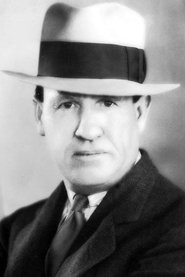
- Robert F. McGowan, one of the key creative figures in the Our Gang franchise, directed the film.
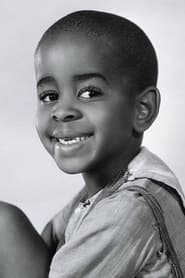
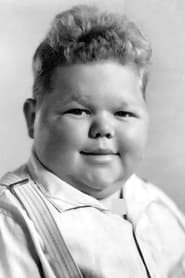
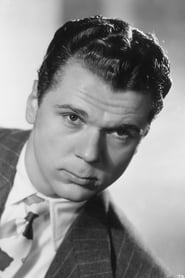
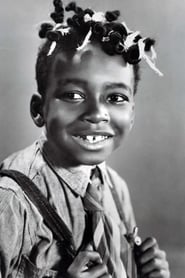
- The cast includes several of the most recognizable child performers in the series, including Jackie Cooper, Norman Chaney, and Matthew Beard.
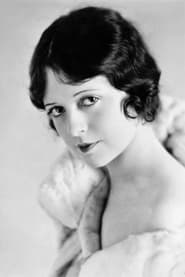
- Miss Crabtree is one of the best-known adult figures in the Our Gang universe, and this film uses her as the emotional center of the children’s schoolroom world.
- The plot’s joke involving minstrelsy and blackface is a reminder of how casually racist imagery could appear in mainstream American comedy in 1930.
- Like many Our Gang shorts, the film depends on the contrast between the children’s literal-mindedness and the adults’ assumptions.
- The schoolroom setting became one of the most enduring recurring environments in the series, allowing for repeated variations on classroom rebellion and childish entrepreneurship.
- The film is a good example of how the Our Gang shorts mixed innocent child behavior with social satire, especially around school discipline and authority figures.
- Early sound recording shaped the comedy, since much of the humor depends on dialogue, shouted interruptions, and classroom exchanges rather than silent pantomime.
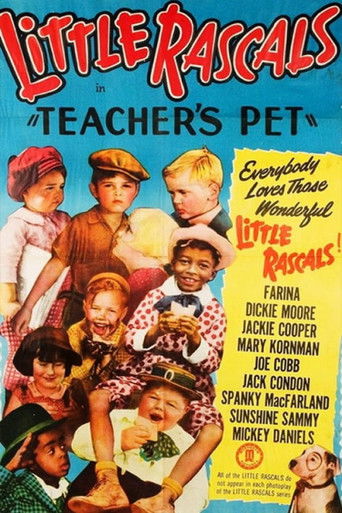
- The short survives as part of the broader Our Gang/ Little Rascals legacy and is frequently discussed in the context of early 1930s film racial representation.
What Critics Said
Contemporary reviews for many Our Gang shorts were generally favorable, with critics and exhibitors typically valuing the series for its reliability, broad family appeal, and the children’s natural comic timing, though surviving criticism specific to School's Out is limited. In later decades, the film has been reassessed through two very different lenses: as a lively example of early sound-era child comedy and as a problematic text containing racist imagery that modern viewers and archivists cannot ignore. Within film history writing on the series, it is usually treated as a representative rather than landmark entry—important for continuity of the franchise, but not typically singled out as one of the most famous titles. Modern reception depends heavily on historical framing, with some viewers focusing on the charm of the child performers and others on the offensive material and the ways it reflects 1930 entertainment norms.
What Audiences Thought
At the time of release, audiences familiar with the Our Gang brand likely received the film as another entertaining, dependable short featuring schoolhouse mischief and the familiar chemistry of the children. The series had a strong family audience, and the comic appeal of children outsmarting themselves, embarrassing authority figures, and turning ordinary school life into chaos was a reliable draw. Today, audience reaction is more divided: fans of classic shorts often appreciate the performances, period detail, and series continuity, while many viewers are strongly put off by the racist content and outdated stereotypes. As a result, contemporary audiences tend to watch the film with historical caution rather than simple nostalgia.
Film Connections
Influenced By
- Vaudeville child-comedy traditions
- Minstrel-show and schoolroom comedy conventions
- Hal Roach's earlier silent Our Gang shorts
- Early sound-era slapstick shorts
This Film Influenced
- Subsequent Our Gang / Little Rascals shorts
- Later ensemble child-comedies that use school settings and child-led mischief
- Television and film depictions of rambunctious peer-group childhood comedy
You Might Also Like
More Comedy Films
View allMore from Robert F. McGowan
View allFilm Restoration
The film is preserved as part of the surviving Our Gang / Little Rascals sound short library and is available through archival and home-video presentations, though quality can vary depending on source materials and restoration. It is not considered lost. Like many early sound shorts, it may exist in multiple circulation copies with differing image and sound quality, and contextual warnings are often appropriate because of its racist content.