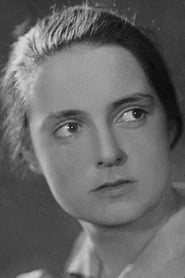
Varvara Myasnikova
Actor
Born: July 18, 1900 in Moscow, Russian Empire Died: March 25, 1978 Active: 1934-1951 Birth Name: Varvara Vladimirovna Myasnikova
Films
5 films


About Varvara Myasnikova
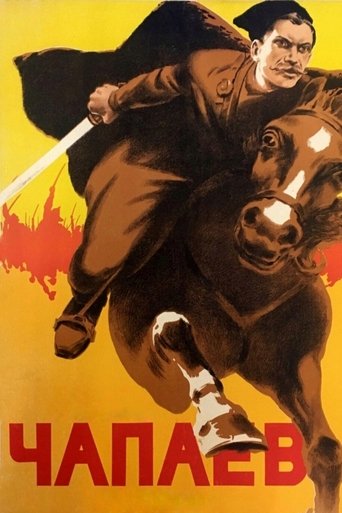
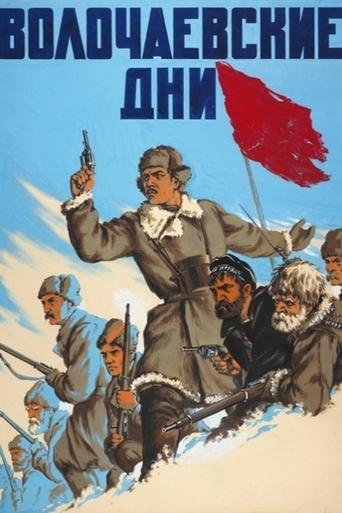
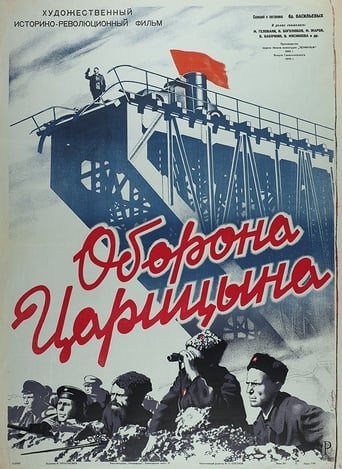
Prominent Soviet actress: the crucial period of early Soviet cinema from 1934 to 1951. She began her film career with a memorable role in the classic Soviet film 'Chapayev' (1934), which became films of early Soviet cinema and established her as a significant talent. Throughout the 1930s and 1940s, she appeared in several important Soviet propaganda films and historical epics that reflected the ideological priorities of the Stalinist era. Her performance in 'The Defense of Volotchayevsk' (1937) and 'Defense of Tsaritsyn' (1942) demonstrated her ability to embody strong, revolutionary female characters that were central to Soviet cinematic narratives. Myasnikova also showcased versatility by appearing in different genres, including the fairy tale adaptation 'Cinderella' (1947), which allowed her to display a lighter, more romantic side to her acting. Her final major film appearance was in 'The Heart of the Brave' (1951), after which she gradually withdrew from active filmmaking as the Soviet film industry entered a new era under Khrushchev. Despite her relatively short filmography, Myasnikova's work represents an important chapter in the development of Soviet cinema and the portrayal of women in socialist realist films.
The Craft
On Screen
Myasnikova's acting style was characteristic of Soviet socialist realism, emphasizing strong, determined characters who embodied revolutionary ideals and collective values. Her performances were marked by a powerful screen presence and emotional intensity that aligned with the ideological requirements of Soviet cinema. She specialized in portraying heroic women who were active participants in the revolutionary struggle, using a declamatory style that emphasized moral clarity and political conviction. In her more versatile roles, such as in 'Cinderella,' she demonstrated the ability to adapt to different genres while maintaining the emotional depth and sincerity that characterized her work.
Milestones
- Breakthrough role in 'Chapayev' (1934),
- Starred in multiple Soviet historical epics during the Stalin era
- Transitioned from revolutionary heroine roles to more diverse characters including fairy tale adaptations
- Represented the ideal Soviet woman in socialist realist cinema
- Worked during the golden age of Soviet propaganda filmmaking
Best Known For
Iconic Roles
Must-See Films
Accolades
Won
- Honored Artist of the RSFSR (Russian Soviet Federative Socialist Republic)
Special Recognition
- Recognition for contributions to Soviet cinema
- Featured in retrospectives of classic Soviet films
Working Relationships
Worked Often With
Studios
Why They Matter
Impact on Culture
Varvara Myasnikova's work represents an important chapter in the development of Soviet cinema and the portrayal of women in socialist realist art. Her performances in films like 'Chapayev' helped establish the archetype of the revolutionary woman in Soviet cinema - strong, dedicated, and fully committed to the communist cause. These characters were not just entertainment but served as role models for Soviet citizens, particularly women, showing how they could actively participate in building socialism. Myasnikova's ability to embody these ideals made her an important cultural figure during the Stalin era, when cinema was used as a powerful tool for political education and social engineering. Her transition to roles in fairy tales and more diverse genres in the late 1940s also reflected the evolving nature of Soviet cinema and society.
Lasting Legacy
Varvara Myasnikova's legacy is preserved through her contributions to classic Soviet cinema, particularly her role in 'Chapayev,' which remains. Her work exemplifies the socialist realist aesthetic that dominated Soviet cultural production for decades and provides valuable insight into how cinema was used to shape Soviet identity and values. While she may not be as widely known internationally as some of her contemporaries, within Russian and Soviet film studies, her performances are recognized as important examples of the period's acting style and ideological content. Her films continue to be shown in retrospectives and studied by film scholars interested in understanding the relationship between art and politics in the Soviet Union.
Who They Inspired
Myasnikova influenced subsequent generations of Soviet actresses who worked within the socialist realist tradition, particularly in how to portray strong female characters who were both ideologically sound and emotionally compelling. Her performances demonstrated how actors could work within the constraints of state-mandated artistic styles while still creating memorable and impactful characters. The archetype of the revolutionary woman she helped establish continued to appear in Soviet cinema for decades, influencing how women were portrayed in both historical and contemporary Soviet films. Her work in genre films like 'Cinderella' also showed how Soviet actors could adapt to different types of roles while maintaining the underlying values of socialist culture.
Off Screen
Varvara Myasnikova lived through. Her career coincided with the establishment and consolidation of Soviet cinema as a powerful ideological tool. Like many artists of her generation, she had to navigate the complex demands of working within the state-controlled cultural system while maintaining her artistic integrity. Her personal life was largely private, as was common for Soviet artists who were expected to maintain a professional demeanor focused on their contributions to socialist culture.
Education
Likely trained at Soviet film or theater institutions, though specific educational details are not widely documented in available sources
Family
- Information not publicly available
Did You Know?
- 'Chapayev' (1934), her breakthrough film, became
- The character she played in 'Chapayev' became a cultural icon in Soviet Russia
- Her active years covered the crucial period when Soviet cinema was establishing its unique identity
- She worked during the height of Stalin's cultural control over the arts
- Her films were part of the Soviet effort to create a distinctly socialist cinema
- The Defense of Tsaritsyn' was later retitled 'Stalingrad' to reflect the city's name change
- Her appearance in 'Cinderella' (1947) showed the Soviet interest in adapting classic fairy tales with socialist values
- Like many Soviet actors of her generation, she likely had to navigate the complex politics of the Stalin era
- Her films were often used for educational purposes in Soviet schools and institutions
- The period she worked in (1934-1951) covers both the pre-war Stalin era and the difficult war years
In Their Own Words
Information about specific quotes from Varvara Myasnikova is not widely available in English-language sources
Frequently Asked Questions
Who was Varvara Myasnikova?
Soviet actress active from 1934 to 1951, best known for her role in the classic Soviet film 'Chapayev' (1934). She was a prominent figure in Soviet cinema during the Stalin era, specializing in roles that embodied socialist realist ideals and revolutionary values.
What films is Varvara Myasnikova best known for?
Titles linked here include Chapayev (1934), The Defense of Volotchayevsk (1937).
When was Varvara Myasnikova born and when did she die?
Born July 18, 1900; died March 25, 1978.
What awards did Varvara Myasnikova win?
She was recognized as an Honored Artist of the RSFSR (Russian Soviet Federative Socialist Republic), which was a significant honor for Soviet cultural figures. Her contributions to Soviet cinema were also acknowledged through various retrospectives and recognition in film history.
What was Varvara Myasnikova's acting style?
Her acting style was characteristic of Soviet socialist realism, emphasizing strong, determined characters who embodied revolutionary ideals. She specialized in portraying heroic women with emotional intensity and moral clarity, using a declamatory style that aligned with the ideological requirements of Soviet cinema while maintaining emotional depth and sincerity.