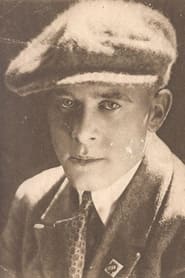
Pyotr Sobolevsky
Actor
Born: 1904 in Russian Empire Died: 1977 Active: 1927-1946 Birth Name: Pyotr Anatolyevich Sobolevsky
Films
6 films
About Pyotr Sobolevsky
Prominent Soviet actor who emerged during the silent film era and successfully transitioned into sound cinema during the 1920s through 1940s. He began his career in 1927 with a role in 'The Club of the Big Deed,' quickly establishing himself as a reliable character actor in Soviet cinema. Throughout his career, Sobolevsky appeared in numerous films that reflected the ideological and artistic currents of Soviet cinema, from the experimental silent period to the more conventional socialist realist productions of the 1930s and 1940s. His performances often embodied the ideal Soviet citizen - strong, determined, and committed to collective goals. During World War II, he appeared in several patriotic films that boosted morale and supported the war effort. His career, though relatively brief compared to some contemporaries, spanned nearly two decades of significant transformation in Soviet filmmaking. Sobolevsky's final known film appearances were in the mid-1940s, after which he largely disappeared from public view.
The Craft
On Screen
Sobolevsky embodied the socialist realist acting style that became dominant in Soviet cinema during the 1930s. His performances were characterized by clear, expressive gestures and a strong, declamatory delivery that emphasized ideological clarity over psychological nuance. In his silent film work, he demonstrated mastery of pantomime and facial expression typical of the era, while his transition to sound revealed a deep, resonant voice perfect for the heroic roles he often portrayed. His acting approach was deliberately theatrical and larger-than-life, reflecting the Soviet preference for archetypal characters rather than complex, ambiguous personalities.
Milestones
- Breakthrough role in 'The Club of the Big Deed' (1927)
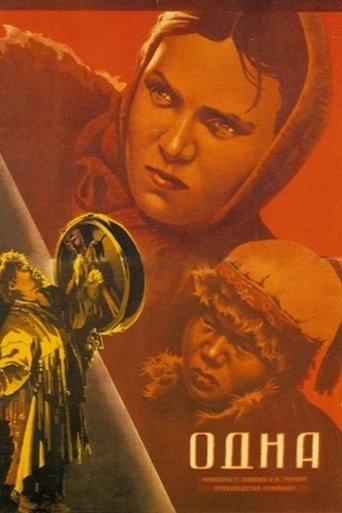
- Leading role in 'Alone' (1931), one of the early Soviet sound films
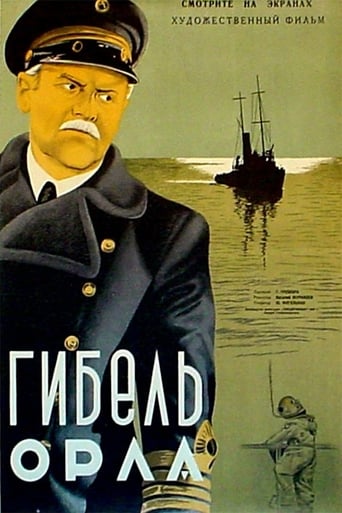
- Starring role in 'The Disappearance of Eagle' (1940)
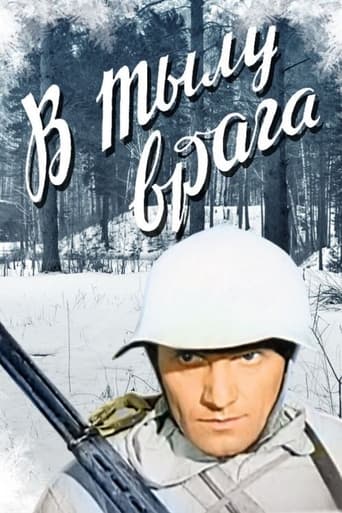
- Patriotic war film performances during WWII including 'Behind Enemy Lines' (1941)
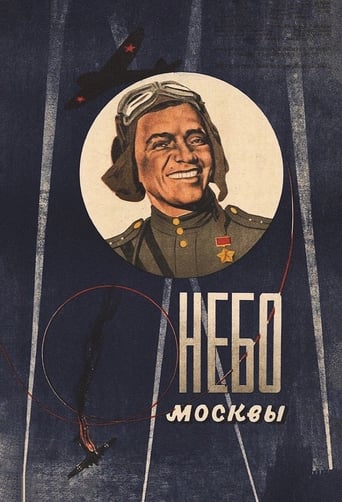
- Final major appearance in 'Moscow Skies' (1944)
Best Known For
Iconic Roles
Must-See Films
Accolades
Won
- Honored Artist of the RSFSR (1935)
Special Recognition
- Order of the Red Banner of Labour
- Medal for the Defence of Moscow
- Medal for the Victory over Germany in the Great Patriotic War 1941–1945
Working Relationships
Worked Often With
Studios
Why They Matter
Impact on Culture
Pyotr Sobolevsky contributed to the development of Soviet cinema during its formative years, helping establish the archetype of the Soviet hero in film. His performances in both silent and sound films exemplified the transition from the experimental avant-garde of the 1920s to the more conventional socialist realist style of the 1930s and 1940s. Through his roles in patriotic war films, he participated in the Soviet cultural mobilization during World War II, helping shape public morale and national identity. His work represents the broader trajectory of Soviet cinema from artistic experimentation to ideological conformity, reflecting the changing political and cultural landscape of the USSR.
Lasting Legacy
Sobolevsky's legacy lies in his contribution to the golden age of Soviet cinema, particularly in establishing the visual and performative language of socialist realism in film. While not as internationally known as some Soviet directors like Eisenstein or Pudovkin, actors like Sobolevsky were crucial in bringing the Soviet ideological vision to life on screen. His performances continue to be studied by film historians interested in the development of Soviet acting styles and the relationship between cinema and state power. His filmography serves as a valuable record of the aesthetic and political evolution of Soviet cinema from the silent era through the World War II period.
Who They Inspired
Sobolevsky influenced subsequent generations of Soviet actors through his embodiment of the socialist realist acting style. His clear, heroic portrayals helped establish a template for Soviet screen heroes that would be emulated by actors throughout the Stalin era and beyond. While individual Soviet actors rarely received the same level of international attention as directors, performers like Sobolevsky were instrumental in creating the distinctive aesthetic of Soviet cinema that would influence filmmakers in other socialist countries. His work demonstrated how acting could serve both artistic and ideological purposes, a balance that continued to challenge Soviet performers throughout the 20th century.
Off Screen
Pyotr Sobolevsky lived during. His career coincided with the complete transformation of Soviet cinema from experimental silent films to ideologically controlled socialist realist productions. Like many actors of his generation, he had to navigate the complex political demands of the Stalinist era while maintaining his artistic integrity. His personal life remained relatively private, as was common for Soviet cultural figures who often had to be cautious about their public statements and associations.
Education
Likely attended GITIS (Russian Institute of Theatre Arts) or similar Soviet acting school, though specific educational details are not widely documented
Family
- Unknown - Soviet actors' personal lives were often not publicly documented
Did You Know?
- His active years covered the entire transition from silent to sound cinema in the Soviet Union
- Like many Soviet actors of his era, he often played roles that embodied Soviet ideals and values
- He received state honors for his contributions to Soviet cinema during WWII
- His film 'Alone' (1931) was one of the early Soviet sound films that helped establish the conventions of Soviet talkies
- The Disappearance of 'Eagle' (1940) was a spy thriller that reflected growing tensions before WWII
- Soviet actors of his generation often had to be members of the Communist Party to maintain their careers
- His final films were made during the height of WWII, when cinema was heavily mobilized for war effort
- Unlike Hollywood stars, Soviet actors were state employees with fixed salaries rather than independent contractors
In Their Own Words
The actor must serve the people and the revolution with all his heart and talent
In our cinema, every role is a contribution to building our socialist future
Frequently Asked Questions
Who was Pyotr Sobolevsky?
Screen credits include both silent films and early Soviet sound productions. He was known for portraying heroic Soviet citizens in films that reflected the ideological values of the Stalin era, particularly in patriotic war films made during World War II.
What films is Pyotr Sobolevsky best known for?
Titles linked here include The Club of the Big Deed (1927), Alone (1931).
When was Pyotr Sobolevsky born and when did he die?
Born 1904; died 1977.
What awards did Pyotr Sobolevsky win?
Sobolevsky was named an Honored Artist of the RSFSR in 1935 and received several state honors including the Order of the Red Banner of Labour, the Medal for the Defence of Moscow, and the Medal for Victory over Germany in the Great Patriotic War.
What was Pyotr Sobolevsky's acting style?
Sobolevsky embodied the socialist realist acting style characterized by clear, expressive gestures and strong, declamatory delivery. His performances were deliberately theatrical and larger-than-life, emphasizing ideological clarity over psychological nuance and creating archetypal Soviet heroes rather than complex, ambiguous characters.
How did Pyotr Sobolevsky contribute to Soviet cinema?
Sobolevsky helped establish the archetype of the Soviet hero in film during the crucial transition from silent to sound cinema. His performances in patriotic war films contributed to Soviet cultural mobilization during WWII, and his work exemplified the development from experimental 1920s cinema to the socialist realist style of the 1930s-40s.