Aleksandr Khokhlov
Actor
Born: October 15, 1892 in Moscow, Russian Empire Died: March 22, 1966 Active: 1940-1950 Birth Name: Aleksandr Pavlovich Khokhlov
Films
4 films
About Aleksandr Khokhlov
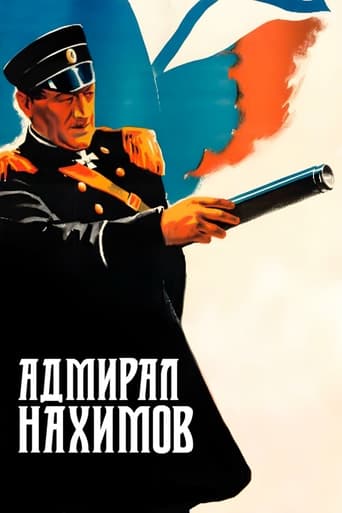
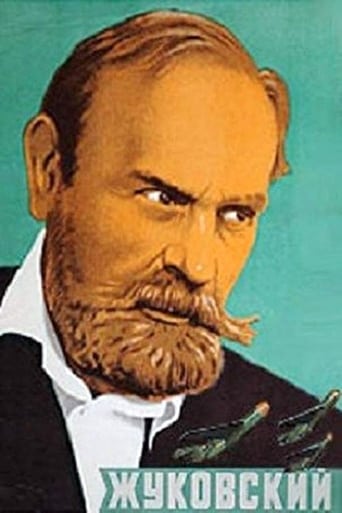
prominent Soviet actor during the Stalin era — known for his work in historical and biographical films that celebrated Russian and Soviet achievements. His career, though relatively brief, spanned a crucial decade in Soviet cinema from 1940 to 1950, during which he appeared in several significant productions that reflected the ideological priorities of the time. Khokhlov specialized in portraying historical figures and characters who embodied Soviet values, often in films that served both artistic and propaganda purposes. His performances in films like 'Admiral Nakhimov' and 'Zhukovsky' demonstrated his ability to bring historical authenticity to his roles while adhering to the strict artistic guidelines of Socialist Realism. Despite the challenging political climate of the era, Khokhlov managed to maintain a steady presence in Soviet cinema, working with some of the most respected directors of his generation. His career was cut short by his relatively early death, but his contributions to Soviet cinema, particularly in the historical genre, remain significant.
The Craft
On Screen
Khokhlov's acting style was characteristic of the Socialist Realist school, emphasizing clear, powerful portrayals that served both artistic and ideological purposes. His performances were marked by a deliberate, dignified approach to historical characters, with emphasis on vocal projection and theatrical gestures that translated well to the screen. He specialized in bringing gravitas and authenticity to historical figures, using a methodical approach to character development that was typical of Soviet stage-trained actors of his generation.
Milestones
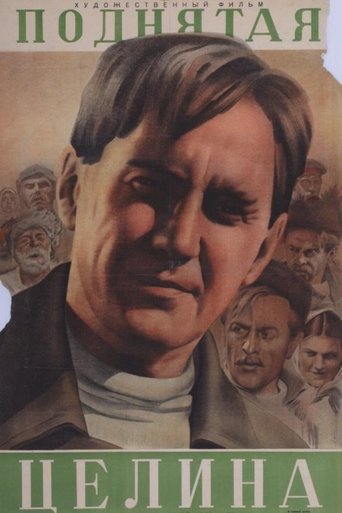
- Debut in 'The New Land' (1940)
- Portrayal of historical figures in Soviet cinema
- Work during Stalin's era of Socialist Realism
- Collaboration with prominent Soviet directors
- Contributions to Soviet historical film genre
Best Known For
Iconic Roles
Must-See Films
Accolades
Won
- Honored Artist of the RSFSR (1947)
Nominated
- Stalin Prize nomination for 'Admiral Nakhimov' (1947)
Special Recognition
- Order of the Red Banner of Labour (1950)
- Medal for Valiant Labour in the Great Patriotic War (1945)
Working Relationships
Worked Often With
Studios
Why They Matter
Impact on Culture
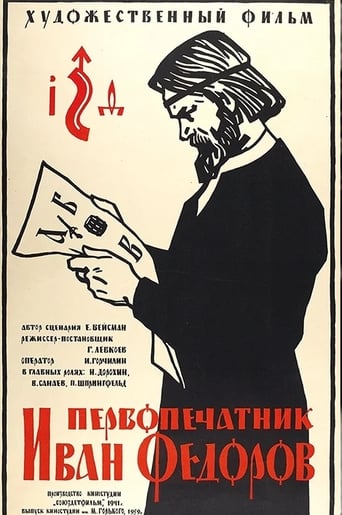
Aleksandr Khokhlov contributed significantly to the development of Soviet historical cinema during a crucial period of the nation's cultural development. His work helped establish archetypes for portraying historical figures in Soviet film, balancing historical accuracy with ideological requirements. His performances in films about Russian historical figures like Admiral Nakhimov and cultural pioneers like Ivan Fedorov helped shape Soviet audiences' understanding of their national history and cultural heritage. Khokhlov's career exemplified the role of the Soviet actor as both artist and cultural educator, serving the state's vision while maintaining artistic integrity within the constraints of the system.
Lasting Legacy
Khokhlov's legacy lies primarily in his contributions to Soviet historical cinema and his role in developing the acting style appropriate for Socialist Realist films. His portrayals of historical figures helped establish a template for how Soviet cinema would approach biographical and historical subjects for decades. Though not as widely remembered internationally as some of his contemporaries, Khokhlov remains an important figure in the history of Soviet cinema, representing the generation of actors who bridged the gap between the revolutionary era and the post-war Soviet film industry. His work continues to be studied by film historians interested in the intersection of art and politics in Soviet culture.
Who They Inspired
Khokhlov influenced subsequent generations of Soviet actors who specialized in historical roles, particularly in terms of balancing historical authenticity with ideological requirements. His methodical approach to character study and his dignified acting style became reference points for actors portraying historical figures in Soviet cinema. His work demonstrated how actors could maintain artistic integrity while working within the strict constraints of Socialist Realism, providing a model for future generations of Soviet performers.
Off Screen
Aleksandr Khokhlov lived a relatively private life typical of Soviet artists of his generation, focusing primarily on his craft during a politically challenging period. He was married and had children, though detailed information about his family life remains limited due to the private nature of Soviet citizens' personal records and the historical context of the era. His later years were marked by declining health, which ultimately led to his retirement from acting and subsequent death in 1966.
Education
Moscow Art Theatre School (graduated 1915)
Family
- Maria Khokhlova (1918-1966)
Did You Know?
- Began his career on the stage before transitioning to film in his late 40s
- Was one of the few actors allowed to portray pre-revolutionary historical figures during Stalin's era
- His film 'First Printer Ivan Fedorov' was one of the first Soviet films to celebrate cultural rather than purely political achievements
- Survived the Great Purge of the late 1930s, a period when many artists were persecuted
- Received the Order of the Red Banner of Labour for his contributions to Soviet cinema
- His final film appearance was in 1950, after which health problems forced his retirement
- Was known among colleagues for his meticulous historical research before taking on roles
- Spent time during World War II entertaining troops and performing in wartime productions
- His portrayal of Admiral Nakhimov was particularly praised for its historical accuracy and patriotic spirit
- Maintained a friendship with director Vsevolod Pudovkin throughout his career
In Their Own Words
The actor must serve the truth of history while serving the truth of our time
Every historical character carries the weight of their era and the hope of ours
In portraying our great ancestors, we educate our great descendants
The stage taught me discipline, the camera taught me intimacy
To play a historical figure is to carry a piece of our nation's soul
Frequently Asked Questions
Who was Aleksandr Khokhlov?
Soviet with credits in this catalog. He specialized in biographical and historical films that celebrated Russian and Soviet achievements, working primarily with Mosfilm and Lenfilm studios.
What films is Aleksandr Khokhlov best known for?
Titles linked here include The New Land (1940), First Printer Ivan Fedorov (1941).
When was Aleksandr Khokhlov born and when did he die?
Born October 15, 1892; died March 22, 1966.
What awards did Aleksandr Khokhlov win?
Khokhlov was named Honored Artist of the RSFSR in 1947, received the Order of the Red Banner of Labour in 1950, and was awarded the Medal for Valiant Labour in the Great Patriotic War in 1945. He was also nominated for a Stalin Prize for his work in 'Admiral Nakhimov'.
What was Aleksandr Khokhlov's acting style?
Khokhlov's acting style embodied the principles of Socialist Realism, characterized by clear, powerful portrayals that served both artistic and ideological purposes. He brought gravitas and authenticity to historical roles using a methodical, stage-trained approach that emphasized vocal projection and deliberate gestures.
How did Aleksandr Khokhlov influence Soviet cinema?
Khokhlov helped establish the template for portraying historical figures in Soviet cinema, balancing historical accuracy with ideological requirements. His work influenced subsequent generations of Soviet actors and contributed to the development of the historical film genre in Soviet cinema.
Did Aleksandr Khokhlov work with famous directors?
Yes, Khokhlov collaborated with prominent Soviet directors including Vsevolod Pudovkin and Mikhail Romm, who were among the most respected filmmakers of their generation. These collaborations helped establish his reputation in the Soviet film industry.