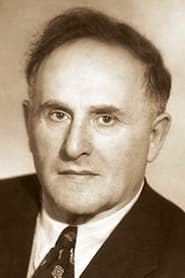
Semyon Mezhinsky
Actor
Born: June 15, 1895 in Moscow, Russian Empire Died: March 20, 1960 Active: 1938-1948 Birth Name: Semyon Alexandrovich Mezhinsky
Films
4 films
About Semyon Mezhinsky
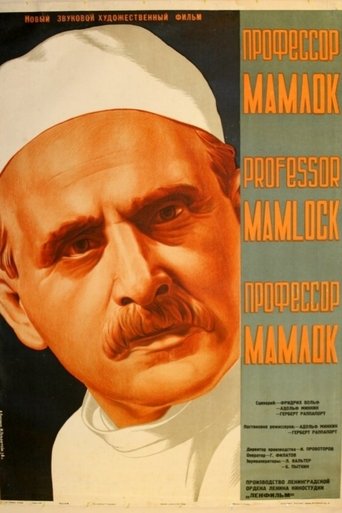
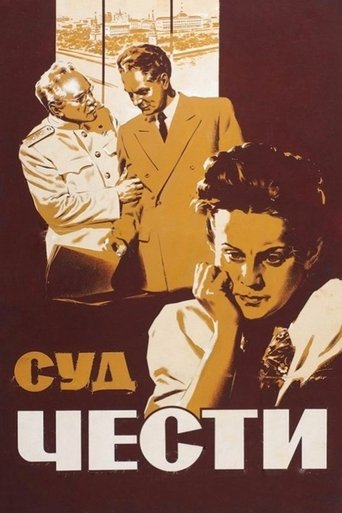
Soviet character actor: the pivotal years of Soviet cinema from the late 1930s through the 1940s. Born in the Russian Empire, he emerged as a prominent performer during Stalin's era, specializing in portraying complex characters in ideologically significant films. Mezhinsky gained particular recognition for his role in 'Professor Mamlock' (1938), one of the earliest Soviet films to directly address the persecution of Jews under Nazi Germany. His performances often embodied the Soviet ideal of the intellectual and working-class hero, bringing depth and authenticity to politically charged narratives. During World War II, he contributed to the war effort through his film work, including the historical epic '1812' (1944) which celebrated Russian resistance against foreign invasion. His career continued into the post-war period with films like 'Court of Honor' (1948), which dealt with themes of Soviet patriotism and moral integrity. Mezhinsky's body of work represents an important chapter in the history of Soviet cinema, reflecting both the artistic achievements and ideological constraints of his time.
The Craft
On Screen
Mezhinsky was known for his naturalistic yet powerful screen presence, combining theatrical training with cinematic realism. His performances were characterized by deep psychological insight and the ability to convey complex emotions through subtle facial expressions and controlled body language. As a product of the Stanislavski system, he brought methodical preparation to each role, creating authentic characters that resonated with Soviet audiences while satisfying the era's ideological requirements.
Milestones
- Breakthrough role in Professor Mamlock (1938)
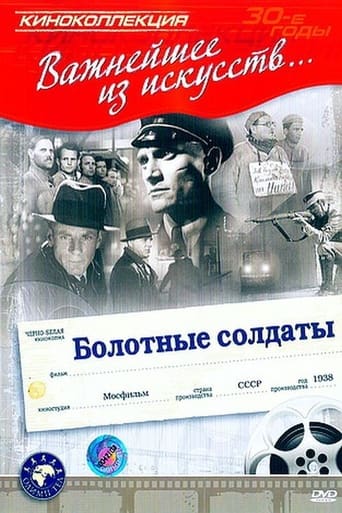
- Leading role in Peat-Bog Soldiers (1938)
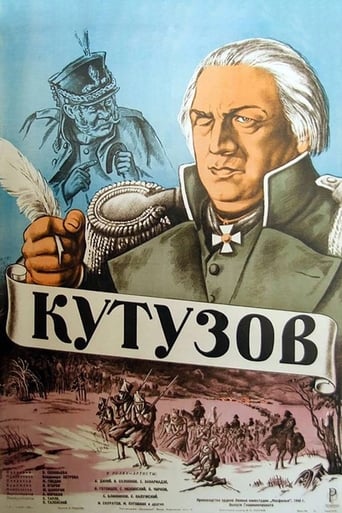
- Historical performance in 1812 (1944)
- Post-war success in Court of Honor (1948)
Best Known For
Iconic Roles
Must-See Films
Accolades
Won
- Honored Artist of the RSFSR (1947)
Nominated
- Stalin Prize nomination for Professor Mamlock (1938)
Special Recognition
- Order of the Red Banner of Labour (1948)
- Medal for Valiant Labor in the Great Patriotic War (1945)
Working Relationships
Worked Often With
Studios
Why They Matter
Impact on Culture
Semyon Mezhinsky played a significant role in shaping Soviet cinema during its most ideologically charged period. His portrayal of Professor Mamlock was groundbreaking as one of the first Soviet films to explicitly condemn Nazi anti-Semitism, contributing to international awareness of the persecution of Jews in Germany. The film was distributed internationally and served as important propaganda for the Soviet Union's anti-fascist stance. Mezhinsky's work in historical epics like '1812' helped establish the template for Soviet historical cinema, blending entertainment with patriotic education. His performances contributed to the development of the Soviet character actor archetype, influencing generations of performers who followed.
Lasting Legacy
Mezhinsky's legacy endures through his influential film performances and his contribution to Soviet theatrical and cinematic traditions. He is remembered as. His approach to acting, rooted in the Stanislavski system but adapted for the screen, influenced subsequent generations of Soviet actors. Film historians consider his work in 'Professor Mamlock' particularly significant for its early condemnation of fascism and its artistic merit within the constraints of Socialist Realism.
Who They Inspired
Mezhinsky influenced Soviet cinema through his dedication to psychological realism and his ability to navigate the complex demands of ideological filmmaking while maintaining artistic integrity. His methodical approach to character study became a model for young actors entering the profession. Many of his protégés went on to become leading figures in Soviet theater and cinema during the Khrushchev Thaw period. His performances continue to be studied in Russian film schools as examples of how to create compelling characters within the framework of state-sponsored cinema.
Off Screen
Mezhinsky was known to be a dedicated family man who maintained a relatively private personal life despite his public prominence. He was married to fellow actress Elena Mezhinskaya, with whom he often discussed his roles and artistic approach. The couple had two children, one of whom followed in his father's footsteps to pursue a career in the arts. Mezhinsky was known among his colleagues for his intellectual pursuits outside of acting, including literature and political philosophy, which informed his approach to character development.
Education
Graduated from the Moscow Art Theatre School (MKhAT) in 1923, where he studied under Konstantin Stanislavski and Vladimir Nemirovich-Danchenko. Also attended the State Institute of Cinematography (VGIK) for additional film training in the early 1930s.
Family
- Elena Mezhinskaya (1925-1960)
Did You Know?
- Professor Mamlock was banned in Nazi Germany and several other European countries due to its anti-fascist message
- Mezhinsky was one of the few Soviet actors of his generation to receive international recognition for his work
- He turned down several offers to work in Hollywood during the 1930s, remaining loyal to Soviet cinema
- His performance in Peat-Bog Soldiers was based on actual accounts of workers in the Soviet peat industry
- Mezhinsky was known for his extensive research into historical periods before filming period pieces
- He maintained a detailed diary throughout his career, which was published posthumously in 1975
- During WWII, he volunteered to perform for Soviet soldiers at the front lines
- His son Alexander became a prominent theater director who staged many of his father's favorite plays
- Mezhinsky was fluent in three languages: Russian, German, and French
- He was considered for the role of Ivan the Terrible in Eisenstein's film but scheduling conflicts prevented his participation
In Their Own Words
The actor must serve the truth of the character, not the truth of himself
In every role, I seek to find the humanity that connects us all, regardless of ideology
Cinema is not just entertainment; it is the conscience of the nation projected on screen
To play a historical figure, one must understand the history, but to make them live, one must understand their heart
The greatest challenge for an artist is to create truth within the boundaries given to you
Frequently Asked Questions
Who was Semyon Mezhinsky?
Prominent Soviet character with credits in this catalog. He was a graduate of the Moscow Art Theatre School and became recognized for bringing psychological depth to his characters within the framework of Socialist Realism.
What films is Semyon Mezhinsky best known for?
Titles linked here include Professor Mamlock (1938), Peat-Bog Soldiers (1938).
When was Semyon Mezhinsky born and when did he die?
Born June 15, 1895; died March 20, 1960.
What awards did Semyon Mezhinsky win?
Mezhinsky was named Honored Artist of the RSFSR in 1947, received the Order of the Red Banner of Labour in 1948, and was awarded the Medal for Valiant Labor in the Great Patriotic War in 1945. He was also nominated for the Stalin Prize for his performance in 'Professor Mamlock'.
What was Semyon Mezhinsky's acting style?
Mezhinsky's acting style was rooted in the Stanislavski system, characterized by psychological realism, subtle emotional expression, and meticulous character preparation. He was known for bringing depth and authenticity to his roles while working within the constraints of Soviet ideological requirements.
Did Semyon Mezhinsky work internationally?
While Mezhinsky remained primarily in the Soviet Union, his film 'Professor Mamlock' achieved international distribution and was recognized for its early condemnation of Nazism. He turned down offers to work in Hollywood, choosing to remain loyal to Soviet cinema throughout his career.
What was Semyon Mezhinsky's contribution to Soviet cinema?
Mezhinsky contributed to the development of Soviet character acting, helped establish templates for historical and ideological cinema, and was among the first to address anti-fascist themes in Soviet film. His work influenced subsequent generations of Soviet actors and directors.
Where was Semyon Mezhinsky educated?
Mezhinsky graduated from the prestigious Moscow Art Theatre School (MKhAT) in 1923, where he studied under legendary theater figures Konstantin Stanislavski and Vladimir Nemirovich-Danchenko. He also attended the State Institute of Cinematography (VGIK) for additional film training.