
Films
3 films

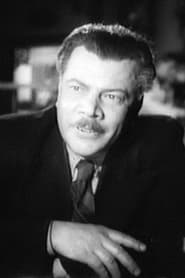
About Boris Zhukovsky
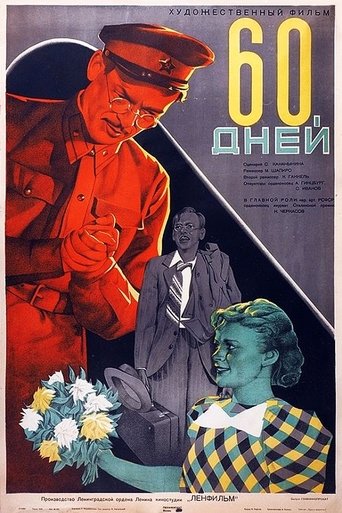
Soviet actor active during the late 1930s and early 1940s, a period that coincided with some of the most challenging years in Soviet history including World War II. His career, though relatively brief, spanned from 1939 to 1945, during which he appeared in several notable Soviet productions that reflected the political and social climate of the era. Zhukovsky's work in films like 'The Vyborg Side' (1939), '60 Days' (1943), and 'Simple People' (1945) placed him within the context of Soviet wartime cinema, which often emphasized themes of heroism, sacrifice, and socialist ideals. Like many actors of his generation, his career was likely shaped by the demands of the Soviet film industry and the cultural policies of the Stalinist period. While his filmography was not extensive, his contributions to Soviet cinema during this critical historical period represent the work of actors who helped create the cultural landscape of wartime and immediate post-war Soviet Union.
The Craft
Milestones
- Appeared in 'The Vyborg Side' (1939)
- Starred in wartime drama '60 Days' (1943)
- Featured in 'Simple People' (1945)
Best Known For
Iconic Roles
Must-See Films
Working Relationships
Studios
Why They Matter
Impact on Culture
Boris Zhukovsky contributed to the Soviet film industry during a critical period of the nation's history, appearing in productions that reflected the ideological and cultural values of wartime and post-war Soviet society. His work in films like '60 Days' during World War II was part of the broader Soviet effort to use cinema as a tool for morale-boosting and propaganda, helping to shape public perception and maintain national spirit during. While not a major star, his participation in these films represents the collective effort of countless actors, directors, and crew members who worked to document and interpret the Soviet experience during this era.
Lasting Legacy
Boris Zhukovsky's legacy is preserved through his film work in three significant Soviet productions from the late 1930s and early 1940s. His performances serve as historical artifacts that provide insight into the acting styles, production values, and thematic concerns of Soviet cinema during the Stalin era. Though detailed biographical information about him may be limited, his contribution to Soviet film history remains part of the broader tapestry of wartime cinema that helped shape cultural memory and national identity in the Soviet Union.
Who They Inspired
As a supporting actor during a specific historical period, Boris Zhukovsky's direct influence on subsequent generations of filmmakers and actors is difficult to trace. However, his work contributed to the established conventions and stylistic approaches of Soviet cinema that would influence later developments in Russian and international film. His performances in wartime productions helped establish certain archetypes and narrative approaches that would become part of the Soviet cinematic tradition.
Off Screen
Limited information is available about Boris Zhukovsky's personal life, which was common for many Soviet supporting actors of his era whose biographical details were not extensively documented in publicly accessible records.
Did You Know?
- Appeared in films during World War II, a period when Soviet cinema was heavily focused on supporting the war effort
- His film active years covered exactly six years from 1939 to 1945
- All three known films he appeared in were produced during significant periods of Soviet history
- Worked during the Stalin era when Soviet cinema was under strict state control
- His career coincided with some of the most challenging years in Soviet history
Frequently Asked Questions
Who was Boris Zhukovsky?
Screen credits include several Soviet films including 'The Vyborg Side' (1939), '60 Days' (1943), and 'Simple People' (1945). His career coincided with World War II and the Stalin era in Soviet cinema.
What films is Boris Zhukovsky best known for?
Titles linked here include The Vyborg Side (1939), 60 Days (1943).
When was Boris Zhukovsky active in film?
Boris Zhukovsky was active as an actor from 1939 to 1945, a six-year period that encompassed World War II and the immediate post-war years in the Soviet Union.
What was the context of Boris Zhukovsky's film career?
Zhukovsky worked during the Stalin era when Soviet cinema was heavily influenced by state ideology and often served propaganda purposes, particularly during wartime. His films reflected the cultural and political climate of mid-20th century Soviet society.
What is known about Boris Zhukovsky's personal life?
Limited biographical information is available about Boris Zhukovsky's personal life, which was common for many Soviet supporting actors of his era whose detailed records were not extensively preserved or made publicly accessible.