Mikhail Bolduman
Actor
Born: December 8, 1898 in Moscow, Russian Empire Died: January 22, 1983 Active: 1920s-1970s (film period: 1933-1941) Birth Name: Mikhail Ivanovich Bolduman
Films
3 films
About Mikhail Bolduman
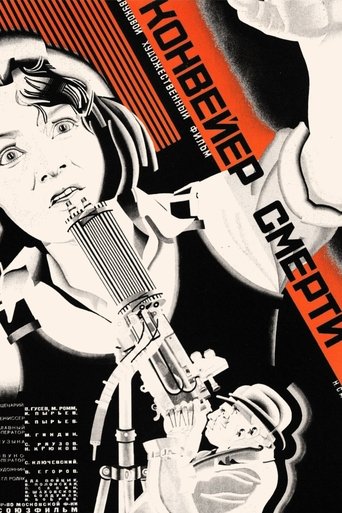
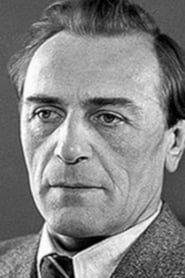
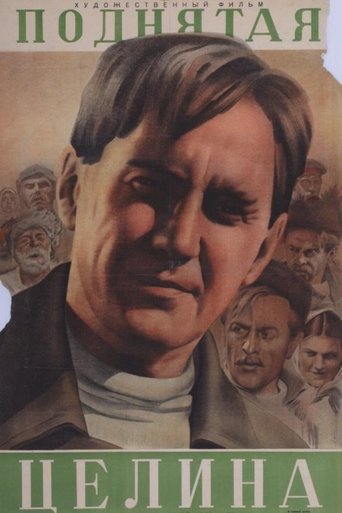
Mikhail Ivanovich Bolduman — Soviet theater and film actor active from the 1920s through the 1970s, though his most prolific film period was in the 1930s and early 1940s. Born in 1898, he rose to prominence as a member of the prestigious Moscow Art Theatre, where he developed his craft under the influence of Stanislavski's system. Bolduman was particularly known for his powerful dramatic performances and ability to portray complex psychological characters, making him respected stage actors of his generation in Soviet theater. His film career, while less extensive than his stage work, included several notable productions during Stalin's era, including the politically charged 'Conveyor of Death' (1933) and the patriotic drama 'The New Land' (1940). Despite the political pressures of the time, Bolduman maintained his artistic integrity and continued to perform on stage throughout his career, eventually becoming a People's Artist of the USSR, the highest artistic honor in the Soviet Union. His later years were marked by continued stage performances and mentoring younger actors, cementing his legacy as one of Soviet theater's most influential figures of the 20th century.
The Craft
On Screen
Bolduman was known for his intense, psychologically deep performances rooted in the Stanislavski system. His acting was characterized by powerful emotional range, meticulous character development, and the ability to convey complex internal conflicts through subtle gestures and vocal modulation. On stage, he was particularly praised for his commanding presence and ability to transform completely into his roles, whether playing historical figures or contemporary characters.
Milestones
- Joined Moscow Art Theatre in 1920s
- Starred in 'Conveyor of Death' (1933)
- Received People's Artist of USSR honor
- Leading actor at Moscow Art Theatre for over 40 years
- Mentored generations of Soviet actors
Best Known For
Iconic Roles
Must-See Films
Accolades
Won
- People's Artist of the USSR
- Order of the Red Banner of Labour
- Order of the Badge of Honour
Nominated
- Multiple State Prize nominations for theatrical performances
Special Recognition
- Honored Artist of the RSFSR
- People's Artist of the RSFSR
- People's Artist of the USSR
Working Relationships
Worked Often With
Studios
Why They Matter
Impact on Culture
Mikhail Bolduman played a significant role in preserving and developing the traditions of Russian theater during the Soviet era. As a leading actor at the Moscow Art Theatre, he helped maintain the artistic standards established by Stanislavski while adapting to the political demands of the time. His performances in both classical Russian plays and contemporary Soviet works demonstrated how great art could thrive even under restrictive political conditions, influencing how theater was practiced throughout the Soviet Union.
Lasting Legacy
Bolduman's legacy lives on through the generations of actors he mentored and the high artistic standards he maintained at the Moscow Art Theatre. He is remembered as one of the great interpreters of Russian dramatic literature, particularly in the works of Chekhov, Gorky, and Ostrovsky. His career serves as an example of artistic integrity and dedication to craft during.
Who They Inspired
Bolduman influenced Soviet theater through his masterful application of the Stanislavski system and his ability to combine psychological depth with theatrical power. Many younger actors who worked with him went on to become leading figures in Soviet and post-Soviet theater, carrying forward his approach to character development and performance. His interpretations of classic roles continue to be studied by theater students as examples of outstanding dramatic acting.
Off Screen
Mikhail Bolduman was deeply committed to his craft and the Moscow Art Theatre, which became the central focus of his life. He married fellow actress Valentina Tokarskaya, who was also a prominent figure in Soviet theater. The couple often performed together and were considered one of theater's power couples during their era. Bolduman was known for his dedication to mentoring young actors and his unwavering commitment to the principles of theatrical art even during politically difficult periods.
Education
Studied at Moscow Art Theatre School under Stanislavski and other prominent theater teachers of the era
Family
- Valentina Tokarskaya (married 1930s-1983)
Did You Know?
- Was one of the few actors to successfully navigate both Stalinist and post-Stalinist eras
- His film career was relatively brief compared to his extensive stage work
- Maintained artistic integrity during periods of intense political pressure on artists
- Known for his meticulous preparation for roles, often spending months studying characters
- Was particularly admired for his interpretations of Chekhov's characters
- Continued performing well into his 70s
- His marriage to Valentina Tokarskaya was considered a model theatrical partnership
- Survived the purges of the 1930s that claimed many of his contemporaries
- Was known for his generosity in helping younger actors develop their craft
- Received the highest Soviet artistic honors despite never joining the Communist Party
In Their Own Words
The stage is not just a platform, but a sacred space where truth must be served
Acting is not about becoming someone else, but about discovering the truth within yourself
In every character there lives a piece of the actor's soul
Theater survives because it speaks eternal truths in changing times
Frequently Asked Questions
Who was Mikhail Bolduman?
Prominent Soviet with credits in this catalog. He was considered one of the finest dramatic actors of his generation and received the highest artistic honors in the Soviet Union.
What films is Mikhail Bolduman best known for?
Titles linked here include Conveyor of Death (1933), The New Land (1940).
When was Mikhail Bolduman born and when did he die?
Born December 8, 1898; died January 22, 1983.
What awards did Mikhail Bolduman win?
Bolduman received the highest artistic honors in the Soviet Union, including the title of People's Artist of the USSR, as well as the Order of the Red Banner of Labour and the Order of the Badge of Honour for his contributions to Soviet theater and film.
What was Mikhail Bolduman's acting style?
Bolduman's acting style was rooted in the Stanislavski system, characterized by psychological depth, emotional intensity, and meticulous character development. He was known for his powerful stage presence and ability to convey complex internal states through subtle artistic choices.