Allan Forrest
Actor
Born: September 11, 1885 in New York City, New York, USA Died: July 25, 1941 Active: 1913-1930 Birth Name: Allan Forrest DeGroat
Films
3 films
About Allan Forrest
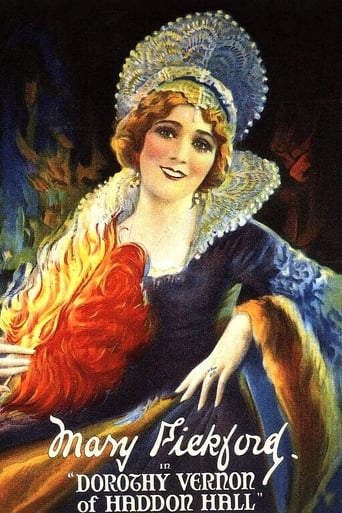
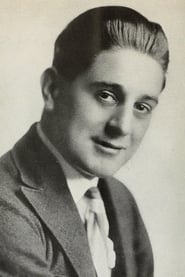
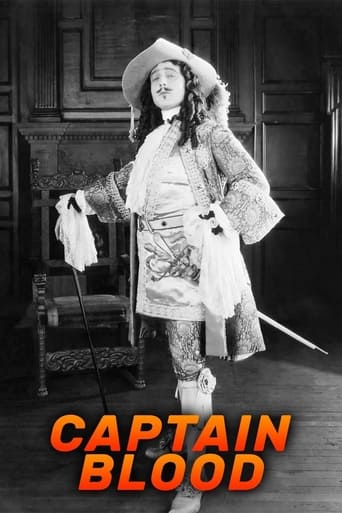
Allan Forrest, born Allan Forrest DeGroat, was a prominent American actor during the silent film era who began his career in the early 1910s. He established himself as a reliable leading man and supporting actor, appearing in over 80 films throughout his career. Forrest worked with several major studios including Universal Pictures, Fox Film Corporation, and Paramount Pictures, often playing romantic leads opposite some of the era's most popular actresses. His peak years were in the mid-1920s when he starred in notable productions like 'Dorothy Vernon of Haddon Hall' (1924) and 'Captain Blood' (1924). Like many silent film actors, Forrest struggled to transition to sound films, with his career declining rapidly after 1928. He made his final film appearance in 1930 and subsequently retired from acting, living his remaining years in relative obscurity until his death in 1941.
The Craft
On Screen
Forrest was known for his conventional leading man style typical of the silent era, characterized by expressive facial gestures and dramatic body language. He excelled in romantic roles and period pieces, bringing a theatrical intensity to his performances that translated well to silent cinema. His screen presence was described as dignified and earnest, though not particularly innovative for the period.
Milestones
- Film debut in 'The Power of Conscience' (1913)
- Leading role in 'Dorothy Vernon of Haddon Hall' (1924)
- Starring in 'Captain Blood' (1924) silent version
- Marriage to actress Marie Prevost (1924-1926)
- Final film appearance in 'The Great Meadow' (1930)
Best Known For
Iconic Roles
Must-See Films
Working Relationships
Worked Often With
Studios
Why They Matter
Impact on Culture
Allan Forrest represents the archetype of the silent era leading man whose career was ultimately unable to survive the transition to sound films. His story exemplifies the precarious nature of stardom during Hollywood's transitional period, where many established actors found themselves obsolete almost overnight. His performances in notable silent productions contribute to the historical documentation of silent cinema techniques and storytelling methods. Though not remembered as a figure, his work in films like 'Dorothy Vernon of Haddon Hall' and 'Captain Blood' preserves an important piece of early Hollywood history.
Lasting Legacy
Forrest's legacy is primarily that of a representative figure of the silent era's working actors who achieved moderate success but ultimately faded into obscurity. His films, particularly those that survive today, serve as valuable artifacts of silent cinema and the types of productions typical of the mid-1920s. His marriage to Marie Prevost has made him a footnote in the larger story of Hollywood's golden age romances. For film historians and silent cinema enthusiasts, Forrest represents the thousands of actors who were essential to Hollywood's early success but whose names were largely forgotten by mainstream audiences.
Who They Inspired
As a conventional leading man of his era, Forrest's influence was limited to the standard acting techniques employed in silent films. His style followed rather than set trends, making him more of a product of his time than an innovator. His career trajectory, however, serves as a cautionary tale about the importance of adaptability in the film industry, particularly during technological transitions. His story has been referenced in discussions about the challenges silent actors faced with the advent of sound cinema.
Off Screen
Allan Forrest had a notable personal life marked by two marriages to prominent actresses of the silent era. His first marriage was to Edna Mae Cooper, which ended in divorce. His second marriage to Marie Prevost in 1924 was highly publicized, as both were successful actors at the time. The marriage ended in divorce in 1926, reportedly due to Forrest's jealousy and Prevost's rising stardom. After his film career ended, Forrest lived a quiet life in California until his death from a heart attack at age 55.
Family
- Edna Mae Cooper (1916-1923)
- Marie Prevost (1924-1926)
Did You Know?
- His real name was Allan Forrest DeGroat, but he dropped 'DeGroat' for his screen name
- He appeared in both the 1924 silent version of 'Captain Blood' and had a small role in the 1935 sound remake starring Errol Flynn
- His marriage to Marie Prevost was one of Hollywood's most publicized relationships of the mid-1920s
- He made his film debut in 1913, making him one of the early pioneers of Hollywood cinema
- Forrest served in World War I, temporarily interrupting his acting career
- He was described by contemporary critics as having 'a pleasing screen presence but limited range'
- His final film appearances were in uncredited bit roles as his career declined
- He was a close friend of actor John Gilbert, another silent star who struggled with the transition to sound
- Forrest — accomplished horseman, which served him well in his western and adventure film roles
- His death certificate listed his occupation as 'retired actor'
In Their Own Words
The talkies came and I found myself without a voice in more ways than one
In silent pictures, your eyes had to do all the talking. Now they want you to actually speak
Frequently Asked Questions
Who was Allan Forrest?
American with credits in this catalog. He appeared in over 80 films and was known as a reliable leading man in romantic dramas and adventure films of the mid-1920s.
What films is Allan Forrest best known for?
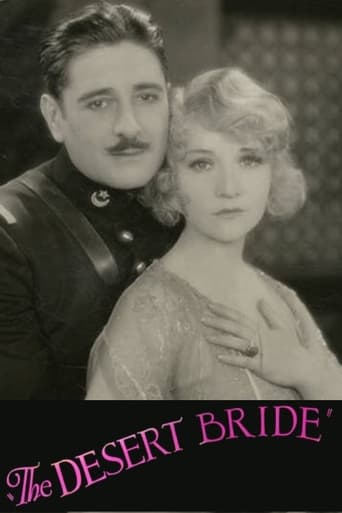
Titles linked here include Dorothy Vernon of Haddon Hall (1924), Captain Blood (1924).
When was Allan Forrest born and when did he die?
Born September 11, 1885; died July 25, 1941.
What awards did Allan Forrest win?
Allan Forrest did not receive any major awards or nominations during his career. Like many actors of his era, his contributions were recognized through his continued employment rather than formal honors.
What was Allan Forrest's acting style?
Forrest employed the conventional silent film acting style characterized by expressive facial gestures and dramatic body language. He specialized in romantic leading roles, bringing a dignified and earnest presence to his performances that was typical of the period.
Was Allan Forrest married to any famous actresses?
Yes, Allan Forrest was married twice to actresses. His first marriage was to Edna Mae Cooper, and his second highly publicized marriage was to Marie Prevost from 1924 to 1926, during which both were successful silent film stars.
Why did Allan Forrest's career end?
Forrest's career ended primarily because he struggled to transition from silent films to talkies in the late 1920s. Like many silent era actors, his acting style and voice were not well-suited to sound films, and he received fewer roles as the industry changed.