Films
4 films
About Boris Feodosyev
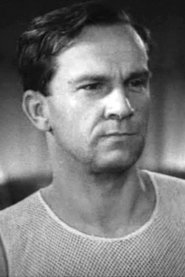
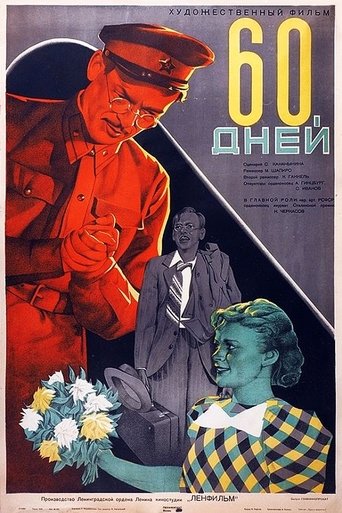
Soviet actor who worked during the formative period of Soviet cinema, spanning the transition from silent films to early sound productions. He began his film career in 1927 with 'The Club of the Big Deed,' appearing during an era when Soviet cinema was establishing its distinctive artistic voice and ideological purpose. Throughout his career, Feodosyev primarily worked as a supporting actor in productions that reflected the social and political themes important to Soviet cinema of the 1920s through 1940s. His most notable works included the 1938 film 'Friends' and the 1941 adaptation of 'Masquerade,' which demonstrated his versatility across different genres from social dramas to literary adaptations. During World War II, he contributed to the war effort through his role in '60 Days' (1943), a film made during the difficult wartime conditions. His career appears to have concluded around the mid-1940s, coinciding with the end of the war and the beginning of a new phase in Soviet cultural policy under Stalin's postwar regime.
The Craft
On Screen
Feodosyev's acting style was characteristic of the Soviet theatrical tradition, emphasizing clear emotional expression and ideological clarity. His performances reflected the method influenced by Constantin Stanislavski's system, which was becoming standard in Soviet cinema. As a supporting actor, he specialized in creating authentic characterizations that served the narrative and thematic purposes of Soviet films rather than seeking individual stardom.
Milestones
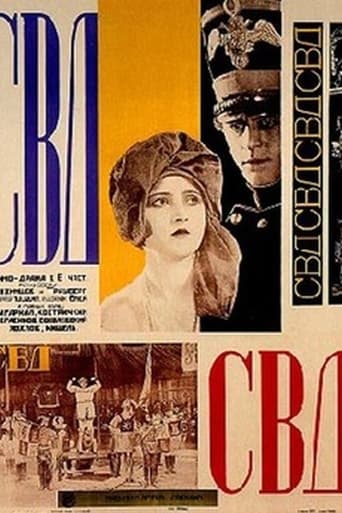
- Film debut in 'The Club of the Big Deed' (1927) during the silent era
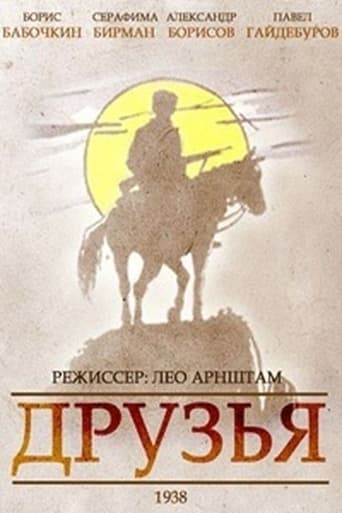
- Transition to sound films with 'Friends' (1938)
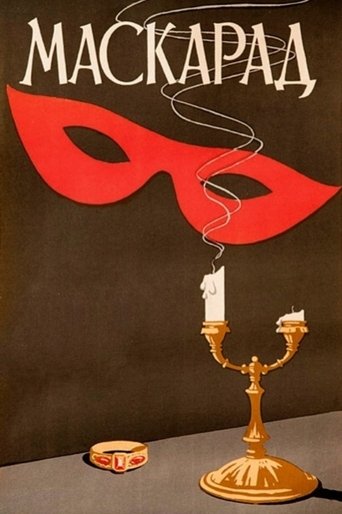
- Role in the literary adaptation 'Masquerade' (1941)
- Wartime film contribution in '60 Days' (1943)
Best Known For
Iconic Roles
Must-See Films
Working Relationships
Studios
Why They Matter
Impact on Culture
Boris Feodosyev contributed to the development of Soviet cinema during its crucial formative years, participating in the transition from silent to sound films. His work in films like 'The Club of the Big Deed' (1927) came during a period when Soviet filmmakers were experimenting with new cinematic language and techniques. Although not a major star, his contributions as a supporting actor helped establish the ensemble approach that became characteristic of Soviet cinema, where the collective narrative often took precedence over individual celebrity.
Lasting Legacy
While Boris Feodosyev is not remembered as one of the great stars of Soviet cinema, his filmography represents the work of a journeyman actor who contributed to the cultural landscape of his time. The films in which he appeared, particularly 'Masquerade' (1941), have become part of the historical record of Soviet cinema, preserving his performances for future generations of film historians and enthusiasts studying this important period in film history.
Who They Inspired
As a supporting actor rather than a leading figure, Feodosyev's direct influence on other actors was likely limited. However, his participation in establishing the conventions of Soviet film acting during the 1920s-1940s contributed to the broader theatrical tradition that would influence subsequent generations of Soviet and Russian performers.
Off Screen
Very limited information is available about Boris Feodosyev's personal life, which was not uncommon for supporting actors of his era in the Soviet Union. Like many actors of his generation, his life was likely shaped by the major historical events of his time, including the Russian Revolution, the establishment of the Soviet state, and World War II.
Did You Know?
- His active years covered the critical transition period from silent to sound cinema in the Soviet Union
- Appeared in films during three distinct historical periods: NEP era, Stalin's pre-war years, and World War II
- The film 'Masquerade' (1941) was an adaptation of Mikhail Lermontov's classic play
- His final known film '60 Days' (1943) was produced during the siege of Leningrad
- Like many Soviet actors of his generation, he likely began his career in theater before transitioning to film
Frequently Asked Questions
Who was Boris Feodosyev?
Screen credits include several notable Soviet films during the transition from silent to sound cinema. He worked primarily as a supporting actor in productions that reflected the social and political themes of Soviet cinema during the Stalin era.
What films is Boris Feodosyev best known for?
Titles linked here include The Club of the Big Deed (1927), Friends (1938).
When was Boris Feodosyev born and when did he die?
Born 1898; died 1945.
What was Boris Feodosyev's acting style?
Feodosyev's acting style reflected the Soviet theatrical tradition influenced by Stanislavski's system, emphasizing emotional clarity and authentic characterizations. As a supporting actor, he focused on serving the narrative and ideological purposes of Soviet films rather than seeking individual prominence.
What was Boris Feodosyev's contribution to Soviet cinema?
Feodosyev contributed to Soviet cinema during its crucial formative years, participating in the transition from silent to sound films. His work helped establish the ensemble approach characteristic of Soviet cinema, where collective narrative often took precedence over individual celebrity.