Kumkum
Actor
Born: July 22, 1934 in Sheikhpura, Bihar, British India (now India) Died: July 28, 2020 Active: 1954-1970s Birth Name: Zaibunnissa
Films
4 films
About Kumkum
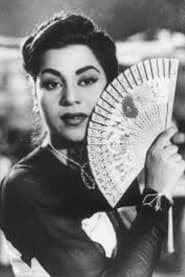
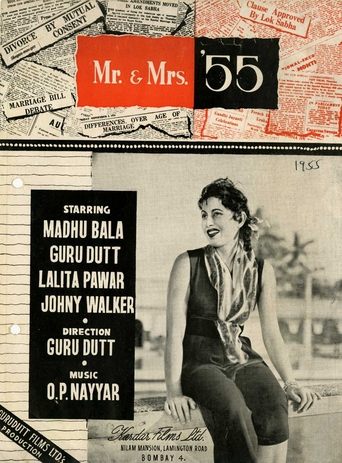
Kumkum, born Zaibunnissa, was a prominent Indian actress who rose to fame during the Golden Age of Hindi cinema in the 1950s and 1960s. She was discovered by filmmaker Guru Dutt and made her debut in the musical 'Mr. & Mrs. '55' (1955), quickly establishing herself as a versatile performer. Kumkum became known for her memorable roles in classics like 'C.I.D.' (1956), 'Naya Daur' (1957), and 'Sahib Bibi aur Ghulam' (1962), working with the biggest stars of her era including Dev Anand, Dilip Kumar, and Guru Dutt. Her performances ranged from bubbly, energetic characters to more serious, dramatic roles, showcasing her remarkable range as an actress. Kumkum appears in over 100 films throughout her career, gradually transitioning to supporting roles as newer generations of actors emerged. Kumkum's contribution to Indian cinema spanned nearly three decades, leaving an indelible mark on the industry's golden era.
The Craft
On Screen
Kumkum was known for her versatile acting style, effortlessly transitioning between comedic and dramatic roles. She possessed a natural screen presence and expressive eyes that conveyed deep emotions without dialogue. Her dance performances were particularly notable, combining grace with energy, and she often played the spirited, independent woman who challenged traditional norms. In dramatic roles, she demonstrated remarkable depth, bringing subtle nuances to complex characters dealing with social and emotional conflicts.
Milestones
- Discovered by Guru Dutt
- Debut in Mr. & Mrs. '55 (1955)
- Breakthrough role in C.I.D. (1956)
- Memorable performance in Naya Daur (1957)
- Critically acclaimed role in Sahib Bibi aur Ghulam (1962)
- Appeared in over 100 films
- Worked with all major stars of her era
Best Known For
Iconic Roles
Must-See Films
Accolades
Special Recognition
- Recognized as
Working Relationships
Worked Often With
Studios
Why They Matter
Impact on Culture
Kumkum represented the modern Indian woman of the 1950s and 60s, often playing characters who were progressive, independent, and forward-thinking. Her roles in films like 'Naya Daur' and 'C.I.D.' reflected the changing social dynamics of post-independence India. She helped break stereotypes about supporting actresses, proving that secondary roles could be just as impactful as leads. Her dance numbers became cultural touchstones, with songs featuring her remaining popular decades after their release. Kumkum's work contributed to the golden age of Hindi cinema, a period that continues to influence Indian filmmaking today.
Lasting Legacy
Kumkum's legacy lies in her remarkable versatility and the sheer volume of quality work she produced during Hindi cinema's golden era. Though never a leading lady, she created a niche for herself as. Her performances in classics like 'Sahib Bibi aur Ghulam' and 'Naya Daur' are studied by film students and appreciated by cinema enthusiasts. She demonstrated that character actors could achieve lasting fame and respect, paving the way for future generations of supporting performers. Her films continue to be celebrated at retro film festivals and are regularly screened on classic movie channels.
Who They Inspired
Kumkum influenced subsequent generations of supporting actresses in Hindi cinema by showing that character roles could be both artistically fulfilling and commercially successful. Her ability to seamlessly transition between genres and character types became a model for versatile performers. Younger actresses often cited her expressive eyes and natural acting style as inspiration. Her work in ensemble casts helped establish the importance of well-developed supporting characters in Indian cinema, a trend that continues to this day. Many contemporary character actors acknowledge her role in elevating the status of supporting performers in the industry.
Off Screen
Kumkum led a relatively private life away from the glamour of cinema. She married S. Ali Raza, a respected film director and writer, in 1958. The couple had two children together - a daughter named Kauser and a son named Shahid. After her marriage, she continued to act but became more selective about her roles. Following her husband's death in 2007, she largely withdrew from public life, living quietly in Mumbai. She maintained close relationships with several of her co-stars from the golden era of Hindi cinema.
Education
Completed her early education in Bihar before moving to Mumbai to pursue a career in films
Family
- S. Ali Raza (1958-2007)
Did You Know?
- Was discovered by Guru Dutt when she was just 19 years old
- Her real name Zaibunnissa means 'Crown of Women' in Persian
- Initially wanted to become a doctor before entering films
- Was an accomplished classical dancer in her youth
- Often played the 'other woman' or second lead in love triangles
- Her song 'Yeh Hai Bombay Meri Jaan' from C.I.D. Became an anthem for Mumbai
- Worked with all three major male stars of her era: Dev Anand, Dilip Kumar, and Raj Kapoor
- Was one of the few actresses who successfully transitioned from the 1950s to the 1970s
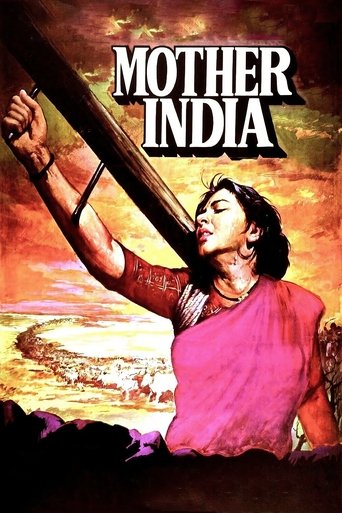
- Her role in Mother India was uncredited despite its significance
- Was known for her professionalism and punctuality on film sets
- Spoke fluent Urdu, Hindi, and English
- Was offered lead roles early in her career but preferred supporting roles that offered more variety
In Their Own Words
'I never felt I was playing second fiddle to anyone. Every role had its own importance and I gave my best to each one.' - Interview in 1998
'Guru Dutt taught me that cinema is not just about glamour, it's about creating moments that stay with people forever.' - On her mentor
'The 1950s and 60s were the best time for Hindi cinema. We made films with heart and soul.' - Reflection on golden era
Frequently Asked Questions
Who was Kumkum?
Prominent Indian actress from the 1950s and 1960s Golden Age of Hindi cinema, known for her versatile supporting roles in over 100 films including classics like 'C.I.D.', 'Naya Daur', and 'Sahib Bibi aur Ghulam'.
What films is Kumkum best known for?
Titles linked here include C.I.D. (1956), Naya Daur (1957).
When was Kumkum born and when did she die?
Born July 22, 1934; died July 28, 2020.
How was Kumkum discovered in films?
Kumkum was discovered by legendary filmmaker Guru Dutt when she was 19 years old, who gave her her debut role in 'Mr. & Mrs. '55' (1955) and became her mentor in the film industry.
What was Kumkum's acting style?
Kumkum was known for her versatile acting style, excelling in both comedic and dramatic roles with natural expressiveness and grace. She particularly shone in dance sequences and played spirited, independent women who challenged traditional norms.
Did Kumkum win any major awards?
While Kumkum didn't receive major formal awards during her career, she was widely recognized as.
What was Kumkum's personal life like?
Kumkum married film director S. Ali Raza in 1958 and had two children. She maintained a private life away from the film industry's glamour and largely withdrew from public life after her husband's death in 2007.