Bert Darley
Actor
- Active
- 1924-1924
Films 1
About Bert Darley
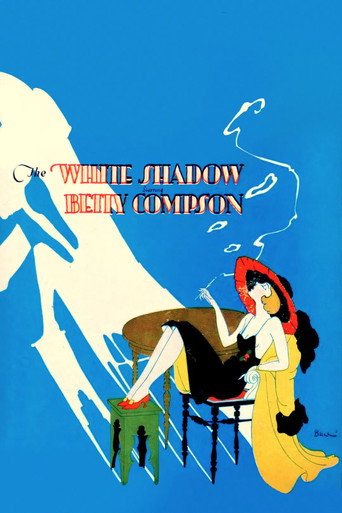
Bert Darley appears in surviving film records as a very early silent-era screen actor, but information about his private life and full career is extremely limited. He is credited in 1924 for an appearance in The White Shadow, a British silent feature associated with Graham Cutts and Alfred Hitchcock in the production orbit, which places Darley within an important transitional moment in international silent cinema. Beyond that credit, readily verifiable documentation about his biography, training, stage background, or subsequent career is sparse, suggesting either a brief screen career or participation in films whose records did not survive in detail. Because of this scarcity, he is best understood as one of many lesser-documented performers whose names remain preserved primarily through film credits rather than extensive publicity materials. No reliable evidence has surfaced here for a later film career, major stardom, or extensive studio attachment. His historical significance lies mainly in his participation in a notable silent film of the 1920s and in representing the large body of early screen actors whose contributions are known only fragmentarily. Further archival research in trade papers, studio files, and period press would be needed to reconstruct a fuller biography with confidence.
More about Bert Darley
In film history
Bert Darley's cultural impact is indirect rather than widely documented. His value to film history comes from his presence in The White Shadow (1924), a film of note in silent-cinema scholarship because it belongs to the early career environment that would later be associated with Alfred Hitchcock. Performers like Darley helped populate the silent screen, contributing to the texture and realism of early features even when their names were not promoted as stars. In that sense, he is part of the broader history of supporting actors whose work is embedded in the foundations of classic cinema, despite the fact that they are now poorly documented.
Later reputation
Darley's legacy is primarily archival. He remains a traceable name in early film history through surviving cast information, which makes him relevant to researchers compiling complete records of silent-era productions. For movie databases and historians, his existence underscores the importance of preserving cast credits even for performers about whom little else is known. His name endures as a small but legitimate piece of the historical record surrounding The White Shadow and the early 1920s British film industry.
Influence
There is no verifiable evidence that Bert Darley directly influenced later actors or directors in a documented way. Any influence he had would have been limited to his contribution to the ensemble work of silent film acting, where performers collectively shaped screen performance norms. His historical influence is therefore best understood as part of the broader, often anonymous labor that supported the development of film acting in the silent period.
Off screen
No reliable public information has been located about Bert Darley's personal life, including family background, marriages, children, residence, or later years. The surviving record is too thin to state any of these details responsibly. At present, he should be treated as a largely undocumented early-screen performer whose personal history remains unknown in accessible sources.
Credits
- Screen credit for The White Shadow (1924), a significant silent-era production
- Association with an early 1920s British film of enduring historical interest because of its connection to Alfred Hitchcock's early career context
- Presence in surviving film records as part of the cast of a notable silent feature
- Representation of the many early cinema performers whose work survives chiefly through archival credit listings
Roles
- Role in The White Shadow (1924)
Films
- The White Shadow (1924)
Notes
- He is chiefly documented through a single surviving film credit rather than a broad publicity or studio record.
- His known screen activity is limited to 1924, making him one of many early actors with a very narrow surviving filmography.
- The White Shadow has historical interest because it is associated with Alfred Hitchcock's early career environment, which makes even minor cast members notable to film historians.
- No reliable birth or death dates are readily available in standard reference material from the information currently accessible.
- He is an example of how many silent-era performers remain partly anonymous despite appearing in important films.
- Because his record is so sparse, he may require archival research in period newspapers and trade publications for further identification.
Questions
Who was Bert Darley?
Bert Darley was a silent-era screen actor known from a surviving credit in The White Shadow (1924). Beyond that film appearance, very little reliable biographical information is currently documented in accessible reference sources.
What films is Bert Darley best known for?
He is best known for The White Shadow (1924), the only clearly identifiable screen credit available in the record used here. No additional confirmed filmography is readily verifiable from the available information.
When was Bert Darley born and when did he die?
His birth and death dates are not currently available in the accessible record. There is not enough verified biographical material to state those details confidently.
What awards did Bert Darley win?
No awards or nominations are currently documented for Bert Darley in the available sources. He appears to have been a little-documented supporting performer rather than a publicly decorated star.
What was Bert Darley's acting style?
No detailed critical descriptions of his acting style have been found in the accessible record. As a silent-era performer, his work would have relied on the expressive physical and visual techniques typical of the period, but no specific style can be verified.
What is Bert Darley's legacy in film history?
His legacy is primarily archival, as a named participant in an important early silent film. He represents the many lesser-known performers whose credits help historians reconstruct the collaborative history of classic cinema.