Films
4 films
About Andrei Gorchilin
Soviet-era actor active during the silent and early sound periods, appearing in films from the mid-1920s through the early 1930s. The available record for him is limited and largely filmography-based, which is common for many performers working in early Soviet cinema, where archival documentation can be fragmentary. He is known to have appeared in Banda batki Knysha (1924), A Simple Case (1932), and The Great Consoler (1933), placing him in productions that span the transition from silent film to early talkies. His screen work suggests a career connected to the Soviet film industry during a formative period of experimentation, ideological consolidation, and stylistic development. Because surviving biographical details are scarce, much of his life outside these credited roles remains undocumented in widely accessible reference sources. He should be understood primarily as a supporting-era classic cinema performer whose contribution is preserved through his participation in important early Soviet features. His presence in the film record helps illustrate the many working actors who sustained the national cinema of the period even when their personal histories were not extensively recorded.
The Craft
Milestones
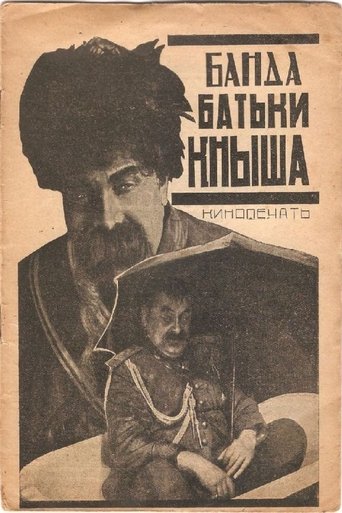
- Appeared in Banda batki Knysha (1924), one of his earliest known screen credits
- Worked through the transition from silent cinema into the early sound era
- Featured in A Simple Case (1932), a title associated with early Soviet talking-picture production
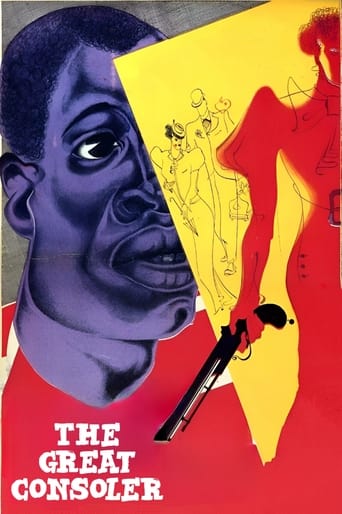
- Appeared in The Great Consoler (1933), keeping him active in the early 1930s Soviet screen industry
- Maintained a screen presence across nearly a decade during a rapidly changing period in Soviet film history
Best Known For
Must-See Films
Why They Matter
Impact on Culture
Andrei Gorchilin's cultural impact is best understood in the context of early Soviet cinema, where many actors contributed to a rapidly expanding film culture without becoming major stars with extensive surviving documentation. His credits place him within a crucial historical transition: the movement from silent films to sound films in the Soviet Union. Even when an actor's name is not widely recognized today, participation in films from this period contributes to the texture and authenticity of the era's cinematic output. Gorchilin's work is part of the broader body of performances that helped define the performance conventions, visual language, and social themes of Soviet film in the 1920s and 1930s.
Lasting Legacy
Gorchilin's legacy lies primarily in his presence within the historical record of classic Soviet cinema rather than in a large body of widely cited star performances. For modern film historians, actors like him are important because they represent the working professionals who made the cinema of the period possible, even when they were not the subject of extensive publicity or memoir literature. His surviving film credits preserve a trace of his participation in the artistic and industrial development of Soviet filmmaking. In database and archival contexts, his name remains a valuable identifier for scholars mapping the personnel of early Russian and Soviet film production.
Who They Inspired
There is no documented evidence that Andrei Gorchilin directly mentored major later performers or exerted a clearly traceable stylistic influence on subsequent generations. His influence is therefore indirect: he belongs to the cohort of early Soviet actors whose work formed part of the practical tradition inherited by later screen performers. By appearing in films across both silent and early sound eras, he contributed to the continuity of acting practice during a highly transitional moment in cinema history. That historical continuity itself is part of his significance.
Off Screen
No reliable public biographical information about Andrei Gorchilin's personal life, family background, marriages, or private affairs is readily available in standard film reference sources. This lack of documentation is not unusual for lesser-documented performers from early Soviet cinema, whose careers were often recorded more fully than their personal histories. As a result, any detailed account of his domestic life would be speculative and is best left unconfirmed. The surviving record identifies him chiefly through his screen credits rather than through biographical interviews, memoirs, or archival profiles.
Education
No verified information is readily available regarding his education or acting training.
Did You Know?
- His known screen career spans the silent era and the early sound era, which is historically significant in Soviet film history.
- The surviving public record for him is extremely limited, making him one of many early cinema figures known mainly through film credits.
- He is associated with Soviet cinema rather than Hollywood or Western European production.
- His filmography places him active at a time when Soviet cinema was developing both its artistic identity and its industrial infrastructure.
- He appeared in The Great Consoler (1933), a title from the early Stalin-era period of Soviet film production.
- Because biographical sources are scarce, his exact birth and death details are not readily verifiable.
- His career illustrates how many classic-era actors remain significant to historians even when they are not widely famous today.
Frequently Asked Questions
Who was Andrei Gorchilin?
Soviet-era with credits in this catalog. He is known from surviving film credits rather than from extensive biographical documentation, and he appears to have worked mainly in early Soviet productions.
What films is Andrei Gorchilin best known for?
Titles linked here include Banda batki Knysha (1924), A Simple Case (1932).
When was Andrei Gorchilin born and when did he die?
No reliably verified birth or death date is readily available in standard reference sources. As a result, both details remain unknown in the public record currently accessible for this actor.
What awards did Andrei Gorchilin win?
No documented awards or formal honors are readily available for Andrei Gorchilin. This does not mean he was unimportant; rather, it reflects the incomplete survival of records for many early cinema performers.
What was Andrei Gorchilin's acting style?
No detailed contemporary descriptions of his acting style are readily available. Based on the period in which he worked, he would have performed within the conventions of Soviet silent and early sound cinema, which often balanced expressive physical acting with increasingly naturalistic screen performance.
Why is Andrei Gorchilin important to film history?
He is important as part of the working body of actors who helped build early Soviet cinema during a formative period. Even with limited surviving biographical information, his film credits place him within a historically significant transition in world film history.