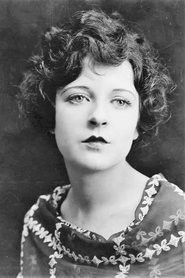
May McAvoy
Actor
Born: September 8, 1899 in New York City, New York, USA Died: April 26, 1984 Active: 1917-1937
Films
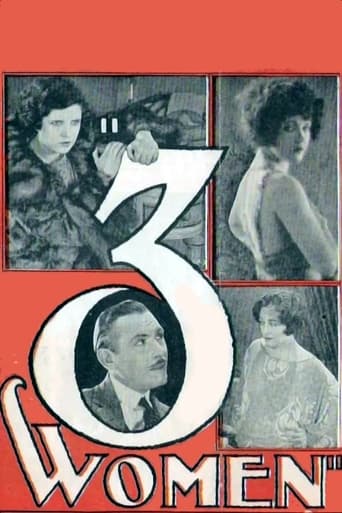
3 films
About May McAvoy
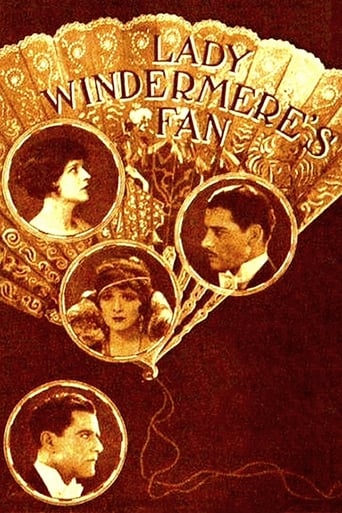
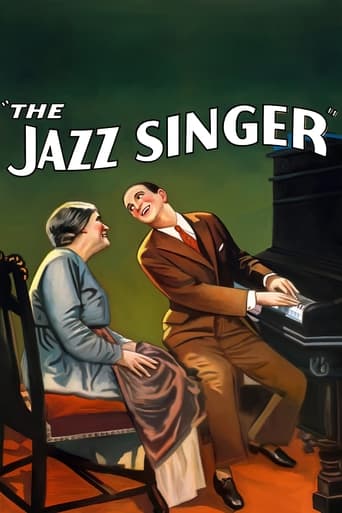
Prominent American actress who rose to stardom during the silent film era and successfully transitioned into early talkies. Born in New York City in 1899, she began her film career in the early 1920s and quickly became one of Warner Bros.' most valuable contract players, known for her wholesome beauty and natural acting style. Her breakthrough came with Ernst Lubitsch's sophisticated comedy 'Lady Windermere's Fan' (1925), which showcased her ability to handle both dramatic and comedic material. McAvoy reached the pinnacle of her career when she was cast as the female lead opposite Al Jolson in 'The Jazz Singer' (1927), the landmark film that revolutionized cinema with its synchronized sound sequences. As the sound era progressed, her career gradually declined despite her clear speaking voice, and she transitioned to supporting roles and eventually retired from acting in the late 1930s. After leaving Hollywood, she dedicated herself to family life and later worked as a real estate agent, living quietly until her death in 1984 at age 84.
The Craft
On Screen
May McAvoy was known for her naturalistic acting style that contrasted with the more exaggerated performances common in silent cinema. She possessed a delicate screen presence with expressive eyes that could convey complex emotions without dialogue, making her particularly effective in dramatic roles. Her acting was characterized by subtlety and restraint, which made her transition to sound films smoother than many of her contemporaries. McAvoy had a clear, pleasant speaking voice that was well-suited for early recording technology, and she adapted her performance techniques to accommodate the new demands of sound cinema while maintaining the emotional authenticity that had made her a silent film star.
Milestones
- Breakthrough role in Ernst Lubitsch's 'Lady Windermere's Fan' (1925)
- Starred as female lead in 'The Jazz Singer' (1927), the first feature film with synchronized dialogue
- Successfully transitioned from silent films to talkies
- One of Warner Bros.' top contract stars during the mid-1920s
- Appeared in over 80 films during her career
Best Known For
Iconic Roles
Must-See Films
Accolades
Special Recognition
- Hollywood Walk of Fame star (located at 6306 Hollywood Boulevard)
Working Relationships
Worked Often With
Studios
Why They Matter
Impact on Culture
May McAvoy played a significant role in cinema history as the leading lady in 'The Jazz Singer,' the film that effectively ended the silent era and ushered in the age of sound pictures. Her performance in this groundbreaking film demonstrated that silent film stars could successfully transition to talkies, provided they had suitable voices and acting techniques. As one of the few actresses who made this transition successfully, she helped pave the way for other silent era performers to adapt to the new technology. McAvoy's work with director Ernst Lubitsch in 'Lady Windermere's Fan' also contributed to the development of sophisticated comedy in American cinema, showcasing how European directorial sensibilities could be successfully integrated into Hollywood productions. Her career trajectory, from silent film stardom to supporting roles in talkies, reflects the broader transformation of Hollywood during this pivotal period in film history.
Lasting Legacy
May McAvoy's legacy is primarily tied to her historic role in 'The Jazz Singer,' which remains. While her name may not be as widely recognized today as some of her contemporaries, film historians and classic cinema enthusiasts recognize her as an important figure who bridged the silent and sound eras. Her ability to adapt her acting style for the new medium of sound film demonstrated the versatility required of actors during this transitional period. McAvoy's career serves as a case study in the challenges faced by silent film stars when sound revolutionized the industry, and her relative success in this transition set an example for others. Her work in sophisticated comedies like 'Lady Windermere's Fan' also contributed to the evolution of cinematic comedy, helping establish new standards for subtlety and wit in film performances.
Who They Inspired
May McAvoy influenced other actors primarily through her successful transition from silent to sound films, demonstrating that naturalistic acting techniques could work effectively in both mediums. Her performance style, characterized by subtlety and emotional authenticity rather than theatrical exaggeration, prefigured the more realistic acting approaches that would become standard in sound cinema. While she didn't have formal protégés or openly mentor other actors, her career choices and adaptation strategies served as an informal model for other silent film stars facing the challenges of the sound revolution. Her work with European directors like Ernst Lubitsch also helped demonstrate how international filmmaking techniques could be successfully incorporated into American cinema, influencing the broader stylistic development of Hollywood films.
Off Screen
May McAvoy was married three times throughout her life. Her first marriage was to director Bertram 'Bert' Lytell in 1929, which ended in divorce in 1931. She then married banker William Crawford in 1932, with whom she had a daughter named Patricia, but this marriage also ended in divorce. Her third and final marriage was to Donald Wood in 1937, which lasted until his death in 1974. After retiring from acting, McAvoy focused on raising her family and later worked as a real estate agent in the Los Angeles area. She lived a relatively private life away from the Hollywood spotlight in her later years, maintaining friendships with former colleagues but rarely granting interviews or making public appearances.
Education
Attended public schools in New York City; no formal acting training mentioned in historical records
Family
- Bertram 'Bert' Lytell (1929-1931)
- William Crawford (1932-1936)
- Donald Wood (1937-1974)
Did You Know?
- She was originally considered for the role of Daisy Buchanan in the 1926 version of 'The Great Gatsby' but lost the part to Lois Wilson
- McAvoy was one of the few actresses who successfully made the transition from silent films to talkies without losing her career momentum
- She earned $1,500 per week at the height of her silent film career, making her one of Warner Bros.' highest-paid contract players
- During filming of 'The Jazz Singer,' she had to perform her scenes multiple times because the early sound equipment was extremely sensitive to any noise
- She was a skilled horseback rider and performed her own stunts in several Western films early in her career
- McAvoy — founding member of the Hollywood Studio Club, which provided housing and support for young women in the film industry
- She retired from acting in 1937 at age 38, relatively young for a film star, to focus on her family
- Her daughter Patricia briefly attempted an acting career in the 1950s but did not achieve the same level of success as her mother
- McAvoy was known for her charitable work and often volunteered at Los Angeles area hospitals during her retirement years
- She maintained a lifelong friendship with co-star Irene Rich, with whom she appeared in multiple films
In Their Own Words
Sound pictures came as a shock to most of us in the business. We had to learn a whole new technique of acting, but it was worth it in the end.
Working with Mr. Lubitsch was like attending a master class in filmmaking. He taught me more about subtle acting than anyone else in Hollywood.
The Jazz Singer changed everything overnight. Suddenly we weren't just pantomiming emotions anymore; we had to speak them, and that made all the difference.
Frequently Asked Questions
Who was May McAvoy?
American actress who rose to fame during the silent film era and successfully transitioned to talkies in the late 1920s. She is best remembered for her role as Mary Dale in 'The Jazz Singer' (1927), the first feature film with synchronized dialogue sequences that revolutionized cinema.
What films is May McAvoy best known for?
Titles linked here include The Jazz Singer (1927), Lady Windermere's Fan (1925).
When was May McAvoy born and when did she die?
Born September 8, 1899; died April 26, 1984.
What awards did May McAvoy win?
May McAvoy received a star on the Hollywood Walk of Fame located at 6306 Hollywood Boulevard, but she did not receive any major film awards during her career. Her legacy is primarily tied to her historic role in cinema rather than formal accolades.
What was May McAvoy's acting style?
May McAvoy was known for her naturalistic and subtle acting style, which contrasted with the more exaggerated performances common in silent cinema. She possessed a delicate screen presence with expressive eyes and a clear speaking voice that helped her successfully transition from silent films to talkies.
How did May McAvoy influence cinema history?
May McAvoy influenced cinema history primarily through her role in 'The Jazz Singer,' the film that ended the silent era and ushered in sound pictures. Her successful transition from silent to sound films demonstrated that actors could adapt to the new technology, helping pave the way for others during this revolutionary period in filmmaking.