Films
3 films

About Dore Davidson
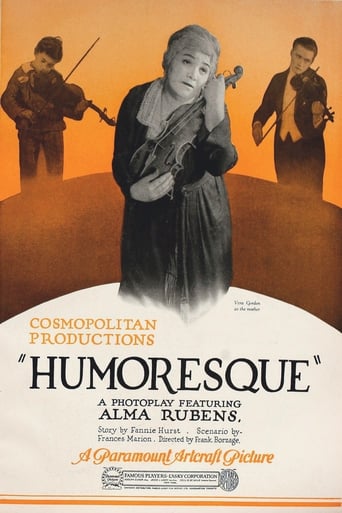
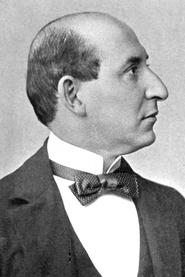
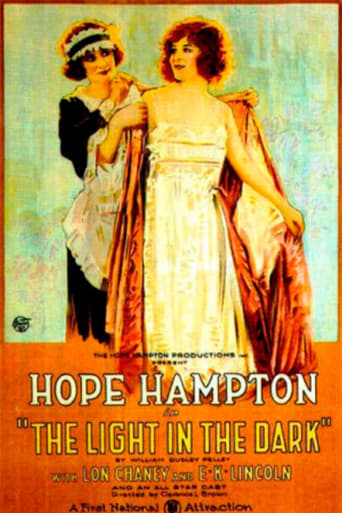
Dore Davidson was cast in a small but memorable group of silent-era and early feature films during the 1920s. He is best remembered today for supporting work in productions such as Humoresque (1920), The Light in the Dark (1922), and East Side, West Side (1927), where he typically played dignified, often sympathetic older men rather than leading roles. Like many actors of the silent period, Davidson left behind far more screen presence than biographical documentation, and surviving records preserve only fragments of his life outside the studio system. His filmography suggests a performer valued for reliability, emotional clarity, and the ability to convey character through expression and physical bearing rather than dialogue. He worked in an era when many actors moved between stage and screen, and his career fits the profile of a seasoned supporting player brought in to strengthen prestige melodramas and socially conscious dramas. Because he did not become a star and because archival information is limited, much of his personal history remains obscure, but his performances contribute to the texture and credibility of silent American cinema. His surviving film appearances place him within a generation of working actors whose craft helped shape the realism and emotional tone of late silent films.
The Craft
On Screen
Dore Davidson appears to have been a character actor whose style depended on understatement, clear visual storytelling, and expressive facial work suited to silent cinema. In the absence of dialogue, supporting players of his type had to communicate moral authority, compassion, concern, or conflict through posture, timing, and controlled gesture. His known roles suggest he was cast for believable elder presence and for the kind of grounded performance that anchored melodrama and domestic drama alike. While no detailed contemporary acting analysis of Davidson is widely preserved, his filmography indicates a performer trusted to deliver stability and credibility in ensemble casts.
Milestones
- Appeared in the silent drama Humoresque (1920), one of the better-remembered titles of the early 1920s.
- Acted in The Light in the Dark (1922), contributing to the era's emotionally driven feature filmmaking.
- Worked in East Side, West Side (1927), near the end of the silent era and within a socially aware urban drama context.
- Established himself as a dependable supporting actor rather than a star, a common and important role in silent-era production.
- Built a screen career concentrated in the early-to-mid 1920s, when character actors were essential to studio storytelling.
Best Known For
Iconic Roles
Must-See Films
Why They Matter
Impact on Culture
Dore Davidson's cultural impact lies less in celebrity than in the accumulated value of dependable character acting during the silent era. Performers like Davidson helped give early feature films their social texture, supplying believable parents, professionals, elders, and authority figures who grounded the emotional stakes of melodramas and urban stories. Even when individual names were not widely advertised, these actors were crucial to the credibility of the expanding American feature film industry. Davidson's appearances in notable silent pictures connect him to an important period when screen acting was evolving toward greater subtlety and psychological realism. His work is representative of the many supporting artists whose contributions shaped audience expectations of dramatic authenticity in early cinema.
Lasting Legacy
Davidson's legacy is primarily archival and historical: he is part of the large group of silent-era actors whose careers survive in film credits, trade references, and surviving prints rather than extensive biographies. For film historians, his name helps map the network of supporting players who sustained the silent feature economy and gave continuity to studio production. His film appearances provide evidence of the kinds of seasoned performers that productions relied on to balance stars, emerging talents, and ensemble casts. Though not a household name, he remains a useful figure for understanding the working structure of American silent cinema and the importance of character actors in shaping its emotional world. His preserved credits ensure that he remains a documented participant in one of cinema's most formative periods.
Who They Inspired
There is no clear record that Dore Davidson directly mentored major later stars or directors, but his type of work influenced the broader tradition of screen character acting. Supporting performers of his generation demonstrated how to communicate meaning economically, a skill that remained important as cinema transitioned from silent to sound storytelling. The understated, visually precise approach demanded in silent film helped establish performance norms that later actors continued to adapt. Davidson's contributions belong to the larger influence of silent-era ensemble players on the craft of screen realism.
Off Screen
Very little reliably documented information survives about Dore Davidson's personal life, which is common for many supporting players from the silent era whose careers were recorded more fully than their private histories. Available reference sources do not clearly establish his family background, marital history, children, or education. He does not appear to have been a major press figure, and there is no widely cited record of notable scandals, public interviews, or personal memoir material. As a result, his off-screen life remains largely undocumented in standard film-reference materials.
Did You Know?
- Dore Davidson is chiefly remembered through his film credits rather than through extensive biographical coverage.
- His surviving screen work falls entirely within the silent era, spanning 1920 to 1927.
- He is one of many supporting actors whose names appear in film histories even when personal details remain scarce.
- His known films include both early-1920s drama and a late silent-era title from 1927.
- He was active during a transitional period when silent film acting was becoming more restrained and naturalistic.
- His career shows the importance of character actors in prestige features, not just leading players.
- There is no widely documented record of major awards, suggesting his contribution was recognized mainly through employment and screen credit rather than formal honors.
- Because of limited surviving documentation, he is a useful example of how many silent-era performers remain partially obscure despite real studio-era careers.
Frequently Asked Questions
Who was Dore Davidson?
American with credits in this catalog. He appeared in films such as Humoresque (1920), The Light in the Dark (1922), and East Side, West Side (1927).
What films is Dore Davidson best known for?
Titles linked here include Humoresque (1920), The Light in the Dark (1922).
When was Dore Davidson born and when did he die?
His birth and death dates are not reliably documented in commonly available film-reference sources. Likewise, his birthplace and death details remain unavailable in the surviving public record used for many silent-era performers.
What awards did Dore Davidson win?
No major awards or formal honors are currently documented for Dore Davidson. Like many silent-era supporting actors, his career is preserved more through film credits than through award records.
What was Dore Davidson's acting style?
He appears to have been a character actor with a restrained, expressive silent-film style. His work likely relied on facial expression, posture, and controlled gesture to communicate emotion and authority without dialogue.
What is Dore Davidson's legacy in film history?
His legacy is as part of the reliable supporting cast of the silent era, the actors who gave early feature films credibility and emotional texture. While not a star, he represents the many working performers whose contributions were essential to classic cinema.