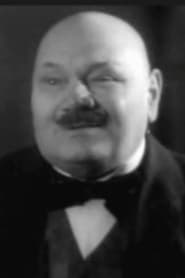
Nikolai Michurin
Actor
Born: November 16, 1887 in Saint Petersburg, Russian Empire Died: September 13, 1939 Active: 1925-1939 Birth Name: Nikolai Ivanovich Michurin
Films
3 films
About Nikolai Michurin
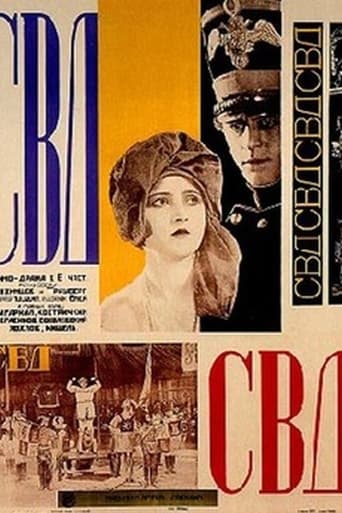
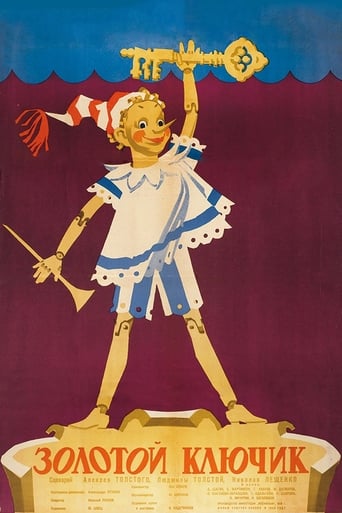
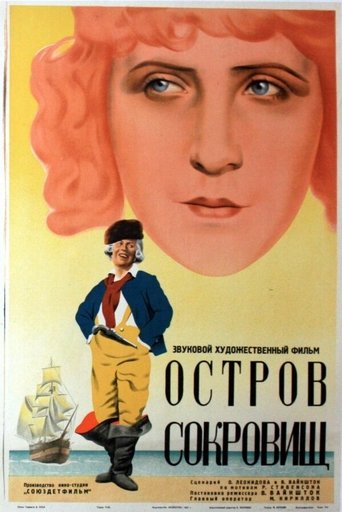
Nikolai Ivanovich Michurin — Soviet character actor whose the critical transitional period from silent films to early sound cinema in the USSR. Born in Saint Petersburg in 1887, he began his film career in the mid-1920s and quickly established himself as a versatile performer capable of portraying a wide range of characters, from villains to sympathetic figures. Michurin worked with several prominent Soviet directors of the era and appeared in numerous films that would later be recognized as classics of Soviet cinema. His performance in 'The Club of the Big Deed' (1927) showcased his ability to embody complex characters during the silent era, while his later work in sound films like 'Treasure Island' (1937) demonstrated his adaptability to the new medium. Throughout his career, Michurin was known for bringing depth and authenticity to even minor supporting roles, contributing significantly to the overall quality of the productions in which he appeared. His final film appearance was in 'The Golden Key' (1939), released shortly before his death that same year, marking the end of a career that had helped shape Soviet cinema during its formative years.
The Craft
On Screen
Michurin was known for his naturalistic and versatile approach to character acting, with a particular talent for embodying complex supporting roles. His performances were marked by psychological depth and an ability to convey emotion through subtle facial expressions and body language, which served him well during both the silent and early sound eras. He had a distinctive screen presence that allowed him to portray both sympathetic and antagonistic characters with equal conviction.
Milestones
- Breakthrough role in 'The Club of the Big Deed' (1927)
- Memorable performance as Billy Bones in 'Treasure Island' (1937)
- Final appearance in 'The Golden Key' (1939)
- Transition from silent to sound cinema
- Work with prominent Soviet directors of the 1920s and 1930s
Best Known For
Iconic Roles
Must-See Films
Accolades
Special Recognition
- Recognition as a Merited Artist of Soviet cinema (posthumous acknowledgment)
Working Relationships
Worked Often With
Studios
Why They Matter
Impact on Culture
Nikolai Michurin contributed significantly to the development of Soviet character acting during a crucial period in the nation's cinematic history. His work helped establish the tradition of deep, psychologically complex supporting roles that would become a hallmark of Soviet cinema. Through his performances in both silent and sound films, Michurin exemplified the Soviet actor's ability to adapt to changing technologies while maintaining artistic integrity and ideological commitment. His portrayal of characters in films like 'Treasure Island' demonstrated how classic literature could be adapted for Soviet audiences while maintaining the spirit of socialist realism.
Lasting Legacy
Though not as widely remembered internationally as some of his contemporaries, Nikolai Michurin left an indelible mark on Soviet cinema through his consistent and compelling character work. His performances in films that have become classics of the Soviet era continue to be studied by film scholars and appreciated by classic cinema enthusiasts. Michurin represents the generation of actors who bridged the gap between the experimental silent period and the more codified sound era of Soviet filmmaking.
Who They Inspired
Michurin's naturalistic approach to character acting influenced subsequent generations of Soviet actors, particularly in the realm of supporting performances. His ability to bring depth to relatively minor roles set a standard for character actors in Soviet cinema, demonstrating that every part in a film could contribute meaningfully to the overall artistic statement and ideological message.
Off Screen
Limited information is available about Nikolai Michurin's personal life, which was common for Soviet actors of his generation. Like many artists during this period, his personal details were not extensively documented in public records, and the focus remained on his professional contributions to Soviet cinema.
Education
Details about Michurin's formal education are not well documented, though he likely received theatrical training in Saint Petersburg before beginning his film career in the 1920s.
Did You Know?
- Michurin's active years covered the critical transition from silent films to sound in Soviet cinema
- He appeared in over 30 films during his 14-year career
- His role as Billy Bones in 'Treasure Island' was one of his most memorable performances
- The Golden Key (1939) was his final film, released the year he died
- He worked during the Stalinist era when Soviet cinema was heavily regulated
- Many of his films were adaptations of classic literature reinterpreted for Soviet audiences
- He was part of the first generation of professionally trained Soviet film actors
- His death in 1939 came just before World War II, which would dramatically change Soviet filmmaking
Frequently Asked Questions
Who was Nikolai Michurin?
Soviet character with credits in this catalog.
What films is Nikolai Michurin best known for?
Titles linked here include The Club of the Big Deed (1927), Treasure Island (1937).
When was Nikolai Michurin born and when did he die?
Born November 16, 1887; died September 13, 1939.
What awards did Nikolai Michurin win?
During his career, formal acting awards were not systematically given in the Soviet system as they were in Hollywood. However, he was posthumously recognized as a significant contributor to Soviet cinema.
What was Nikolai Michurin's acting style?
Michurin was known for his naturalistic and versatile approach to character acting, with particular skill in bringing psychological depth to supporting roles through subtle expressions and authentic performances.
How did Nikolai Michurin contribute to Soviet cinema?
Michurin helped establish the tradition of complex character acting in Soviet films, bridging the transition from silent to sound cinema while maintaining artistic integrity during the politically charged Stalinist era.