Marta Golden
Actor
Born: 1888 in Philadelphia, Pennsylvania, United States Died: October 15, 1965 Active: 1915-1917
Films
3 films
About Marta Golden
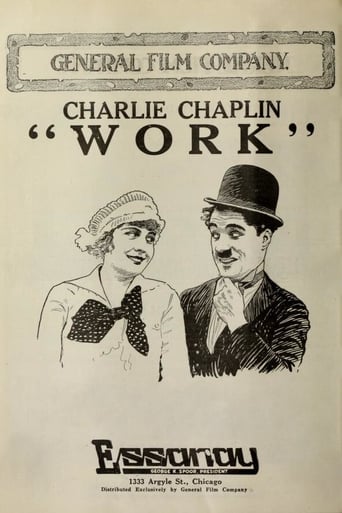
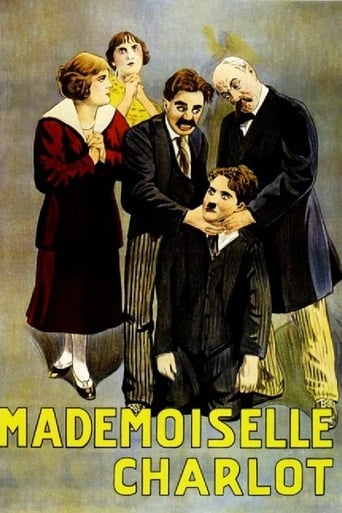
American actress who gained prominence during the silent film era as a member of Charlie Chaplin's stock company at Mutual Film Corporation. Born in 1888, she began her film career in the mid-1910s and quickly became one of Chaplin's reliable supporting players, appearing in numerous of his celebrated short comedies. Golden possessed a versatile screen presence, able to play both sympathetic and comic roles with equal effectiveness. Her most productive period was from 1915 to 1917, during which she appeared in twelve of Chaplin's Mutual shorts, often playing society women, mothers, or romantic interests. Despite her brief but significant career in early cinema, she largely disappeared from the film industry after 1917, with her final screen appearances occurring in the late 1910s. Golden's contribution to silent comedy, while not widely recognized today, represents an important part of Chaplin's early creative team and the development of cinematic comedy as an art form.
The Craft
On Screen
Marta Golden employed a naturalistic acting style for the era, using expressive facial features and physical comedy techniques typical of silent film performers. She was particularly adept at playing society women with comic pretensions, bringing a subtle wit to her performances that complemented Chaplin's more exaggerated style. Her ability to shift between dramatic and comedic moments made her a valuable supporting player in Chaplin's ensemble casts.
Milestones
- Member of Charlie Chaplin's Mutual Film Corporation stock company
- Appeared in twelve Chaplin shorts during his most creative period
- Played diverse supporting roles in classic silent comedies
- Worked during the golden age of silent comedy
Best Known For
Iconic Roles
Must-See Films
Working Relationships
Worked Often With
Studios
Why They Matter
Impact on Culture
Marta Golden's contribution to early cinema lies primarily in her role as part of Charlie Chaplin's creative ensemble during his most innovative period at Mutual. Though not a star in her own right, her performances helped establish the template for supporting roles in comedy films, demonstrating how secondary characters could enhance the central comedian's work without overshadowing it. Her appearances in films now recognized as classics of cinema history ensure her place in the foundational development of film comedy.
Lasting Legacy
Marta Golden's legacy is preserved through her appearances in some of the most celebrated silent comedies ever made. While she never achieved the fame of Chaplin or other leading actors of her era, film historians and silent cinema enthusiasts recognize her as an important contributor to Chaplin's Mutual period, widely regarded as his creative peak. Her work serves as a valuable example of the ensemble acting that characterized early film comedy production.
Who They Inspired
As a supporting actress in Chaplin's films, Golden influenced the development of ensemble comedy in cinema, helping establish how secondary characters could effectively complement a central comedic performance. Her naturalistic style within the exaggerated world of silent comedy demonstrated the importance of grounded performances in fantastical situations, a technique that would influence generations of comic actors and directors.
Off Screen
Marta Golden remained relatively private about her personal life throughout her career. After retiring from films in the late 1910s, she largely disappeared from public view and entertainment industry records. She spent her later years away from the spotlight, and details about her post-film career and personal relationships remain scarce in historical records.
Did You Know?
- Appeared in twelve of Charlie Chaplin's twelve Mutual Film Corporation shorts
- One of the few actresses to work with Chaplin during his entire Mutual period (1916-1917)
- Often played upper-class or society women in contrast to Chaplin's Tramp character
- Her active years covered only three years but included appearances in multiple film classics
- Like many silent era actors, she did not successfully transition to sound films
- Was part of what many film historians consider Chaplin's most creative period
- Her real name and extensive biographical details remain largely unknown to film historians
- Died relatively unknown despite her contributions to classic films
Frequently Asked Questions
Who was Marta Golden?
American actress who worked during the silent film era, best known as a member of Charlie Chaplin's stock company at Mutual Film Corporation from 1915-1917. She appeared in supporting roles in twelve of Chaplin's classic short comedies during what many consider his most creative period.
When was Marta Golden born and when did she die?
Born 1888; died October 15, 1965.
What awards did Marta Golden win?
Marta Golden did not receive any major awards or nominations during her career. This was common for supporting actors in the silent film era, as formal award ceremonies like the Academy Awards did not exist during the peak of her career.
What was Marta Golden's acting style?
Golden employed a naturalistic acting style for the silent era, using expressive facial features and subtle physical comedy. She was particularly effective at playing society women and upper-class characters, providing a grounded contrast to Chaplin's more exaggerated Tramp character.
Why did Marta Golden's career end so quickly?
Golden's film career was brief, lasting only from 1915-1917, which was typical for many supporting actors in early cinema. After Chaplin left Mutual Film Corporation, she did not continue significantly in films and largely disappeared from the entertainment industry, as was common for many character actors of the period.