Man Ray
Actor & Director
Born: August 27, 1890 in Philadelphia, Pennsylvania, USA Died: November 18, 1976 Active: 1910s-1970s (Film work: 1923-1928) Birth Name: Emmanuel Radnitzky
Films
4 films
About Man Ray
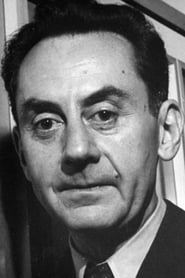
Man Ray, born Emmanuel Radnitzky, was an American visual artist who became a central figure in both the Dada and Surrealist movements while primarily based in Paris. Though renowned for his revolutionary photography and painting, he made significant contributions to avant-garde cinema between 1923-1928, creating experimental films that challenged conventional narrative and visual techniques. His artistic journey began in New York where he befriended Marcel Duchamp before relocating to Paris in 1921, where he quickly became immersed in the European avant-garde scene. During his film period, he created four major works that showcased his innovative approach to the medium, incorporating techniques like solarization, multiple exposures, and non-linear editing. His films were characterized by their dreamlike quality, visual experimentation, and rejection of traditional storytelling, reflecting his broader artistic philosophy. After returning to America during World War II, he eventually went back to Paris where he continued his artistic pursuits until his death in 1976, leaving behind a legacy that spanned multiple artistic disciplines.
The Craft
On Screen
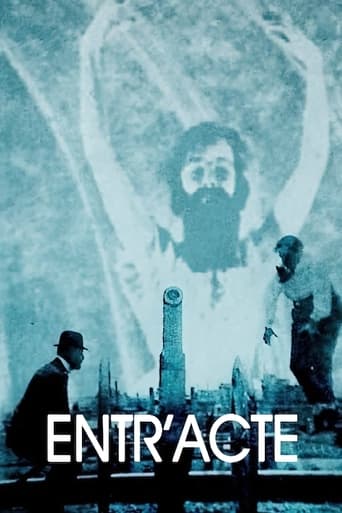
Man Ray's brief acting career was characterized by his participation in experimental films rather than traditional narrative cinema. His appearance in René Clair's 'Entr'acte' (1924) was typical of his approach - embodying the Dadaist spirit of absurdity and anti-art sentiment. His performance style was deliberately unconventional, rejecting traditional acting techniques in favor of embodying the avant-garde ethos of the films he participated in.
Behind the Camera
Man Ray's directing style was deeply influenced by Dada and Surrealist principles, emphasizing visual experimentation over narrative coherence. He pioneered techniques such as rayographs (cameraless photographs), solarization, and multiple exposures to create dreamlike, often disorienting visual experiences. His films rejected conventional storytelling in favor of abstract imagery, symbolic sequences, and visual poetry, often featuring his circle of artist friends and models. His approach was highly personal and introspective, treating film as an extension of his photographic and artistic explorations rather than as a commercial medium.
Milestones
- Development of rayograph (photogram) technique
- work in Surrealist photography
- Creation of influential avant-garde films
- Key figure in Dada and Surrealist movements
- Fashion photography for Harper's Bazaar and Vogue
- Invention of solarization technique in photography
- Major retrospectives at major museums worldwide
Best Known For
Iconic Roles
Must-See Films
Accolades
Won
- Chevalier of the Legion of Honor (France)
- Guggenheim Fellowship for Creative Arts (1974)
Nominated
- Venice Biennale Grand Prize (multiple nominations)
Special Recognition
- Major retrospectives at Centre Pompidou (Paris)
- MoMA (New York) retrospective
- Tate Modern (London) exhibition
- J. Paul Getty Museum retrospective
- Induction into International Photography Hall of Fame
Working Relationships
Worked Often With
Studios
Why They Matter
Impact on Culture
Man Ray revolutionized both photography and experimental cinema through his innovative techniques and artistic vision. His development of rayographs and solarization techniques fundamentally altered the possibilities of photographic art, while his avant-garde films challenged the very definition of cinema as narrative entertainment. As an American expatriate in Paris, he served as a crucial bridge between European and American avant-garde movements, introducing new artistic concepts across continents. His work in film, though brief, demonstrated how cinema could transcend commercial storytelling to become a medium for pure visual expression, influencing generations of experimental filmmakers. His fusion of photography, film, and other art forms helped establish the interdisciplinary approach that would become increasingly common in contemporary art.
Lasting Legacy
Man Ray's legacy extends far beyond his brief but influential film career, establishing him as. His photographic techniques, particularly rayographs and solarization, continue to be studied and employed by contemporary photographers and digital artists. His films, though few, are considered essential viewing in the history of experimental cinema and are regularly screened at film festivals and museum retrospectives. The breadth of his artistic output - spanning photography, painting, sculpture, film, and assemblage - demonstrated the possibilities of multimedia artistic practice long before it became common. His work remains in major museum collections worldwide, and his influence can be seen in everything from fashion photography to contemporary digital art, cementing his status as a foundational figure in modern art history.
Who They Inspired
Man Ray's influence on cinema is particularly evident in the experimental and avant-garde film movements that followed. His non-narrative approach and visual experimentation directly influenced Maya Deren, who is often called the 'mother of avant-garde film in America.' The Surrealist filmmakers of the 1930s and beyond drew from his dreamlike imagery and rejection of conventional storytelling. In photography, his techniques influenced fashion photographers from Richard Avedon to Helmut Newton, while his artistic approach inspired conceptual artists from the 1960s onward. His interdisciplinary approach to art-making helped pave the way for multimedia artists and video artists who would emerge in later decades, demonstrating how different artistic mediums could inform and enhance one another.
Off Screen
Man Ray changed his name from Emmanuel Radnitzky around 1912 to avoid discrimination against his Jewish heritage and to create a distinctive artistic identity. He had a series of significant relationships with women in the Paris art world, most famously with Alice Prin (Kiki de Montparnasse), who served as his muse and model. In 1946, he married Juliet Browner, a dancer and artist, with whom he remained until his death. The couple had no children but maintained a strong partnership both personally and artistically. His personal life was deeply intertwined with his artistic circle, including friendships with Marcel Duchamp, Pablo Picasso, and Salvador Dalí.
Education
Self-taught artist, attended briefly at the Art Students League of New York (1908-1909), studied at the Ferrer School in New York
Family
- Juliet Browner (1946-1976)
Did You Know?
- He invented the rayograph technique accidentally when he placed objects on photosensitive paper without using a camera
- His original surname was Radnitzky, but he shortened it to Ray and adopted 'Man' as his first name
- He created a famous Dada artwork called 'The Gift' - a flat iron with brass tacks attached to its bottom
- He was one of the few American artists to be fully accepted into the Parisian avant-garde scene in the 1920s
- He designed a chess set with Marcel Duchamp that became an iconic work of art
- His photograph 'Le Violon d'Ingres' (showing a woman's back with violin f-holes) is
- He worked as a fashion photographer for major magazines including Harper's Bazaar, Vogue, and Vanity Fair
- During WWII, he returned to America and worked in Hollywood, though he found the commercial film industry restrictive
- His last film 'Les Mystères du Château de Dé' was commissioned by the Vicomte Charles de Noailles
- He was friends with and photographed many famous artists including Picasso, Hemingway, and Gertrude Stein
In Their Own Words
I paint what cannot be photographed, that which comes from the imagination or from dreams, or from an unconscious drive.
There is no progress in art, any more than there is progress in making love. There are simply different ways of doing it.
I have never been able to understand the artist whose picture does not better the reality.
To reproduce is to make something over again, to create is to make something for the first time.
The camera does not create art. The photographer creates art with the camera.
Frequently Asked Questions
Who was Man Ray?
American visual artist who became a central figure in the Dada and Surrealist movements, primarily known for his innovative photography but also for creating influential avant-garde films in the 1920s. Born Emmanuel Radnitzky, he spent most of his career in Paris and revolutionized photographic techniques while also pushing the boundaries of experimental cinema.
What films is Man Ray best known for?
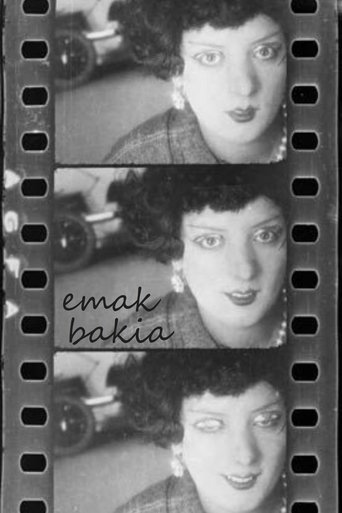
Titles linked here include Return to Reason (1923), Emak-Bakia (1926).
When was Man Ray born and when did he die?
Born August 27, 1890; died November 18, 1976.
What awards did Man Ray win?
While primarily recognized in art circles rather than cinema, Man Ray received numerous honors including being named Chevalier of the Legion of Honor in France and receiving a Guggenheim Fellowship for Creative Arts in 1974. His work has been the subject of major retrospectives at prestigious institutions including MoMA, Centre Pompidou, and Tate Modern.
What was Man Ray's directing style?
Man Ray's directing style was heavily influenced by Dada and Surrealist principles, emphasizing visual experimentation over narrative coherence. He pioneered techniques like rayographs, solarization, and multiple exposures to create dreamlike, disorienting visual experiences that rejected conventional storytelling in favor of abstract imagery and symbolic sequences.