
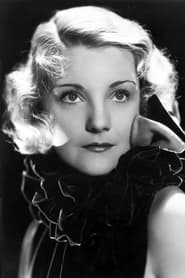
Helen Chandler
Actor
Born: February 1, 1906 in New York City, New York, USA Died: March 30, 1965 Active: 1929-1932
Films
2 films
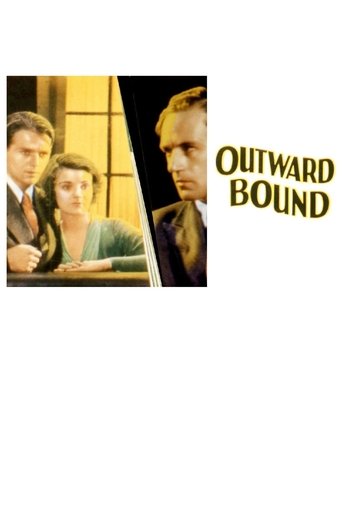
About Helen Chandler
American stage and film actress: brief but memorable screen career was concentrated in the late silent and early sound eras. Born in New York City, she came to prominence first on the legitimate stage before being drawn into motion pictures, where her expressive, slightly fragile screen presence made her well suited to the emotional intensity of early talkies. She is best remembered today for her appearance in Tod Browning's Dracula (1931), in which she played Mina Seward, but she also appeared in other notable films of the period such as Outward Bound (1930), Salute (1929), and The Greeks Had a Word for Them (1932). Chandler's film career was relatively short, and after the early 1930s she largely returned to the stage and gradually withdrew from major Hollywood activity. Her life after her screen peak was marked by personal difficulties and long periods away from the public eye, which has contributed to her reputation as one of the more enigmatic actresses of early sound cinema. Despite a limited filmography, she remains of interest to classic-film historians for the delicacy of her acting style and her association with famous horror films ever made.
The Craft
On Screen
Chandler's acting style was marked by a delicate, emotionally receptive quality that translated well to the intimate camera work of early sound cinema. She often projected vulnerability, sincerity, and a subdued intelligence rather than broad gestures or forceful theatricality, which made her effective in dialogue-heavy material and atmospheric drama. Her performances tend to be remembered for their softness and emotional transparency, an approach that fit the transitional period when film acting was moving away from silent-era expressiveness toward more naturalistic behavior. In her best-known work, she conveyed fear, hesitation, and romantic uncertainty with a quiet intensity that made her especially memorable in horror and melodrama.
Milestones
- Moved from stage acting into motion pictures at the end of the silent era and the dawn of sound cinema
- Appeared in Salute (1929) and Outward Bound (1930), early examples of her screen work during the transition to talkies
- Played Mina Seward in Tod Browning's Dracula (1931), her best-known and most enduring film role
- Demonstrated a restrained, vulnerable screen presence that suited emotional and gothic material in early sound films
- Worked in both stage and film, reflecting the career pattern of many classically trained actresses of her generation
- Retained lasting recognition among horror-film fans and classic-movie historians despite a comparatively small number of surviving screen performances
Best Known For
Iconic Roles
Must-See Films
Working Relationships
Worked Often With
Studios
Why They Matter
Impact on Culture
Helen Chandler's cultural impact rests primarily on her contribution to early sound cinema and, above all, to the enduring mythology of Dracula (1931). While she was not a major long-contract studio star, her performance as Mina Seward helped shape the romantic-vulnerable female archetype in pre-Code horror, balancing innocence with emotional gravity. Her work is often revisited by classic-film scholars because it captures the transitional style of the late 1920s and early 1930s, when stage-trained actors were learning how to modulate performance for the microphone and the camera at the same time. In that sense, Chandler stands as a representative figure of an important Hollywood transition: the move from silent-screen expressiveness to more restrained sound-era realism.
Lasting Legacy
Chandler's lasting legacy is tied less to volume of output than to the memorability of the roles she created in a short period. Dracula secured her a permanent place in film history, especially within horror scholarship and Universal Monsters fandom, where her Mina remains an essential part of the film's emotional structure. Her career is also a useful case study in how many talented actresses of the early talkie era worked briefly on screen, then receded from major studio circulation for reasons that included changing tastes, typecasting, and personal hardship. Because of this, she is remembered as both a distinctive performer and a poignant example of how fragile early film fame could be.
Who They Inspired
Chandler influenced later portrayals of gothic heroines and emotionally vulnerable female leads in horror and melodrama, particularly those who are more than mere victims and instead serve as the emotional center of the story. Her restrained style offered an alternative to broader, more theatrical early sound performances, and modern viewers often respond to the quiet intensity she brought to roles that could have been played more mechanically. She also remains influential indirectly through the continued popularity of Dracula, which has inspired countless actors, filmmakers, and scholars to look closely at the performance styles of its cast. Within classic cinema studies, her career illustrates how a memorable supporting presence can leave a durable mark on popular memory.
Off Screen
Helen Chandler was born in New York City and worked professionally as an actress during a period when many stage performers were adapting to the demands of sound film. Her personal life is less widely documented than that of many major stars of the era, but she was known to have faced significant personal and financial struggles later in life. Accounts of her later years describe a decline in public visibility after her film career waned, and she lived outside the mainstream Hollywood spotlight for much of her adulthood. Because she was not a long-term studio star with a heavily publicized private life, surviving biographical information is comparatively limited, and many details are less certain than those of top-billed contemporaries.
Education
She was educated in New York and trained as a stage actress before entering films, but detailed records of formal schooling are not widely documented in standard film references.
Did You Know?
- Helen Chandler is best remembered today for playing Mina Seward in Tod Browning's Dracula (1931).
- She appeared in both silent-era and early sound films, making her career a snapshot of Hollywood's transition period.
- Outward Bound (1930) and Salute (1929) are among her notable early works from the late silent/early talkie era.
- She had a stage background before entering films, which helped shape her diction and screen poise in early sound pictures.
- Her screen career was relatively short compared with many contemporaries, which makes surviving performances especially valuable to historians.
- She is frequently discussed in connection with Universal horror and the original Dracula ensemble.
- Her performances are often described as subtle and vulnerable rather than flamboyant or overtly theatrical.
- Despite her association with a landmark film, she never became a major long-term studio headliner.
Frequently Asked Questions
Who was Helen Chandler?
American stage and film actress best known for her work in early sound cinema. She is most widely remembered for playing Mina Seward in Dracula (1931), one of the landmark horror films of the era.
What films is Helen Chandler best known for?
Titles linked here include Dracula (1931), Outward Bound (1930).
When was Helen Chandler born and when did she die?
Born February 1, 1906; died March 30, 1965.
What awards did Helen Chandler win?
No major awards or formal honors are widely documented for Helen Chandler in the standard classic-cinema record. Her reputation rests instead on her performances and her association with important early sound films.
What was Helen Chandler's acting style?
Chandler's style was restrained, emotionally delicate, and well suited to early sound film. She often played vulnerable, sincere characters and relied on subtle expression rather than broad theatrical gestures.
What is Helen Chandler's legacy in film history?
Her legacy is tied especially to Dracula and to the transition from silent cinema to talkies. She is remembered as a distinctive early sound actress whose brief career left a lasting impression through a handful of important performances.