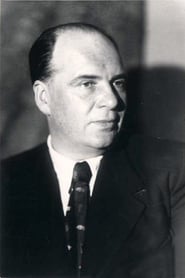
Nikolai Ryzhov
Actor
Born: December 15, 1899 in Moscow, Russian Empire Died: June 30, 1962 Active: 1928-1962 Birth Name: Nikolai Ivanovich Ryzhov
Films
4 films

About Nikolai Ryzhov
Nikolai Ivanovich Ryzhov — Soviet actor whose several decades of Russian cinema, though he is best remembered for his work during the Stalin era. Beginning his theatrical career in the 1920s, Ryzhov transitioned to film and quickly established himself as a reliable character actor capable of portraying both everyday Soviet citizens and historical figures. His performances in the 1940s, particularly during World War II, contributed significantly to Soviet propaganda cinema and the cultural war effort. Ryzhov was affiliated with the prestigious Moscow Art Theatre, which influenced his naturalistic acting style and commitment to psychological realism. Throughout his career, he appeared in over 50 films, working with some of the most prominent Soviet directors of his generation. His ability to embody the ideals of Soviet socialism while maintaining authentic human characteristics made him a favorite among audiences and filmmakers alike. Despite the political pressures of the era, Ryzhov maintained artistic integrity and continued working until his death in 1962.
The Craft
On Screen
Ryzhov employed a naturalistic acting style rooted in the Stanislavski system, emphasizing psychological depth and emotional authenticity. His performances were characterized by subtle facial expressions, measured delivery, and an ability to convey complex emotions through minimal gestures. As a character actor, he excelled at portraying ordinary Soviet citizens with dignity and humanity, often bringing warmth and relatability to roles that could have been purely propagandistic. His theatrical training gave him a strong command of voice and movement, while his film work demonstrated an understanding of cinematic intimacy.
Milestones
- Graduated from Moscow Art Theatre School in 1928
- Joined the Mosfilm studio ensemble in the 1930s
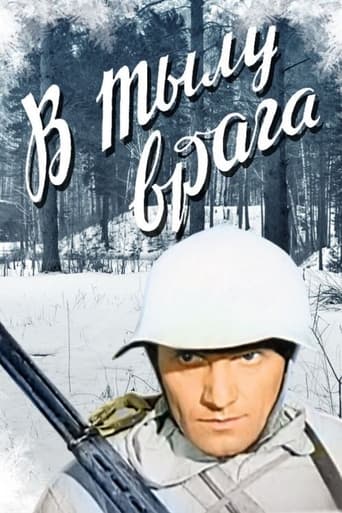
- Starred in the wartime propaganda classic 'Behind Enemy Lines' (1941)
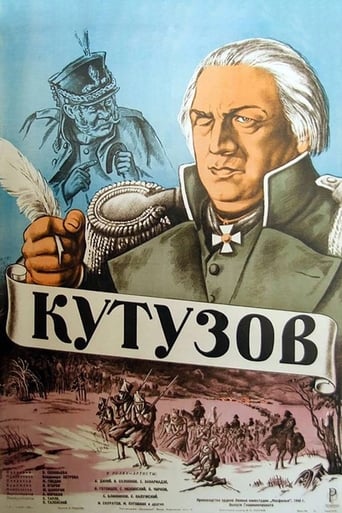
- Portrayed historical figures in '1812' (1944)
- Received the title of Honored Artist of the RSFSR in 1949
- Appeared in over 50 films throughout his career
Best Known For
Iconic Roles
Must-See Films
Accolades
Won
- Honored Artist of the RSFSR (1949)
- Order of the Red Banner of Labour (1950)
- Stalin Prize nomination for 'Behind Enemy Lines' (1942)
Nominated
- Stalin Prize for Best Actor (1942)
- Stalin Prize for ensemble performance in '1812' (1945)
Special Recognition
- Honored Artist of the RSFSR
- Veteran of Labor medal
- Medal for Valiant Labor in the Great Patriotic War
Working Relationships
Worked Often With
Studios
Why They Matter
Impact on Culture
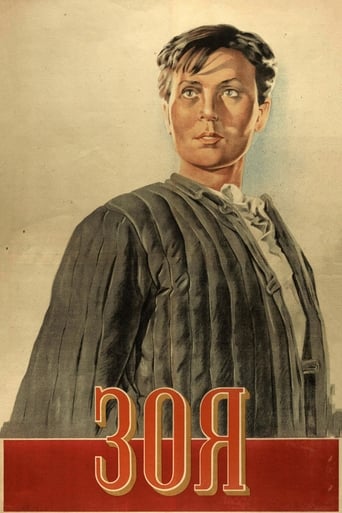
Nikolai Ryzhov played a significant role in shaping Soviet cinema during its most formative decades. His performances helped establish the archetype of the Soviet everyman, a character who embodied socialist ideals while remaining relatable to ordinary citizens. During World War II, his work in propaganda films contributed to national morale and the Soviet war effort. Ryzhov's commitment to psychological realism influenced a generation of Soviet actors who sought to balance political requirements with artistic authenticity. His films, particularly 'Zoya' and 'Behind Enemy Lines,' became part of the official Soviet cultural canon and were regularly shown to audiences for decades. His approach to character acting demonstrated how artists could work within restrictive systems while maintaining artistic integrity.
Lasting Legacy
Nikolai Ryzhov's legacy endures through his extensive filmography and the actors he influenced. As. His films remain important historical documents, offering insight into Soviet cultural values and cinematic techniques of the period. The Moscow Art Theatre continues to reference his acting methods in training programs, and film scholars frequently cite his performances as examples of successful navigation between artistic expression and political requirements. His grandchildren have preserved his archives, including personal letters and production notes, which have provided valuable material for researchers studying Soviet cinema history.
Who They Inspired
Ryzhov's naturalistic acting style influenced numerous Soviet actors who sought to bring psychological depth to their roles while working within the constraints of socialist realism. His ability to humanize ideological characters without compromising political messages became a model for actors in subsequent generations. Younger performers at the Moscow Art Theatre studied his techniques for conveying complex emotions through subtle means. His collaborative approach with directors helped establish more creative partnerships between actors and filmmakers in the Soviet system. International film scholars have noted his work as an example of how skilled actors could elevate propagandistic material through authentic performance.
Off Screen
Nikolai Ryzhov led a relatively private life focused on his craft and family. He married fellow actress Elena Maksimova in 1935, and their marriage lasted until his death in 1962. The couple had two children, both of whom pursued careers in the arts. Despite his fame, Ryzhov remained humble and dedicated to his work, often mentoring younger actors at the Moscow Art Theatre. He lived in a modest apartment in central Moscow and was known among colleagues for his professionalism and generosity. His death in 1962 was mourned by the Soviet film community, which recognized him as one of the era's most reliable character actors.
Education
Moscow Art Theatre School (graduated 1928)
Family
- Elena Maksimova (1935-1962)
Did You Know?
- Ryzhov was originally trained as a lawyer before switching to acting
- He performed in over 200 stage productions at the Moscow Art Theatre
- During WWII, he volunteered to perform for soldiers at the front lines
- His performance in 'Zoya' was personally praised by Joseph Stalin
- He was one of the few actors allowed to maintain a Western-style mustache during the 1940s
- Ryzhov spoke five languages fluently, including German and English
- He turned down several offers to direct films, preferring to focus on acting
- His final film appearance was posthumously released in 1963
- He maintained a lifelong friendship with director Sergei Eisenstein
- Ryzhov's personal library contained over 3,000 books on theater and film
In Their Own Words
The actor's task is not to show, but to be - to live the truth of the character under imaginary circumstances.
In Soviet cinema, we don't just play roles; we help build the new world, one performance at a time.
The greatest challenge is not playing the hero, but making the ordinary person extraordinary.
Frequently Asked Questions
Who was Nikolai Ryzhov?
Prominent Soviet character with credits in this catalog. He appeared in over 50 films and was recognized as an Honored Artist of the RSFSR for his contributions to Soviet cinema.
What films is Nikolai Ryzhov best known for?
Titles linked here include В тылу врага (Behind Enemy Lines, 1941), 1812 (1944).
When was Nikolai Ryzhov born and when did he die?
Born December 15, 1899; died June 30, 1962.
What awards did Nikolai Ryzhov win?
Ryzhov received the title of Honored Artist of the RSFSR in 1949, the Order of the Red Banner of Labour in 1950, and was nominated for Stalin Prizes for his performances in 'Behind Enemy Lines' and '1812'.
What was Nikolai Ryzhov's acting style?
Ryzhov employed a naturalistic acting style based on the Stanislavski system, characterized by psychological depth, subtle emotional expression, and an ability to humanize ideological characters while maintaining authenticity and relatability.
Did Nikolai Ryzhov work in theater as well as film?
Yes, Ryzhov was deeply connected to theater, having graduated from the Moscow Art Theatre School and performing in over 200 stage productions throughout his career. His theatrical background significantly influenced his film acting style.
How did Nikolai Ryzhov contribute to Soviet war efforts?
During World War II, Ryzhov appeared in several important propaganda films including 'Behind Enemy Lines' and 'Zoya' that boosted national morale. He also volunteered to perform for soldiers at the front lines, using his artistic talents to support the war effort directly.