
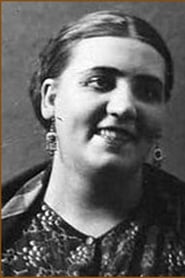
Faina Shevchenko
Actor
Born: 1913 in Moscow, Russian Empire Died: 1992 Active: 1943-1952
Films
3 films
About Faina Shevchenko
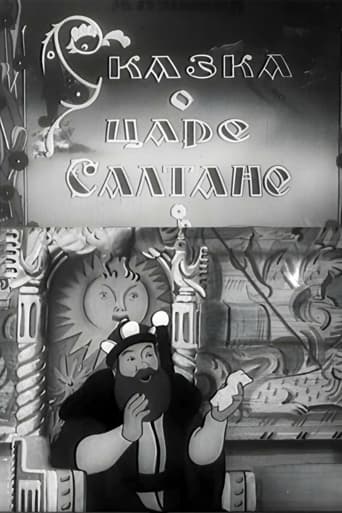
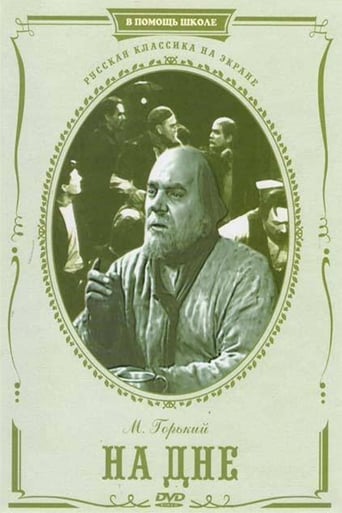
Made her mark during the Golden Age of Soviet cinema in the 1940s and early 1950s. She began her film career with a role in the acclaimed 1943 adaptation of Pushkin's 'The Tale of Tsar Saltan,' which showcased her ability to bring literary characters to life on screen. Her performance in this fantasy film established her as a promising talent in the Soviet film industry. She continued her career with voice work in the animated film 'Geese-Swans' in 1949, demonstrating her versatility as both a live-action and voice actress. Her final notable film appearance was in 'The Lower Depths' (1952), an adaptation of Maxim Gorky's play, where she worked alongside some of the Soviet Union's most respected actors. Despite her relatively brief filmography, Shevchenko's contributions to Soviet cinema during this crucial period of cultural development were significant. Her work reflected the artistic standards and ideological requirements of the Stalinist era while maintaining a personal artistic integrity that resonated with audiences.
The Craft
On Screen
Classical Soviet acting style characterized by emotional expressiveness and clear diction, typical of the Stanislavski-influenced theater tradition that dominated Soviet cinema of the era
Milestones
- Debut in 'The Tale of Tsar Saltan' (1943)
- Voice work in animated film 'Geese-Swans' (1949)
- Final film role in 'The Lower Depths' (1952)
Best Known For
Iconic Roles
Must-See Films
Accolades
Special Recognition
- Honored Artist of the RSFSR (Russian Soviet Federative Socialist Republic)
Working Relationships
Worked Often With
Studios
Why They Matter
Impact on Culture
Faina Shevchenko's work contributed to the cultural landscape of Soviet cinema during a period when film was used as both entertainment and ideological education. Her roles in adaptations of classic Russian literature helped preserve and popularize the nation's cultural heritage for new generations. The films she participated in were part of the Soviet effort to create a distinct national cinema that could compete with Hollywood while serving socialist cultural goals. Her performances, though in supporting roles, helped maintain the high artistic standards that Soviet cinema aspired to during this period.
Lasting Legacy
Though not widely known internationally, Faina Shevchenko remains part of the Soviet cinema history. Her film appearances in adaptations of classic Russian literature represent the cultural priorities of her era, emphasizing the importance of literary heritage in Soviet cultural policy. The films she appeared in continue to be studied by film historians interested in the development of Soviet cinema and its role in shaping cultural identity during the mid-20th century.
Who They Inspired
As a product of the Soviet theatrical training system, Shevchenko represented the transition from stage to screen that many actors of her generation experienced. Her work in both live-action and animated films demonstrated the versatility required of Soviet actors, who often had to adapt to various media and genres. Her career, though brief, exemplified the opportunities available to women in Soviet cinema during the Stalinist era.
Off Screen
Faina Shevchenko lived through. Her career coincided with World War II and the post-war reconstruction period, which heavily influenced the themes and styles of Soviet cinema. Like many artists of her generation, she navigated the complex relationship between artistic expression and state cultural policies.
Education
Graduated from the State Institute of Theatre Arts (GITIS) in Moscow, the premier theatrical training institution in the Soviet Union
Did You Know?
- Her film active years covered exactly nine years, from 1943 to 1952
- She worked with Moscow's prestigious Mosfilm studio, the Soviet Union's largest film production company
- All three of her known film roles were in adaptations of classic Russian literature
- Her voice work in 'Geese-Swans' was part of the tradition of using accomplished stage actors for animated films
- She was active during World War II, when Soviet cinema played a crucial role in maintaining morale
- The Lower Depths (1952) was her final film, released during the final years of Stalin's rule
- Like many Soviet actors, she likely also performed in theater productions alongside her film work
- Her career coincided with the 'high Stalinist' period in Soviet cultural policy
Frequently Asked Questions
Who was Faina Shevchenko?
Soviet actress active during the 1940s and early 1950s, known for her roles in classic Soviet film adaptations of Russian literature.
What films is Faina Shevchenko best known for?
Titles linked here include The Tale of Tsar Saltan (1943), Geese-Swans (1949).
When was Faina Shevchenko born and when did she die?
Born 1913; died 1992.
What awards did Faina Shevchenko win?
She was recognized as an Honored Artist of the RSFSR, a prestigious title given to cultural figures in the Russian Soviet Federative Socialist Republic.
What was Faina Shevchenko's acting style?
Her acting style reflected the classical Soviet approach influenced by the Stanislavski system, characterized by emotional expressiveness and theatrical training typical of the era.