
Grigoriy Aleksandrov
Director
- Born
- January 23, 1903, Yekaterinburg, Russian Empire
- Died
- December 16, 1983
- Active
- 1924-1980s
- Birth name
- Grigoriy Vasilyevich Aleksandrov
Films directed 1
About Grigoriy Aleksandrov
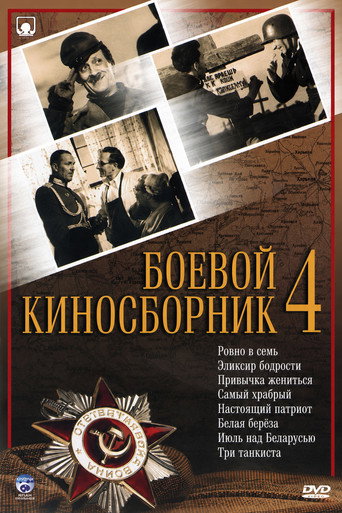
Grigoriy Vasilyevich Aleksandrov (often transliterated as Grigori Aleksandrov) was one of the major Soviet film directors, screenwriters, and producers of the early sound era, best known for bringing musical comedy and large-scale popular entertainment into Soviet cinema. Born in Yekaterinburg, he began his career in the theater and quickly moved into film, where he became closely associated with Sergei Eisenstein during the silent era as an assistant, co-writer, and collaborator on landmark works such as Battleship Potemkin and October. In the 1930s he emerged as a director in his own right and became famous for exuberant, optimistic musical films that helped define the Stalin-era screen style, especially Jolly Fellows, Circus, and Volga-Volga. His films often blended spectacle, comedy, music, and ideological reassurance, making him one of the most visible and influential filmmakers in the Soviet Union. During World War II he continued to work in cinema and contributed to wartime productions, including Collection of Films for the Armed Forces #4 (1941), while later decades saw him remain an important cultural figure and educator in Soviet film life. Aleksandrov is remembered as a central architect of Soviet musical cinema and as a director whose work combined Hollywood-inflected entertainment values with Soviet themes and state cultural priorities.
More about Grigoriy Aleksandrov
Behind the camera
Aleksandrov's directing style is best known for its buoyant, theatrical energy, polished pacing, and deliberate fusion of mass entertainment with ideological messaging. He favored bright spectacle, musical numbers, choreography, broad comedy, and accessible storytelling that could appeal to huge audiences while still aligning with official Soviet values. His films often used romantic optimism, crowd scenes, and carefully staged set pieces to create a sense of abundance, dynamism, and collective joy. At the same time, he adapted Hollywood musical and comedy techniques to Soviet conditions, producing a distinctive hybrid style that was both popular and politically legible.
In film history
Aleksandrov had a profound impact on Soviet popular cinema by proving that musical comedy could be both commercially successful and ideologically acceptable within the Soviet system. His collaborations and solo films helped create a model of cheerful, spectacle-driven cinema that offered audiences escapism, romance, and collective optimism during some of the most politically difficult years in Soviet history. Films such as Jolly Fellows, Circus, and Volga-Volga became cultural touchstones, widely remembered for their songs, performers, and exuberant tone. He also helped shape the public image of Soviet modernity, presenting industry, travel, performance, and mass participation as exciting and uplifting elements of socialist life. Outside the Soviet Union, his work is studied as a significant example of how Hollywood genre forms were adapted to a socialist context.
Later reputation
Aleksandrov's legacy rests on his role as the principal architect of Soviet musical comedy and as one of the defining directors of early Soviet sound cinema. His films remain important not only as entertainment but also as historical documents of Stalin-era cultural policy, propaganda aesthetics, and popular taste. He is remembered as a filmmaker who understood mass audience appeal and translated it into a distinctly Soviet cinematic language that balanced spectacle with political purpose. In film history, he occupies a secure place alongside the most influential Soviet directors, especially for the way his work bridged avant-garde beginnings, studio professionalism, and popular genre filmmaking. His long career and his association with Lyubov Orlova also made him part of the mythology of Soviet screen stardom. Even where later audiences view the ideological dimensions of his work critically, his musical films continue to be admired for their craft, vitality, and historical importance.
Influence
Aleksandrov influenced later Soviet and post-Soviet directors working in musical comedy, satire, and popular entertainment by demonstrating that genre cinema could thrive within a state-controlled industry. His rhythmic editing, crowd choreography, and integration of song and narrative helped establish conventions that filmmakers and television producers would revisit for decades. He also influenced perceptions of how a national cinema could adapt international forms without simply copying them, using Hollywood-style narrative pleasure to serve local ideological and cultural goals. More broadly, his films shaped the performance style of Soviet screen comedy and the public expectations for star-centered entertainment.
Off screen
Aleksandrov's personal life was closely tied to Soviet cinema and to his long creative partnership with Sergei Eisenstein in the early phase of his career. He was married to actress and singer Lyubov Orlova, one of the most celebrated stars of Soviet film, and their partnership became one of the most famous artistic marriages in Soviet cultural history. Their relationship was widely associated with the glamour and popularity of Aleksandrov's musical comedies, in which Orlova often starred as the radiant lead. Beyond his marriage, Aleksandrov was deeply embedded in the cultural elite of the Soviet Union and maintained a public life as both artist and representative of official cinema.
Education
He received early training and experience in theater and performance before entering cinema; specific formal academic credentials are not consistently documented in standard film references, though his practical apprenticeship in stage and film production was decisive.
Credits
- Collaborated with Sergei Eisenstein on major silent-era milestones including Battleship Potemkin and October
- Established himself as a leading Soviet director with the breakthrough musical comedy Jolly Fellows
- Directed Circus, one of the most celebrated and popular Soviet films of the 1930s
- Helmed Volga-Volga, a landmark musical comedy that became one of the best-known Soviet screen entertainments
- Directed wartime and postwar Soviet productions, including Collection of Films for the Armed Forces #4 (1941)
- Served as a major public face of Soviet popular cinema and helped normalize the musical comedy genre in the USSR
- Remained an influential figure in Soviet film culture, including later involvement in teaching and institutional film life
Films
- Battleship Potemkin
- October
- Jolly Fellows
- Circus
- Volga-Volga
- The Russian Question
- Encounter at the Elbe
- Collection of Films for the Armed Forces #4
Awards
- People's Artist of the USSR
- Hero of Socialist Labour
- Order of Lenin
- Stalin Prize
Honors
- Major Soviet state honors for cultural achievement
- Longstanding recognition as a foundational figure in Soviet musical cinema
- Institutional prestige within Soviet film culture and creative organizations
Collaborators
- Sergei Eisenstein
- Lyubov Orlova
- Igor Ilyinsky
- Andrei Popov
- Pavel Armand
- Yakov Protazanov
- Soviet screenwriters, composers, and studio production teams
Studios
- Sovkino
- Mosfilm
- Soviet film production organizations
Family
- Lyubov Orlova
Notes
- He began his career as a theater worker and performer before moving fully into film production.
- He was one of Sergei Eisenstein's closest collaborators during the silent era, helping shape some of the most famous Soviet montage films.
- His musical comedies were enormously popular with Soviet audiences and are among the most enduringly recognizable films of the Stalin period.
- Lyubov Orlova, his wife, became the emblematic star of many of his best-known films.
- He was associated with the development of a distinctly Soviet version of the musical, blending ideological optimism with entertainment spectacle.
- His films often featured memorable songs and crowd sequences that became part of Soviet popular culture.
- He worked across several major phases of Soviet cinema, from silent montage to sound musicals to wartime and postwar studio production.
- Although most famous as a director, he also worked as a screenwriter and producer.
- He was one of the few Soviet filmmakers whose popularity extended well beyond elite critical circles into mass audiences.
Questions
Who was Grigoriy Aleksandrov?
Grigoriy Aleksandrov was a major Soviet film director, screenwriter, and producer, especially important for helping create the Soviet musical comedy. He first gained prominence as a collaborator of Sergei Eisenstein before becoming famous in his own right for upbeat, highly popular films such as Jolly Fellows, Circus, and Volga-Volga.
What films is Grigoriy Aleksandrov best known for?
He is best known for Jolly Fellows, Circus, Volga-Volga, and his early collaboration on Battleship Potemkin and October. He also directed wartime and postwar titles such as Collection of Films for the Armed Forces #4 and The Russian Question.
When was Grigoriy Aleksandrov born and when did he die?
He was born on January 23, 1903, in Yekaterinburg, Russian Empire. He died on December 16, 1983.
What awards did Grigoriy Aleksandrov win?
He received major Soviet honors including the title People's Artist of the USSR, the Hero of Socialist Labour, the Order of Lenin, and the Stalin Prize. These reflected both his artistic prominence and his importance to Soviet cultural life.
What was Grigoriy Aleksandrov's directing style?
His directing style combined spectacle, musical performance, broad comedy, and carefully staged optimism. He adapted some of the energy and polish of Hollywood entertainment into a Soviet framework, creating films that were both popular and politically useful.
What is Grigoriy Aleksandrov's legacy in film history?
Aleksandrov is remembered as the key architect of Soviet musical comedy and one of the central directors of early Soviet sound cinema. His films remain historically important for their cultural influence, their star-making power, and their distinctive blend of entertainment and ideology.