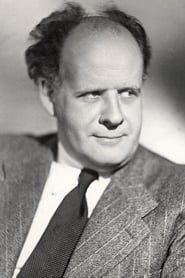
Sergei Eisenstein
Actor & Director
Born: January 23, 1898 in Riga, Russian Empire (now Latvia) Died: February 11, 1948 Active: 1923-1948 Birth Name: Sergei Mikhailovich Eisenstein
Films
8 films
About Sergei Eisenstein
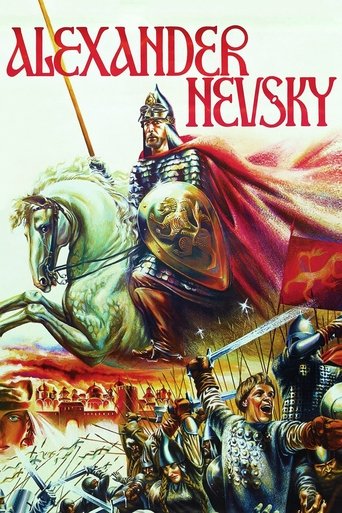
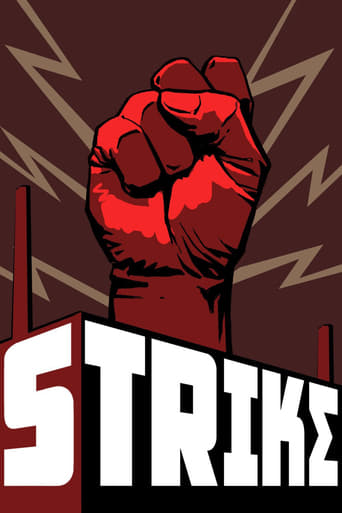
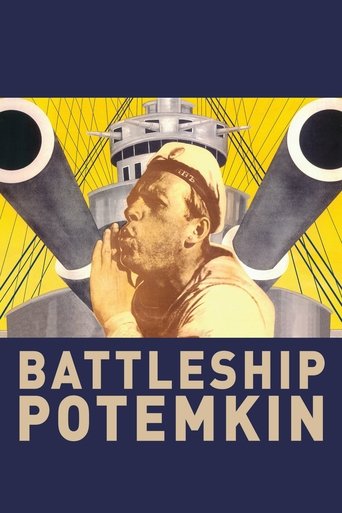
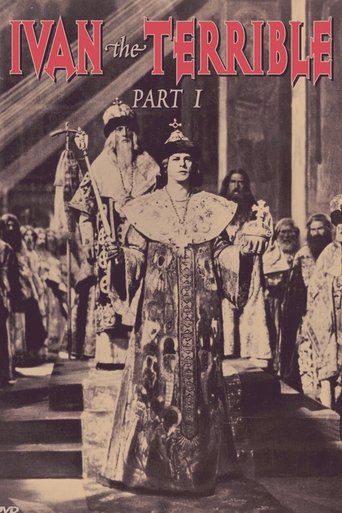
Sergei Mikhailovich Eisenstein — Soviet film director and film theorist, widely regarded as filmmakers in cinema history. Born in Riga in 1898, he initially studied architecture and engineering before serving in the Red Army during the Russian Civil War. His fascination with theater led him to join Vsevolod Meyerhold's experimental theater, where he developed his revolutionary ideas about montage and visual storytelling. Eisenstein's breakthrough came with Strike (1925) and the masterpiece Battleship Potemkin (1925), which showcased his innovative editing techniques and established him as a leading figure in Soviet cinema. His theoretical writings on film technique, particularly his concepts of intellectual montage, became foundational texts in cinema studies. Despite facing political pressure and censorship from Soviet authorities, he continued to create films, including Alexander Nevsky (1938) and the epic Ivan the Terrible series. His work in Mexico on ¡Que Viva México! (1931-32) was interrupted but remains for its ambitious scope. Eisenstein's final years were marked by health problems and political scrutiny, but his legacy as both a filmmaker and theorist cinema worldwide.
The Craft
On Screen
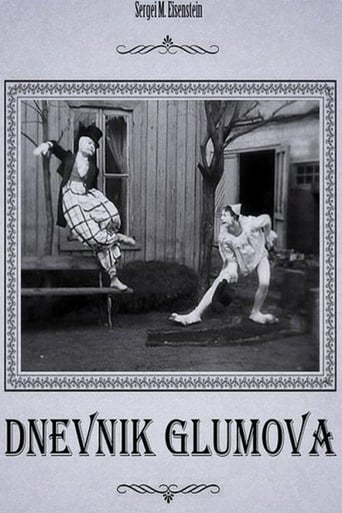
Eisenstein rarely acted, but when he did appear in films like Glumov's Diary (1923), he approached performance with the same theoretical rigor he applied to directing, viewing acting as another element in the cinematic composition that could be manipulated through montage and visual juxtaposition.
Behind the Camera
Eisenstein's directing style was characterized by his revolutionary use of montage, particularly intellectual montage where shots were juxtaposed to create new meaning beyond their individual content. He employed dynamic composition, rhythmic editing, and symbolic imagery to create powerful emotional and ideological effects. His films often featured mass movements and collective protagonists rather than individual heroes, reflecting his Marxist beliefs. He was known for his meticulous planning, detailed storyboards, and theoretical approach to every aspect of filmmaking.
Milestones
- Directed Battleship Potemkin (1925),
- Developed montage theory that revolutionized film editing
- Created the Odessa Steps sequence, iconic in cinema history
- Made films in Soviet Union, Mexico, and attempted projects in Hollywood
- Wrote foundational texts on film theory including 'Film Form' and 'The Film Sense'
- Taught at the State Film School (VGIK) and mentored generations of filmmakers
Best Known For
Iconic Roles
Must-See Films
Accolades
Won
- Stalin Prize (1941) for Alexander Nevsky
- Stalin Prize (1946) for Ivan the Terrible Part I
- Order of Lenin (1938)
- Order of the Red Banner of Labour (1935)
Nominated
- Academy Award nomination for Best Art Direction for Ivan the Terrible (1946, posthumous)
Special Recognition
- Moscow Film School named after him
- Eisenstein Museum in Moscow
- Multiple international film festivals have named awards after him
- UNESCO included Battleship Potemkin in the Memory of the World Register
Working Relationships
Worked Often With
Studios
Why They Matter
Impact on Culture
Eisenstein fundamentally transformed the language of cinema through his development of montage theory and his innovative editing techniques. The Odessa Steps sequence from Battleship Potemkin became. His theories about how images create meaning through juxtaposition became foundational to film education worldwide. His work demonstrated cinema's potential as both art and political propaganda, showing how film could shape public consciousness and ideology. The international recognition of his films helped establish Soviet cinema as a major artistic force and challenged Hollywood's dominance in global film culture.
Lasting Legacy
Eisenstein's legacy extends far beyond his filmography into the very foundations of film theory and practice. His writings on montage remain essential reading in film schools globally, and his techniques continue to influence contemporary filmmakers, music video directors, and advertising creators. The concept that meaning in film emerges from the collision of images rather than their simple sequence revolutionized understanding of cinematic language. His films, particularly Battleship Potemkin, consistently rank among the greatest ever made in international polls. Despite political constraints and unfinished projects, his artistic vision and theoretical innovations created a framework for understanding cinema as an art form that continues to evolve based on his foundational principles.
Who They Inspired
Eisenstein's influence permeates cinema history, from Soviet montage theory to modern Hollywood editing. Alfred Hitchcock explicitly acknowledged Eisenstein's influence on his work, particularly in using editing to create psychological tension. French New Wave directors like Jean-Luc Godard studied and referenced his theories in their revolutionary approaches to film language. Contemporary directors from Martin Scorsese to Quentin Tarantino employ techniques derived from Eisenstein's montage concepts. His influence extends beyond narrative film to documentary, experimental cinema, and even digital media where the juxtaposition of images remains fundamental. Film theorists and critics continue to build upon his ideas about how meaning is constructed through visual relationships, making his work perpetually relevant to understanding media and communication in the digital age.
Off Screen
Eisenstein's personal life was complex and often intertwined with his artistic pursuits. He was openly bisexual during a time when this was dangerous in the Soviet Union, though he married Vera Atasheva in 1934 to maintain social acceptability. His relationships with men, including his close friendship with Grigori Alexandrov, influenced his work and personal struggles. He faced constant pressure from Soviet authorities regarding both his artistic choices and personal life, leading to periods of depression and creative blocks. Despite these challenges, he maintained a prolific output and continued to push artistic boundaries until his death from a heart attack at age 50.
Education
Family
- Vera Atasheva (1934-1948)
Did You Know?
- His father was a successful architect of German Jewish descent, which influenced Eisenstein's initial career choice
- He served in the Red Army during the Russian Civil War as a cartoonist and propaganda artist
- Battleship Potemkin was banned in several countries including Britain and the United States for decades
- The Odessa Steps sequence was filmed in Odessa but the actual steps were much shorter than shown in the film
- He was a talented artist and created thousands of drawings and sketches throughout his life
- His unfinished Mexican project ¡Que Viva México! was partially edited by others into different films against his wishes
- He was arrested during Stalin's purges in 1937 but released after influential colleagues intervened
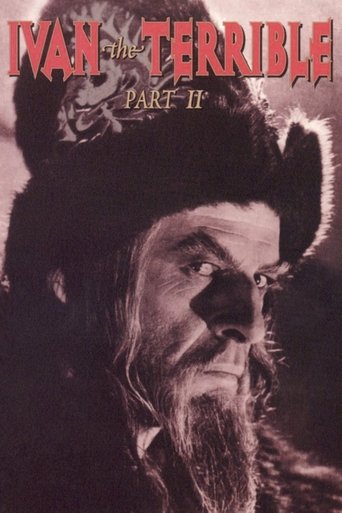
- Ivan the Terrible Part II was banned by Soviet authorities and not shown until 1958, ten years after his death
- He was an avid chess player and saw similarities between chess strategy and film composition
- His theories were influenced by Japanese writing, particularly the haiku, for its ability to create meaning through juxtaposition
- He never won an Oscar during his lifetime but received a special Academy Award nomination posthumously
- His personal diary reveals he struggled with depression and self-doubt despite his professional success
In Their Own Words
Cinema is the synthesis of the plastic arts and the music of drama
The montage of attractions: the selection and combination of the most exciting elements of the action
Art is not a mirror held up to reality but a hammer with which to shape it
The cinema is a dynamic and dialectical art form
Every frame of a film is a work of art, but the true art emerges from the relationship between frames
The conflict between shots is the essence of cinema
Film is a language. A film is a discourse. A film is a communication
The purpose of art is to impart the sensation of things as they are perceived and not as they are known
Frequently Asked Questions
Who was Sergei Eisenstein?
Soviet on YTB.my. He is considered.
What films is Sergei Eisenstein best known for?
Titles linked here include Battleship Potemkin (1925), Strike (1925).
When was Sergei Eisenstein born and when did he die?
Born January 23, 1898; died February 11, 1948.
What awards did Sergei Eisenstein win?
Eisenstein received two Stalin Prizes (1941 for Alexander Nevsky and 1946 for Ivan the Terrible Part I), the Order of Lenin (1938), and the Order of the Red Banner of Labour (1935). He also received a posthumous Academy Award nomination for Ivan the Terrible in 1946.
What was Sergei Eisenstein's directing style?
Eisenstein's directing style was characterized by his revolutionary use of montage, particularly intellectual montage where shots were juxtaposed to create new meaning. He employed dynamic composition, rhythmic editing, and symbolic imagery to create powerful emotional and ideological effects, often featuring mass movements and collective protagonists rather than individual heroes.
How did Eisenstein influence modern cinema?
Eisenstein's theories of montage fundamentally changed how filmmakers understand editing and visual storytelling. His techniques influenced directors from Hitchcock to Godard to Tarantino, and his concepts about how meaning emerges from the relationship between images remain foundational to film education and practice worldwide.
What was Eisenstein's relationship with Soviet authorities?
Eisenstein had a complex relationship with Soviet authorities, receiving both praise and censorship throughout his career. While his early revolutionary films were celebrated, later works faced political scrutiny, and Ivan the Terrible Part II was banned. He was briefly arrested during the purges but released, and his work was often subject to ideological interpretation and control.
What is Eisenstein's lasting legacy in film history?
Eisenstein's legacy encompasses both his influential films and his theoretical writings that transformed understanding of cinema as an art form. His development of montage theory created the foundation for modern film editing, and his films continue to be studied and celebrated as masterpieces of cinematic art. His work established cinema as a serious artistic medium capable of complex intellectual and emotional expression.