Films
4 films
About Natalia Sadovskaya
Soviet actress active during the 1930s and 1940s, a period that coincided with the establishment of socialist realism as the dominant artistic style in Soviet cinema. Her the crucial years of Soviet film development, from the early sound era through the post-war period. Sadovskaya appeared in several significant Soviet productions that reflected the ideological and cultural priorities of the time. Her performances in films like 'The Village Teacher' (1947) demonstrated her ability to embody the archetypal Soviet characters that were central to the cinema of the era. While her filmography was not extensive, her work contributed to the cinematic landscape of mid-20th century Soviet Union. Sadovskaya's career, though relatively brief, intersected with some of the most important developments in Soviet film history, including the transition to sound and the wartime cinema of the 1940s.
The Craft
On Screen
Sadovskaya's acting style was characteristic of the socialist realist tradition, emphasizing clear emotional expression and ideological clarity in her performances. Her approach aligned with the Soviet theatrical tradition of the 1930s-40s, which prioritized accessibility and didactic purpose in character portrayal.
Milestones
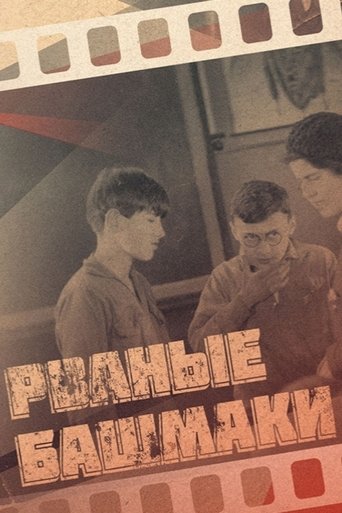
- Film debut in 'Torn Boots' (1933)
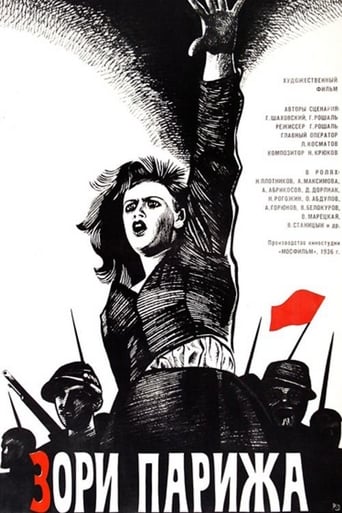
- Appeared in 'The Paris Commune' (1936)
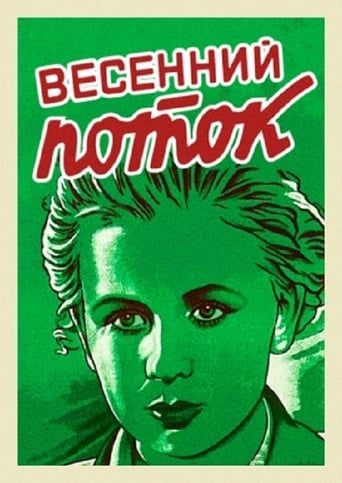
- Starred in 'Spring flow' (1940)
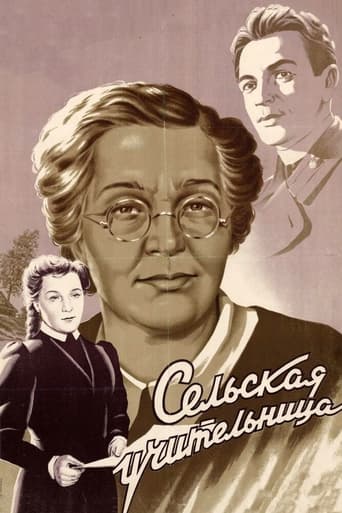
- Featured in 'The Village Teacher' (1947)
Best Known For
Iconic Roles
Must-See Films
Working Relationships
Studios
Why They Matter
Impact on Culture
Natalia Sadovskaya contributed to the cultural landscape of Soviet cinema during a pivotal period in its development. Her work in films of the 1930s and 1940s helped shape the visual and narrative language of socialist realist cinema, which dominated Soviet artistic production for decades. Though not a major star, her performances were part of the collective effort to create a distinctly Soviet cinematic culture that reflected the values and aspirations of the Soviet state.
Lasting Legacy
Sadovskaya's legacy lies in her contribution to the preservation and development of Soviet film heritage during the mid-20th century. Her films serve as historical documents that reflect the artistic, social, and political climate of their time. While detailed information about her career may be limited, her work remains part of the broader tapestry of Soviet cinema history.
Who They Inspired
As a working actress during the formative years of Soviet sound cinema, Sadovskaya was part of the generation that helped establish the conventions and techniques that would influence subsequent generations of Soviet actors. Her work contributed to the development of the acting styles and performance traditions that characterized Soviet cinema throughout the 20th century.
Off Screen
Limited information is available about Natalia Sadovskaya's personal life, which was common for many Soviet actors of her generation who maintained private lives separate from their public artistic work.
Did You Know?
- Appeared in films spanning 14 years from 1933 to 1947
- Worked during the Stalin era of Soviet cinema
- Her career coincided with the establishment of socialist realism as the official artistic doctrine
- Appeared in both pre-war and post-war Soviet productions
- Participated in the Soviet film industry during its transition from silent to sound cinema
- Her filmography includes works from the politically charged 1930s and wartime 1940s
Frequently Asked Questions
Who was Natalia Sadovskaya?
Screen credits include several notable Soviet films including 'Torn Boots' (1933), 'The Paris Commune' (1936), 'Spring flow' (1940), and 'The Village Teacher' (1947). She worked during a pivotal period in Soviet cinema when socialist realism became the dominant artistic style.
What films is Natalia Sadovskaya best known for?
Titles linked here include Torn Boots (1933), The Paris Commune (1936).
When was Natalia Sadovskaya active as an actress?
Natalia Sadovskaya was active as an actress from 1933 to 1947, a 14-year career that spanned crucial years in Soviet cinema history including the establishment of socialist realism and the wartime period.
What was Natalia Sadovskaya's acting style?
Sadovskaya's acting style was characteristic of the socialist realist tradition prevalent in Soviet cinema of her era, emphasizing clear emotional expression and ideological clarity. Her approach aligned with Soviet theatrical conventions that prioritized accessibility and didactic purpose in character portrayal.
What was the cultural significance of Natalia Sadovskaya's work?
Sadovskaya's work contributed to the development of Soviet cinema during a formative period, helping establish the conventions of socialist realist film. Her performances were part of the broader effort to create a distinctly Soviet cinematic culture that reflected the values and artistic principles of the Soviet state.