
Films
2 films
About Nicholas Soussanin
Russian-born character actor: screen career was concentrated in the late silent era, when European émigré performers were frequently cast in aristocratic, military, or otherwise “continental” supporting roles. He is documented in surviving filmographies as appearing in features such as The Swan (1925) and The Last Command (1928), both high-profile productions from the silent period. Like many actors of his generation, his work was largely uncredited or only partially preserved in studio records, which makes a full reconstruction of his life difficult. Surviving references suggest that he was active in the American film industry during the mid-to-late 1920s and may also have had stage experience, though detailed biographical records are scarce. Because of the limited historical documentation, much of his career is known through cast lists and archival film databases rather than extensive contemporary interviews or studio publicity. His surviving screen legacy is that of a minor but authentic presence in silent cinema, contributing atmosphere and character texture to prestige productions. He remains of interest primarily to researchers of silent-era casting, émigré actors in Hollywood, and the supporting players who helped define the look and feel of classic cinema.
The Craft
On Screen
As a silent-era character actor, Soussanin’s style would have relied on restrained physical expression, posture, and facial nuance rather than dialogue. Performers like him were often cast for their authenticity in roles requiring a specific ethnic, social, or continental presence, especially in historical dramas and melodramatic narratives. His screen work likely emphasized composure, dignity, and visually legible gestures that read clearly in intertitles-era filmmaking. Because surviving documentation is limited, his precise mannerisms are not well recorded, but his casting suggests a natural fit for supporting roles that required polished, aristocratic, or military bearing.
Milestones
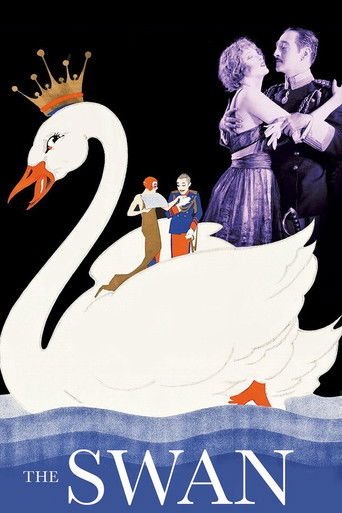
- Appeared in the silent feature The Swan (1925), a notable prestige production of the mid-1920s
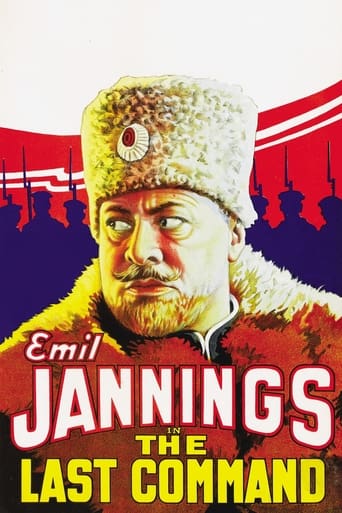
- Acted in Josef von Sternberg’s The Last Command (1928),
- Worked during the final years of the silent film era, when character actors with European backgrounds were in demand for costume dramas and international settings
- Built a screen presence in supporting and atmospheric roles rather than as a marquee star, contributing to the ensemble texture of classic Hollywood productions
Best Known For
Iconic Roles
Must-See Films
Why They Matter
Impact on Culture
Nicholas Soussanin’s cultural impact lies less in celebrity than in the historical value of his presence within silent-era filmmaking. He represents a category of immigrant and émigré performers who helped Hollywood create believable international milieus at a time when studio productions increasingly depended on specialized casting. In films such as The Last Command, actors of his type contributed to the authenticity and visual sophistication that made prestige pictures feel cosmopolitan to contemporary audiences. Though he was not a star, his work is part of the broader fabric of silent cinema’s supporting-player system, which was essential to the medium’s storytelling power.
Lasting Legacy
Soussanin’s legacy is one of archival significance. His name persists in film databases and cast listings as part of the documented personnel of important silent films, especially works that remain studied for their direction, performances, and historical context. For modern researchers, he is representative of the many talented but under-recorded actors whose careers were brief, lightly publicized, or lost in the transition from silent films to sound. His surviving filmography ensures that he continues to be recognized within classic-film scholarship, even if many details of his life remain unknown.
Who They Inspired
There is no evidence that Nicholas Soussanin directly influenced major stars or filmmakers in a documented way, but his type of performance contributed to the acting ecology of the silent era. Supporting players like him helped establish standards for screen authenticity in costume dramas and international stories, influencing the overall ensemble style of Hollywood production. His work stands as an example of how imported or immigrant performers broadened the expressive range of American cinema. In that sense, his influence is indirect but important to the development of silent-era casting practices.
Off Screen
Very little reliable public information survives about Nicholas Soussanin’s private life. Standard biographical sources for silent-era supporting players often omit family details, and no well-documented marriage, children, or personal background is consistently verified in the available record. He appears primarily in film-cast references rather than in extensive biographical articles or memoirs. As a result, his personal history remains largely undocumented beyond his identity as a Russian-born actor active in American silent cinema.
Did You Know?
- He is documented as a Russian-born actor working in American silent cinema.
- His known screen career, based on surviving filmography, was brief and concentrated between 1925 and 1928.
- He appears in The Swan (1925), a film associated with prestige silent-era production values.
- He appears in The Last Command (1928), one of the era’s most admired late silent films.
- He is the kind of supporting performer whose career is preserved more by cast lists than by extensive personal archives.
- His limited surviving biography is typical of many character actors from the silent era, especially those who played smaller roles.
- He is of particular interest to historians studying émigré talent in early Hollywood.
- No widely documented awards, nominations, or honors are associated with him.
Frequently Asked Questions
Who was Nicholas Soussanin?
Screen credits include American silent films during the late 1920s. He is best known today as a supporting performer in films such as The Swan (1925) and The Last Command (1928).
What films is Nicholas Soussanin best known for?
Titles linked here include The Swan (1925), The Last Command (1928).
When was Nicholas Soussanin born and when did he die?
His exact birth and death dates are not reliably documented in the available public record. Likewise, his place of birth and death have not been consistently verified in standard classic-cinema reference sources.
What awards did Nicholas Soussanin win?
No awards or major nominations are documented for Nicholas Soussanin in the surviving record. He appears to have worked as a supporting actor without receiving widely recorded industry honors.
What was Nicholas Soussanin's acting style?
As a silent-era actor, his performance style would have depended on visual expression, controlled movement, and clear screen presence. His casting suggests he was effective in dignified or continental supporting parts that required authenticity and poise.
What is Nicholas Soussanin's legacy in film history?
His legacy lies in the archival importance of his work in late silent-era cinema. He represents the many supporting actors whose contributions helped shape the atmosphere and realism of classic Hollywood films, even when their personal histories were not extensively recorded.