Films
4 films
About Evgenia Golynchik
Soviet actress active during the Stalinist era of Soviet cinema, appearing in several notable films between 1935 and 1943. Her career coincided with the golden age of Soviet socialist realism in filmmaking, where cinema served as a powerful tool for ideological education and cultural promotion. Golynchik emerged as a character actress who often portrayed strong, principled women embodying Soviet values in her film roles. Her performances in films like 'Komsomolsk' and 'The New Teacher' reflected the era's emphasis on collective achievement and revolutionary spirit. Despite her relatively short filmography, Golynchik contributed to some of the most significant Soviet productions of the late 1930s and early 1940s. Her career was likely impacted by the disruptions of World War II, which dramatically altered Soviet film production during the early 1940s. While detailed records of her later life are scarce, her surviving film work represents an important window into the cultural and artistic priorities of Soviet cinema during this pivotal historical period.
The Craft
On Screen
Golynchik's acting style embodied the principles of socialist realism, characterized by clear, expressive performances that emphasized moral clarity and ideological conviction. Her portrayals typically featured strong, determined women who represented the ideal Soviet citizen - dedicated to collective causes and revolutionary values. Like many Soviet actors of her era, she employed a theatrical yet sincere approach that prioritized accessibility for mass audiences while maintaining emotional authenticity.
Milestones
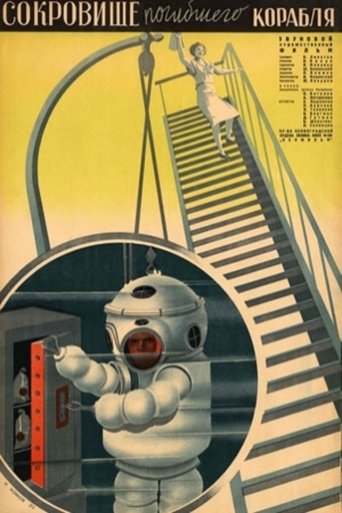
- Film debut in 'Treasure of the Wrecked Vessel' (1935)
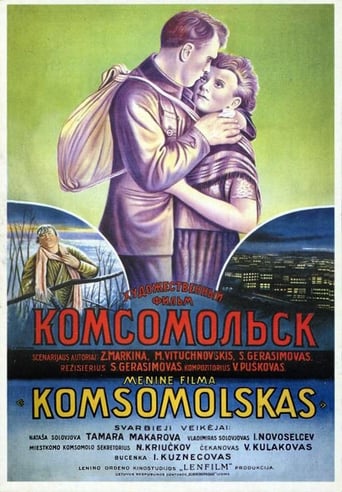
- Role in the socialist realist epic 'Komsomolsk' (1938)
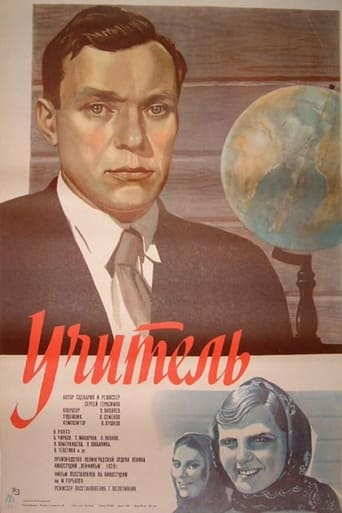
- Performance in 'The New Teacher' (1939)
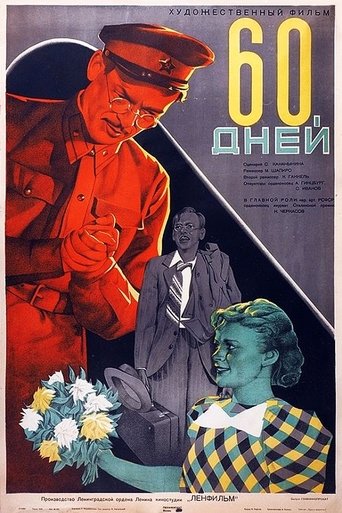
- Final film appearance in '60 Days' (1943)
Best Known For
Iconic Roles
Must-See Films
Working Relationships
Worked Often With
Studios
Why They Matter
Impact on Culture
Evgenia Golynchik's work contributed to the Soviet cinema project of creating a new socialist culture through film. Her performances in films like 'Komsomolsk' helped establish the visual and behavioral archetypes of Soviet citizens that would influence generations of viewers. While not a major star, her roles in significant productions of the era made her part of the cultural machinery that shaped Soviet identity and values during a critical period of Soviet history. Her film work serves as historical documentation of the aesthetic and ideological priorities of Soviet cinema during the 1930s and early 1940s.
Lasting Legacy
Golynchik's legacy exists primarily through her surviving film work, which provides valuable insight into the acting styles and cultural narratives of mid-20th century Soviet cinema. Her performances in films like 'Komsomolsk' are studied by film historians examining the implementation of socialist realism in Soviet filmmaking. As part of the ensemble casts that brought Soviet ideological narratives to life, she represents the thousands of working actors who formed the foundation of the Soviet film industry during its formative years. Her filmography, though brief, captures the transition from the experimental Soviet cinema of the 1920s to the more rigidly controlled productions of the Stalin era.
Who They Inspired
As a character actress rather than a leading star, Golynchik's direct influence on subsequent generations of actors appears limited. However, her work contributed to the establishment of acting conventions within the Soviet film industry that would persist for decades. The types of roles she portrayed - principled, dedicated women serving collective causes - helped create templates that would be replicated in Soviet cinema throughout the Cold War era. Her performances exemplify the integration of theatrical techniques with cinematic realism that characterized Soviet acting methodology.
Off Screen
Very limited information is available about Evgenia Golynchik's personal life, which was common for many Soviet-era character actors who maintained private lives away from public scrutiny. As a working actress during the Stalin period, she would have been subject to the strict professional and personal demands placed on Soviet cultural workers. Her active years covered a challenging period in Soviet history, including the Great Purge of the late 1930s and the German invasion during World War II.
Did You Know?
- Appeared in films during
- Her film 'Komsomolsk' was directed by renowned Soviet filmmaker Sergei Gerasimov
- The New Teacher (1939) was released during the peak of Stalin's purges, a dangerous time for artists
- Her final film '60 Days' (1943) was produced during World War II, when Soviet cinema focused heavily on war themes
- Like many Soviet actors of her generation, her career was relatively short and ended during the war years
- Her films represent key examples of socialist realism in Soviet cinema
- The span of her career (1935-1943) covers the period from before the Great Purge through the height of World War II
Frequently Asked Questions
Who was Evgenia Golynchik?
Screen credits include several notable Soviet films including 'Komsomolsk' and 'The New Teacher.' She worked during the height of the socialist realism period in Soviet cinema.
What films is Evgenia Golynchik best known for?
Titles linked here include Komsomolsk (1938), The New Teacher (1939).
When was Evgenia Golynchik born and when did she die?
Specific birth and death dates for Evgenia Golynchik are not readily available in historical records, though she was active as an actress between 1935 and 1943 during the Soviet period.
What awards did Evgenia Golynchik win?
No documented awards or nominations for Evgenia Golynchik are available in existing film archives, which was not uncommon for character actors in Soviet cinema of that era.
What was Evgenia Golynchik's acting style?
Golynchik's acting style embodied socialist realism principles, featuring clear, expressive performances that emphasized moral clarity and ideological conviction. She typically portrayed strong, determined women representing Soviet ideals.
What was the historical context of Evgenia Golynchik's career?
Her active years covered a tumultuous period in Soviet history, from before the Great Purge through World War II. This was when Soviet cinema was strictly controlled and served as a tool for ideological education.
How does Evgenia Golynchik's work reflect Soviet cinema of her era?
Her films exemplify socialist realism, focusing on collective achievement, revolutionary spirit, and the ideal Soviet citizen. Her performances helped establish the behavioral and visual archetypes that defined Soviet cultural identity.